
Kimi Antonelli is not stopping. The Italian won the 2026 Japanese GP and took the lead in the overall standings for the first time in his career. Drivers from three teams competed for podium positions, and the start and the timing of the neutralization had a major impact on the results.
Read more Analysis of qualifying before the 2026 Japanese GP

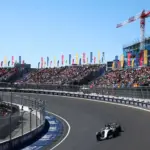
The race at the Suzuka circuit took place in ideal weather conditions. The air temperature slightly exceeded 20 degrees and the track temperature was 30 degrees Celsius. The race started 10 minutes late due to barrier repairs after a very serious accident in a local Porsche series race (the car somersaulted in the air and hit the barrier).
For the first time this year, a full grid of drivers lined up. We had a long neutralization period at mid-distance due to Bearman’s big crash (more on that in the rest of the text).
2026 Japanese GP race results
| Pos. | Driver | Team | Time | Points |
| 1. | Kimi Antonelli | Mercedes | 1:28:03.403 | 25 |
| 2. | Oscar Piastri | McLaren | +13.722s | 18 |
| 3. | Charles Leclerc | Ferrari | +15.270s | 15 |
| 4. | George Russell | Mercedes | +15.754s | 12 |
| 5. | Lando Norris | McLaren | +23.479s | 10 |
| 6. | Lewis Hamilton | Ferrari | +25.037s | 8 |
| 7. | Pierre Gasly | Alpine | +32.340s | 6 |
| 8. | Max Verstappen | Red Bull | +32.677s | 4 |
| 9. | Liam Lawson | Racing Bulls | +50.180s | 2 |
| 10. | Esteban Ocon | Haas | +51.216s | 1 |
| 11. | Nico Hulkenberg | Audi | +52.280s | 0 |
| 12. | Isack Hadjar | Red Bull | +56.154s | 0 |
| 13. | Gabriel Bortoleto | Audi | +59.078s | 0 |
| 14. | Arvid Lindblad | Racing Bulls | +59.848s | 0 |
| 15. | Carlos Sainz | Williams | +65.008s | 0 |
| 16. | Franco Colapinto | Alpine | +65.773s | 0 |
| 17. | Sergio Perez | Cadillac | +92.453s | 0 |
| 18. | Fernando Alonso | Aston Martin | +1 lap | 0 |
| 19. | Valtteri Bottas | Cadillac | +1 lap | 0 |
| 20. | Alexander Albon | Williams | +2 laps | 0 |
| NC | Lance Stroll | Aston Martin | DNF | 0 |
| NC | Oliver Bearman | Haas | DNF | 0 |
Duel between Mercedes, McLaren, and Ferrari drivers for podium places
The race in Japan was a duel between three teams, with one driver from each standing on the podium. Mercedes has about a 0.5-second advantage in race pace over its rivals, but only in clean air. When its drivers follow rivals, on a track like Suzuka where overtaking is difficult, they have great trouble attacking effectively. This was already seen this season in Australia and China, but there (especially in China) overtaking is easy, so they effectively and quickly made up positions. The course of the race at Suzuka shows that Mercedes can be beaten this year; there will be tracks where overtaking opportunities are even worse than Suzuka.
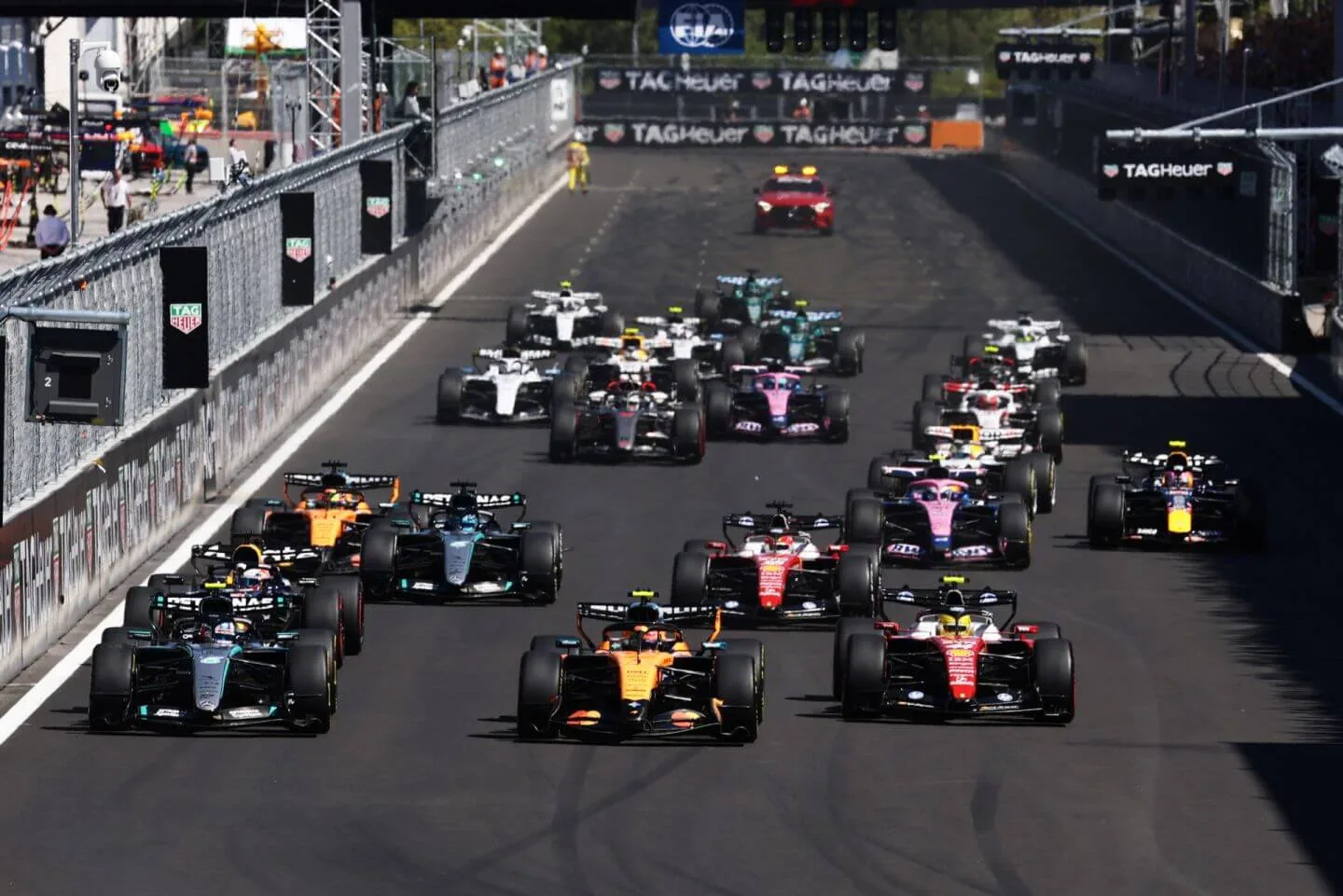
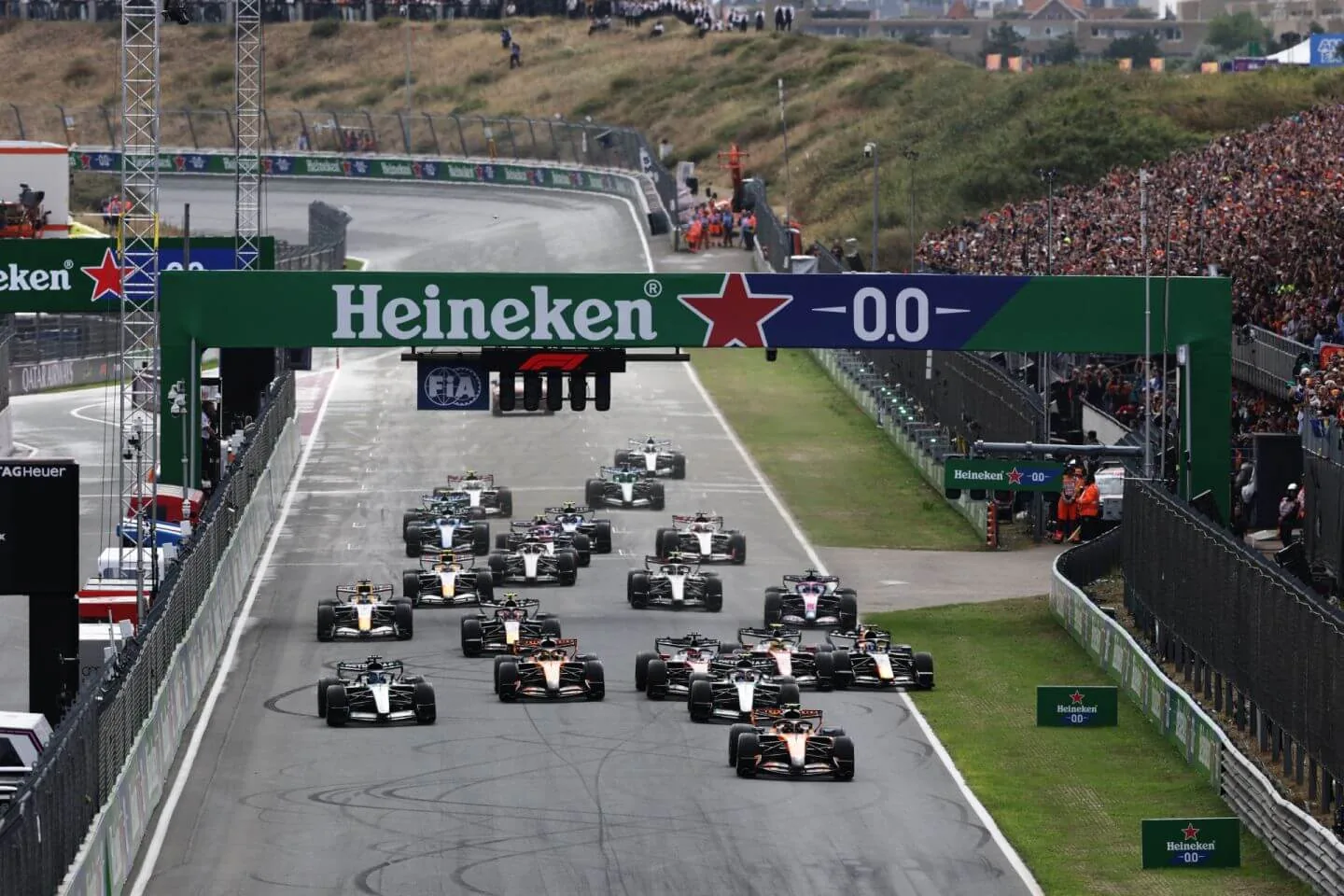
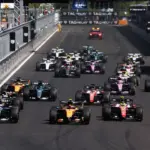
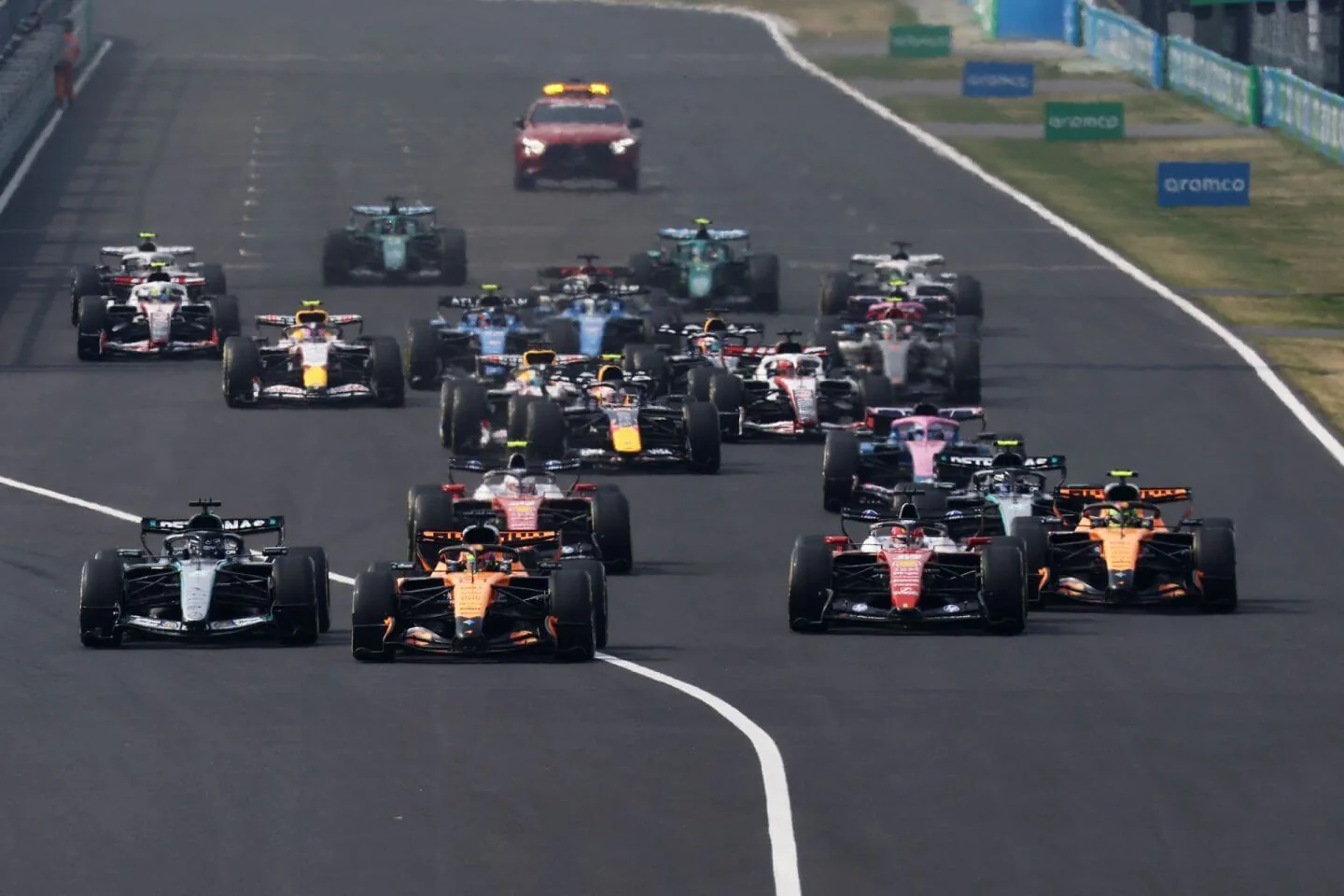
At the start, Mercedes drivers traditionally suffered significant losses. Antonelli dropped from pole position to sixth, and Russell from second to fourth. Ferrari and McLaren drivers gained. In the first phase of the race, Piastri led, recording a very competitive pace. Once Russell dealt with Norris and Leclerc, he was unable to catch Piastri to attack him. Antonelli only broke through to fourth place and got stuck behind Leclerc.
The McLaren drivers and Leclerc made their pit stops quite early and had good pace on new tires. Their strategy at that point seemed spot on, especially Piastri securing his lead. The Mercedes cars and Hamilton stayed on track a bit longer, wanting to extend their stints. However, it was quickly apparent that they were losing time to rivals on new tires. Therefore, Russell pitted only three laps after Piastri. When the Briton came out of the pit lane, Bearman crashed and a neutralization occurred. Antonelli and Hamilton benefited greatly from this, performing pit stops during the neutralization, saving about 10 seconds. Thanks to this, Antonelli moved into the lead (he was fourth before the pit stops), and Hamilton came out in fourth place (he was previously sixth). This was the key moment of the race.
Kimi Antonelli defended without any problems after the restart. He had the best pace in the entire field; over a distance of 20 laps, he gained about 13 seconds on Piastri, and in the end, he just managed his lead. The Italian was very lucky with the neutralization. He botched the start and it looked like he was in for a tough fight for the lowest step of the podium. Thanks to the SC, he won confidently and with a large lead. In the process, he became the youngest championship leader in F1 history.
Oscar Piastri had a real chance of winning. In the first phase of the race, he drove at such a good pace that Russell was unable to catch him. He had pitted earlier, so he would have had a few seconds’ lead over Russell, who didn’t drive perfectly in Japan. In my opinion, the McLaren driver lost a real chance of winning because of the SC. This shows that McLaren has indeed improved, and the reason is better utilization of the power unit. In favorable circumstances (like the first phase of the Japanese GP), they are able to fight Mercedes.
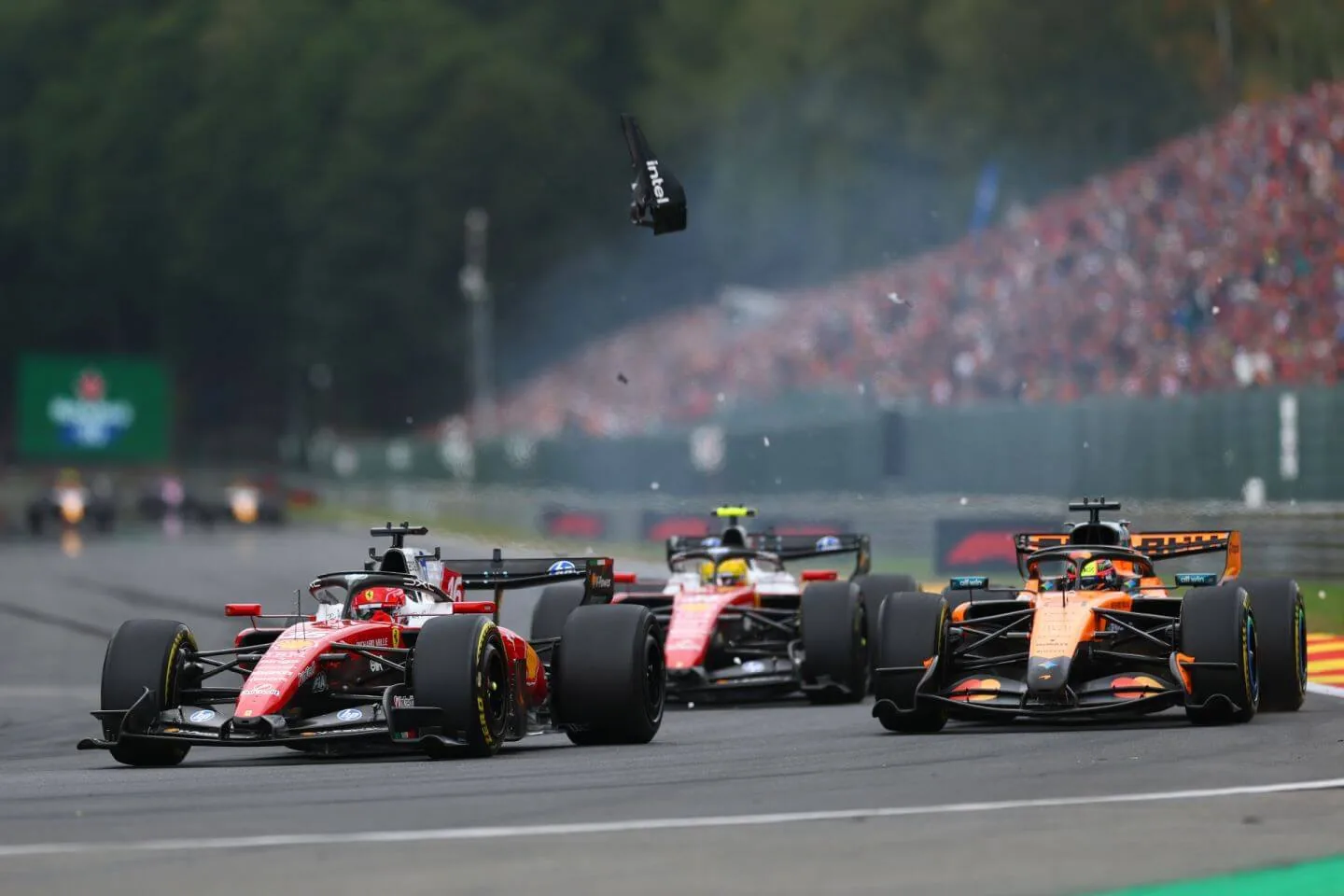
Third place after a very good drive and many duels was won by Charles Leclerc. The Monegasque fought Russell for a long time and also had a duel with Hamilton. In the end, he used electrical energy very wisely to defend against Russell. Ferrari seems to be the car that handles direct duels best.
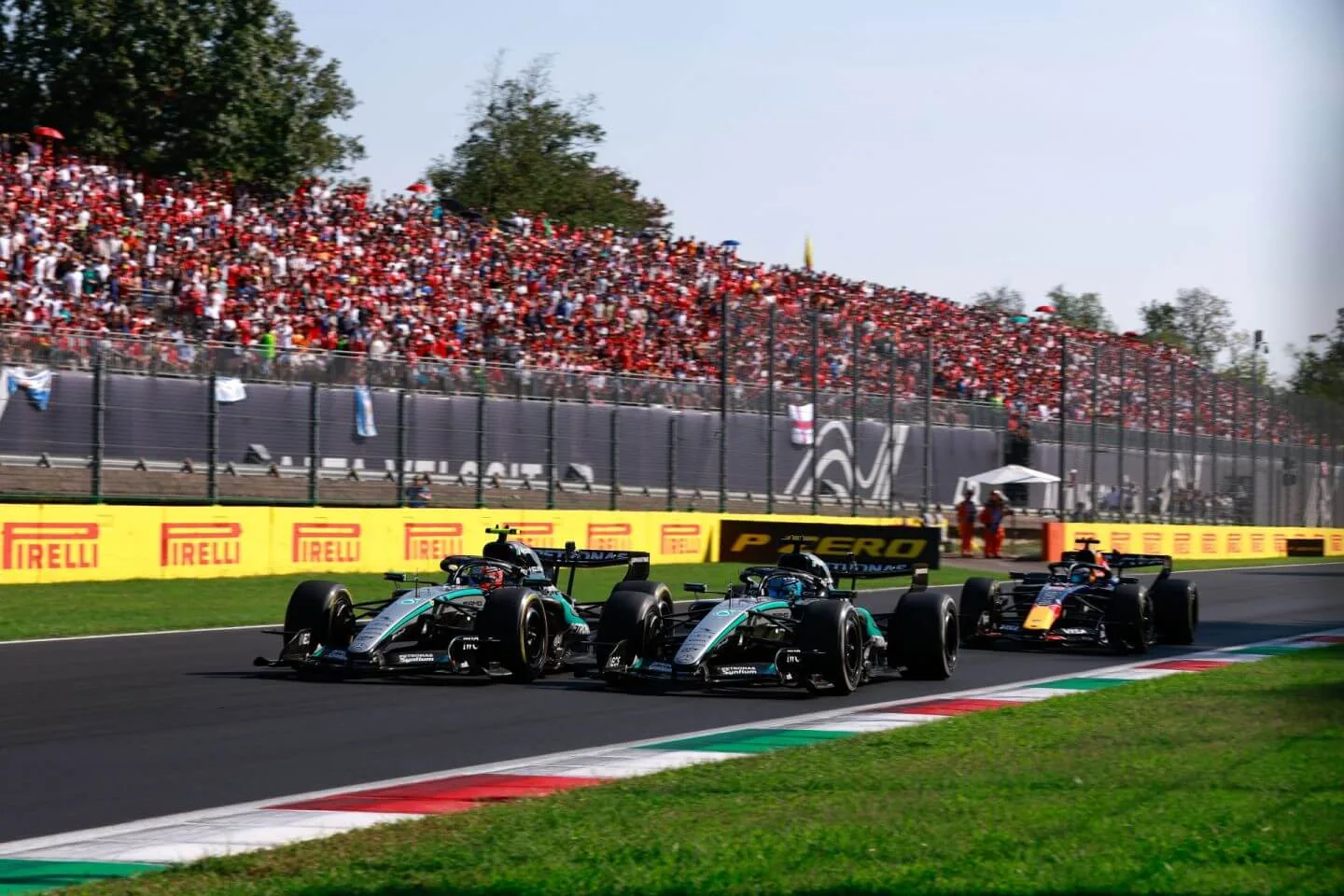
George Russell was only fourth; he was unlucky with the timing of the neutralization, and at the restart, he let Hamilton overtake him. These were two key situations for his performance. Russell spent almost the entire race driving close behind rivals, losing a lot of time as a result. Before qualifying, Russell made a setup change that affected his form. This shows that the gaps at the front are small and any such mistake will be costly. Russell’s duel with Leclerc in the race showed us that with a worse engine (Leclerc), it is possible to effectively keep a faster rival behind on such a track if energy is used at the right moments.
Fifth place went to Lando Norris, who had a rather “quiet performance”. He wasn’t as fast as the drivers ahead of him. He lost one place due to the SC, but regained it at the end by attacking Hamilton. Norris had technical problems in every practice session; the whole weekend was unsuccessful for him.
Read more A handful of F1 Circus statistics after the 2026 Chinese GP
Lewis Hamilton was the weakest among the leaders, complaining about engine power problems. He gained two positions thanks to the SC, then defended against Russell for a long time, but ultimately lagged behind his rivals and was unable to “bite back”.
In my opinion, based on the first three weekends of this season, the situation in F1 looks as follows: Mercedes has a large advantage in race pace, but only in clean air. McLaren has understood the engine much better and is almost at the level of the factory team in that area, but they have a worse car and lose out on that. Ferrari, on the other hand, probably has the best car on the grid, and all their losses result from a worse engine.
Discussion of other significant driver and team results in the 2026 Japanese GP
It’s been a long time since we had a race where the director practically showed nothing that happened below sixth place. One could feel that only six drivers were participating in the race. I am convinced that some teams were shown in the broadcast for only a few seconds. Interestingly, this time the advantage of the three top teams was not huge. Seventh-placed Gasly lost only seven seconds to Hamilton.
For almost the entire race, Pierre Gasly and Max Verstappen drove close to each other, fighting for seventh position. There were several duels between them, but Gasly led almost the entire time, bringing seventh place to the finish line. The Frenchman confirmed Alpine’s improved form. Verstappen, on the other hand, was only eighth, far from what he is used to. At