








Formula 1 evokes associations with immense speed, emotions, big money, and media interest. That is true, but this sport also has another, more technical side. The race result is not determined solely by the driver’s talent. The design of the car, suspension setup, aerodynamics, tire selection, team strategy, and mechanics’ work also play a significant role. Sometimes even a small change can affect the driving pace, tire wear, or braking efficiency. That is why Formula 1 interests not only race fans but also people who are passionate about motoring on a daily basis.
Read more A handful of F1 Circus statistics after the 2026 Canadian GP
Technology that decides the outcome
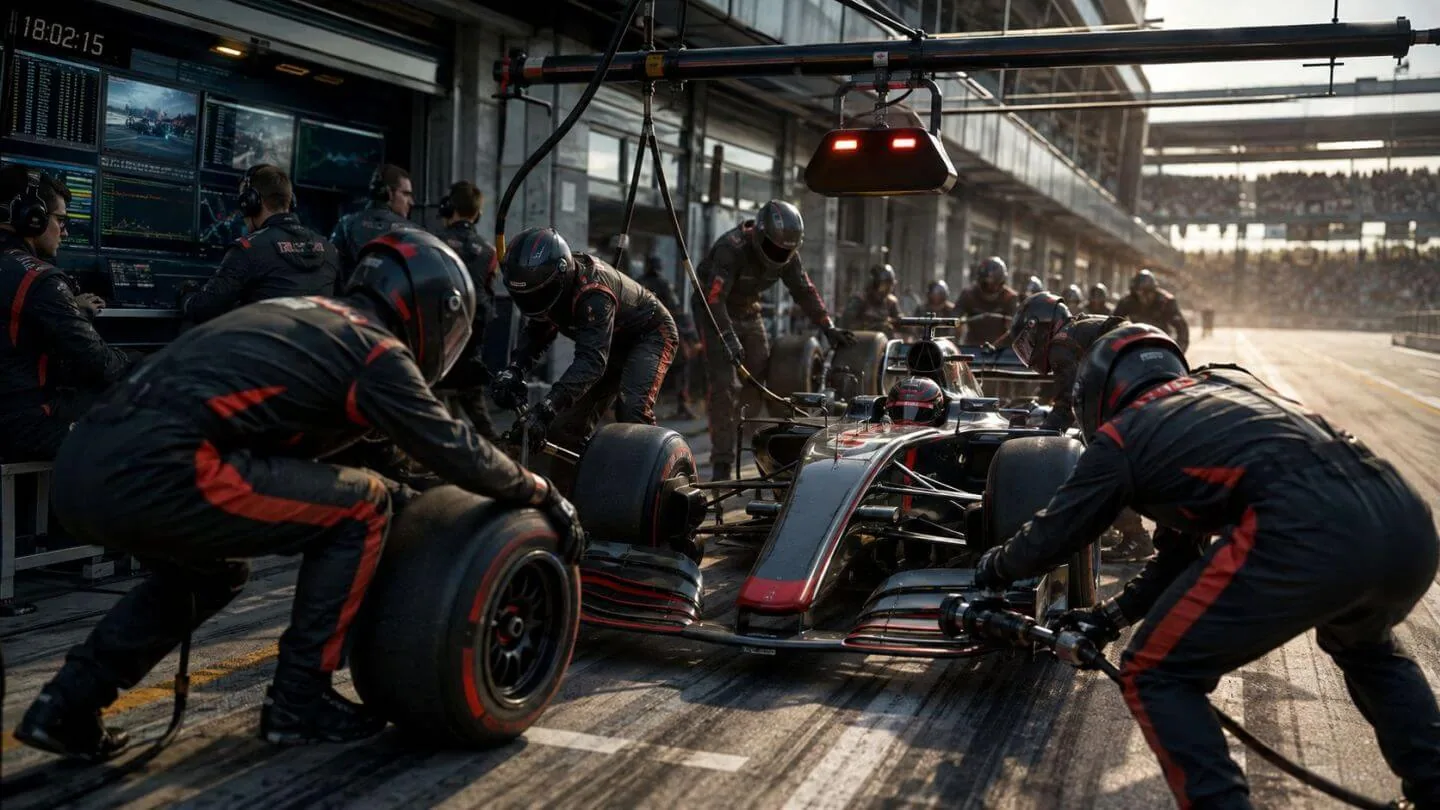
A good example is pit stops. For the viewer, they last only a moment, but behind the tire changes that take just a few seconds lie hundreds of hours of practice. The best teams can change four wheels in about two seconds. Each mechanic then has a precisely defined task, and the smallest mistake can cost the driver several positions. In Formula 1, a wheel is therefore not just an ordinary car part. It is an element of the entire system that must work well with the suspension, brakes, and car setup.
The issue of car geometry looks similar. In motorsport, wheel alignment directly affects grip, stability in corners, and tire wear. Engineers analyze, among other things, camber angles, toe, and wheelbase. Sometimes a slight adjustment is enough to improve lap time or make it easier for the driver to control the car. In regular cars, drivers rarely think about such details, but the principle remains similar. The way a vehicle handles is influenced by well-chosen rims, appropriate wheel spacers, or properly adjusted suspension.
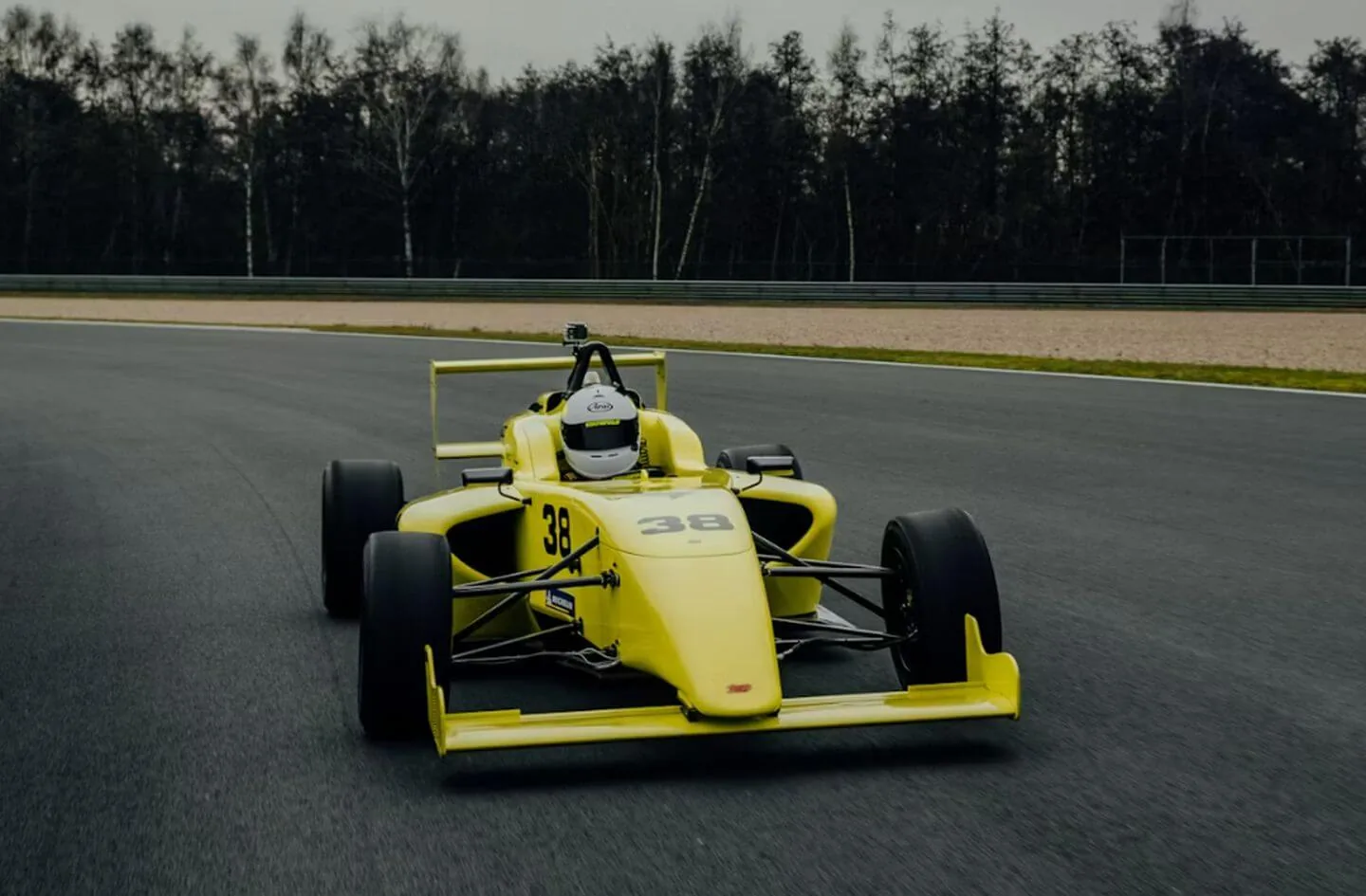
In the early years of Formula 1, whose world championships began in 1950, the skills of the drivers were of paramount importance. The first champion was Giuseppe Farina from the Alfa Romeo team. The design of cars at that time was completely different from today’s cars. The engine was located at the front, the tires were much narrower, and driver protection was basically minimal.
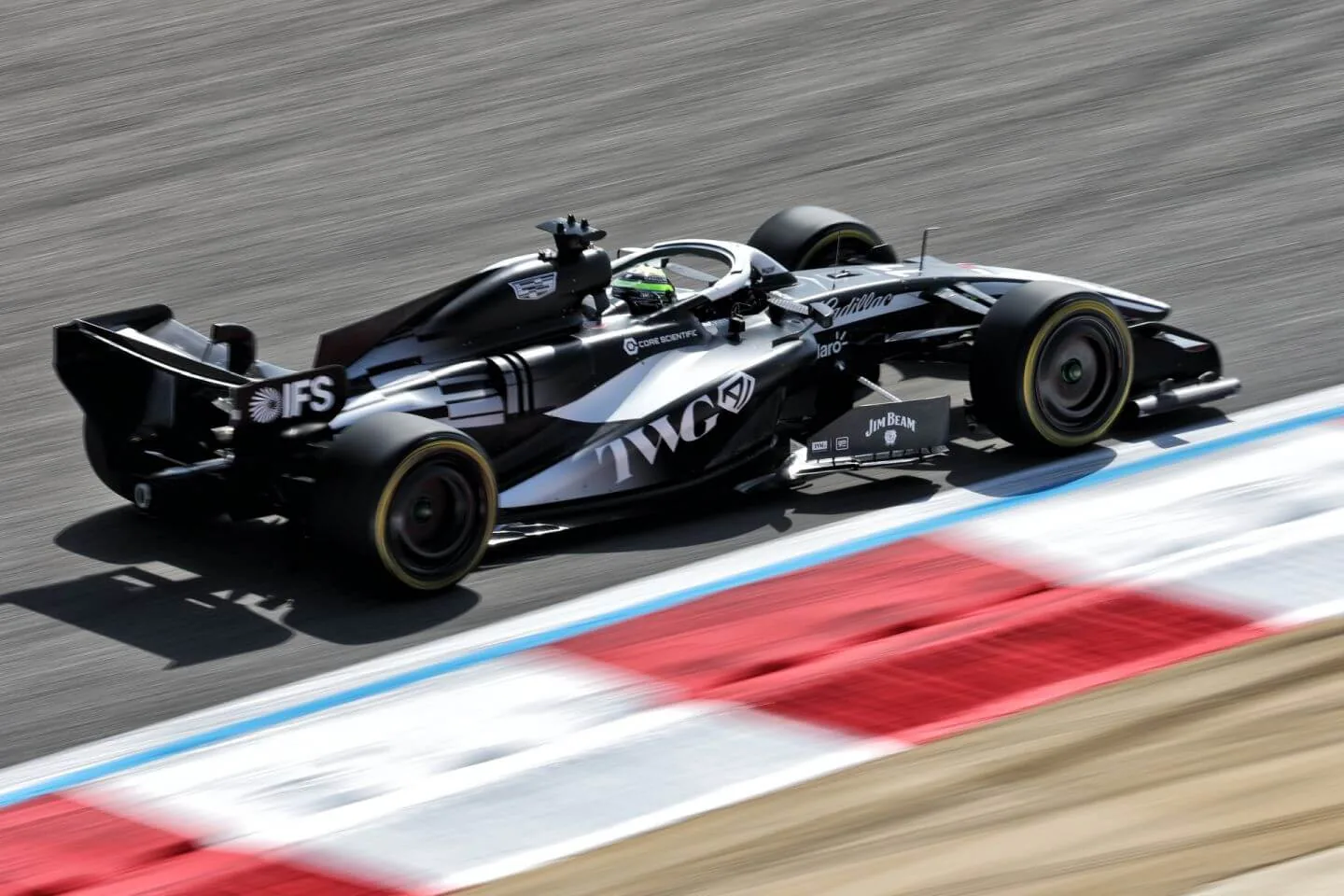
Today, Formula 1 cars are mainly made of carbon fiber, have advanced hybrid systems, and are designed with a strong emphasis on aerodynamics. A safety element is also the Halo system (a shield over the cockpit). It was first used in 2018 and although it initially sparked much debate, later accidents showed that it significantly increases driver protection.
Tires, energy, and data
In Formula 1, it is not only speed that counts. Engineers must design cars to be light, fast, and as efficient as possible. Since 2014, teams have used 1.6-liter turbocharged V6 engines supported by energy recovery systems. Energy is recovered, among other things, during braking and from exhaust heat.
Thanks to this, the modern car can drive very fast while using fuel more efficiently than older designs. This is important because regulations have increasingly limited fuel consumption for years. Formula 1 is still not an environmentally friendly sport in the common sense, but the development of hybrid drives has become one of its most important directions.
Read more Antonelli won a very exciting race at the 2026 Canadian GP
Tires also play a big role in races. Pirelli supplies compounds of different hardness, and teams must choose when to put on softer or harder tires. The soft compound provides better grip but wears out faster. The hard one allows longer driving but often means a slower pace. That is why a one-stop strategy can win a race but can also ruin it if the track temperature drops, a safety car appears, or the driver gets stuck in traffic.
Work with data also deserves attention. During the race weekend, the team collects a huge amount of information from sensors placed in the car. It measures brake temperatures, tire pressure, engine speed, fuel consumption, pedal force, and hundreds of other parameters. Engineers see on screens whether the car is losing time in a slow corner or has too much drag on the straight. The driver describes his feelings over the radio, but only the combination of these words with numbers gives a full picture of the situation.
That is why practice before qualifying is so important. It is not only for learning the track. It is time to test settings, compare tire compounds, and check pace on short and long runs. The team can sacrifice one lap to better prepare the car for the entire race. Sometimes a decision made on Friday determines the result on Sunday.
Aerodynamics and driver psychology
One cannot forget about aerodynamics. An F1 car not only cuts through the air but also actively uses it. The front and rear wings, floor, and diffuser create downforce that presses the car onto the asphalt. Thanks to this, the driver can take a corner at a speed that would be impossible for a regular car. At the same time, too much downforce increases drag on the straights. Engineers must therefore find a compromise. Different settings work in Monaco, where slow corners and grip matter, and others at Monza, where top speed is important.
For the fan, the most beautiful thing is that behind every battle on the track lies a huge number of invisible decisions. A successful overtake can be the result of better downforce, warmer tires, stronger energy recovery, or simply the driver’s courage. Formula 1 teaches that in motorsport there are no small things. Every detail can change the result, and it is this mix of speed, knowledge, and risk that has attracted millions of fans for decades. That is why even a person who does not know all the rules can follow the competition like a dynamic story.
Read more Analysis of qualifications before the 2026 Canadian GP
Sponsored content.