





The question of how much an F1 car costs returns every season, and the answer is never simple. It’s not a price stuck on a window – behind the figure of 20–120 million dollars lies the sum of thousands of precisely manufactured components, hundreds of hours of simulations, and the work of engineers from all over the world. Before we delve into specific amounts, it’s worth understanding what the price of an F1 car actually is and what it includes.
Read more A handful of F1 Circus statistics after the Belgian GP 2026
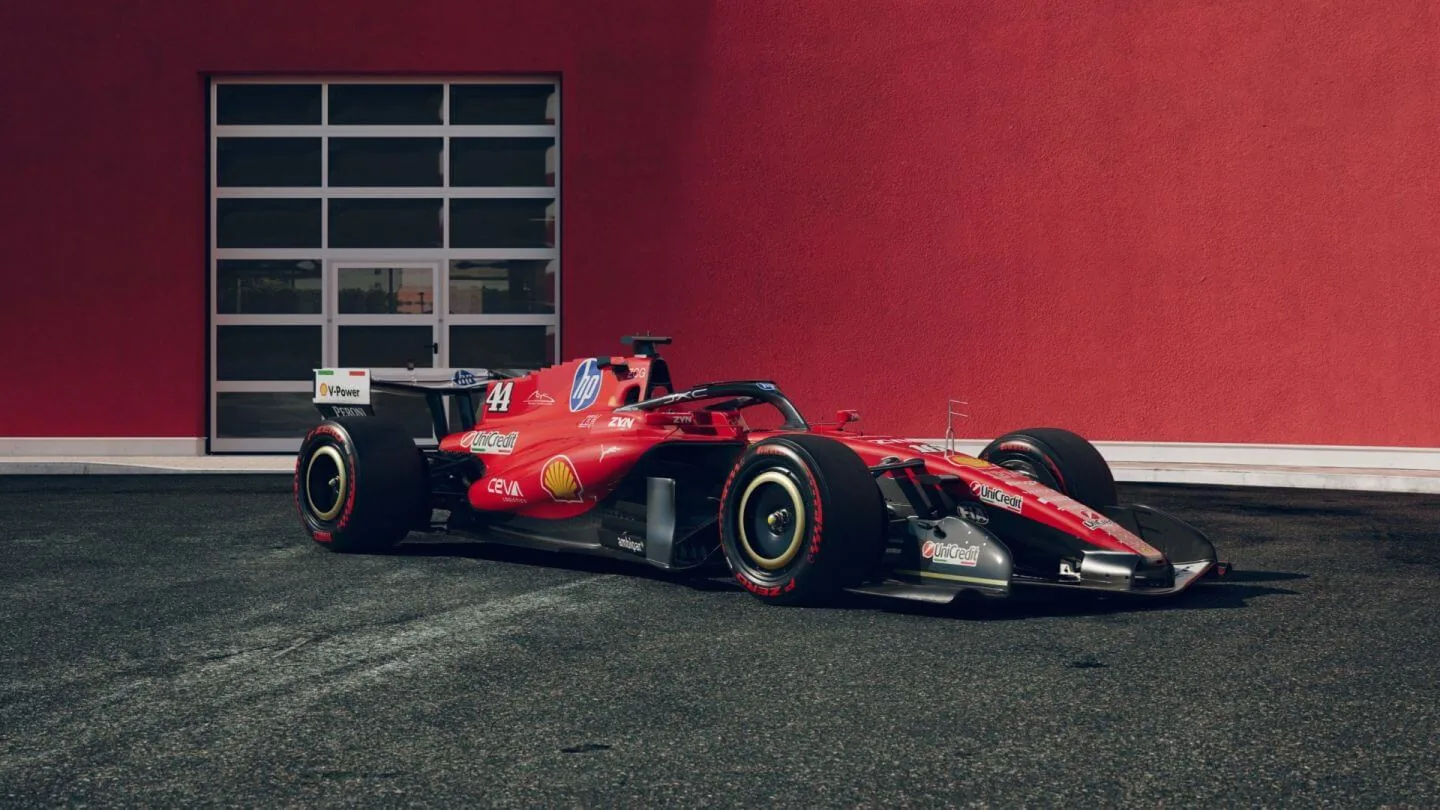
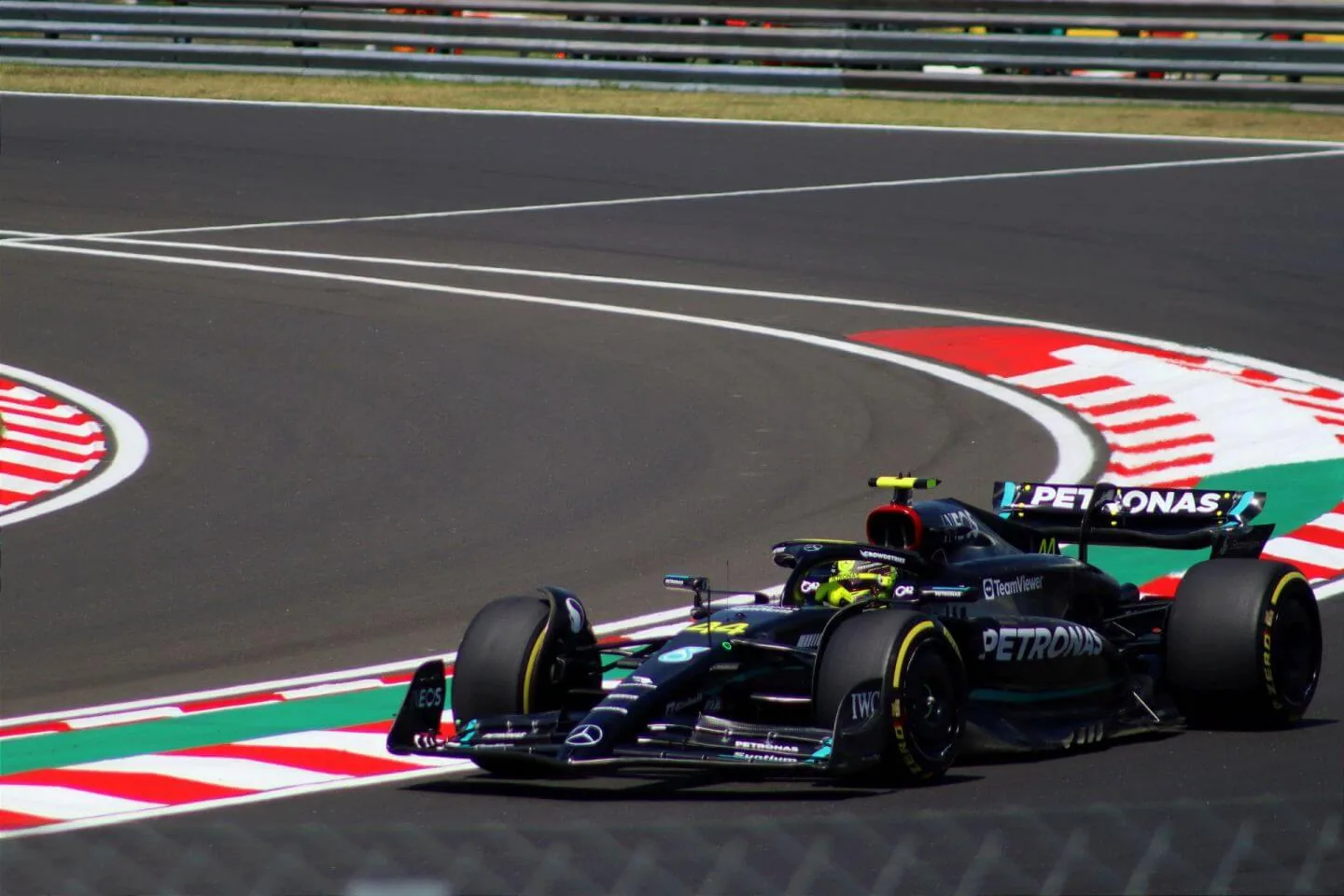
How much does an F1 car cost – in simplified terms, one complete Formula 1 car costs around 10–20 million dollars if we only count the physical components. The annual budget allocated for the construction and development of the vehicle, limited by a budget cap since 2021, was 145 million dollars for the entire season. Before its introduction, the biggest teams spent over 400 million annually.
Parts That Cost a Fortune
The cost of an F1 car is primarily the engine. The hybrid V6 power unit with turbocharging and an energy recovery system (ERS) is valued at 10.5–18.3 million dollars per season. It accounts for up to 90% of the entire vehicle’s value.
Other key elements:
| Component | Estimated cost |
| V6 Engine + ERS | $10.5–18.3 mln |
| Carbon fiber chassis | $700k – $2 mln |
| Gearbox (8 gears) | ~$354k |
| Suspension | $300–500k |
| Steering wheel (20+ buttons) | $50–100k |
| Front and rear wings | ~$200k |
| Set of Pirelli tires | $1,500–2,000 |
The carbon fiber chassis weighs only 35 kilograms, yet it withstands enormous aerodynamic loads. The steering wheel contains over 20 buttons controlling engine mapping, brake balance, and the ERS system – it’s not a gadget, it’s a full-fledged onboard computer.
Sponsors and Funding – Who Pays for the F1 Car?
An F1 team’s budget does not come solely from the owners’ pockets. Sponsorship is a fundamental element of funding for every team – without title and technical partners, no team would keep an F1 car on track for an entire season.
In recent seasons, the funding structure of F1 teams has been significantly changed by brands from the iGaming and cryptocurrency sectors, which are increasingly becoming title partners of teams – Stake in the Sauber team is an example. This industry integrates its logos into global motorsport to reach an active, digital audience accustomed to instant decisions. In the realm of modern online entertainment, efficiency standards are set by payment processing speed, which is why specialized information portals classify the fastest paying casinos based on real tests of transaction gateways and available payment methods, allowing brands to precisely position themselves in their niches. This pragmatic standard of evaluation is close to the approach of F1 sponsors themselves, who measure every advertising expenditure in hard data and conversion rates.
The 2026 season attracted further partners from the fintech sector, confirming that Formula 1 remains one of the most attractive global advertising platforms.
Budget Cap – A Revolution Since 2021
How much does Formula 1 cost as a whole? Before 2021, Mercedes spent approximately 484 million dollars in one season, Ferrari – 463 million, Red Bull – 445 million. After the introduction of the budget cap, teams had to radically reduce employment and costs. In 2026, along with the new technical regulations, the FIA officially raised the limit to 215 million dollars – the previous limit was 135 million and was in effect from 2023–2025. The increase is due to inflation and changes in how expenses are calculated.
Read more What do F1 drivers do after retiring?
What is included in the cap:
- all car components,
- parts manufacturing,
- salaries of engineers and mechanics,
- wind tunnel tests,
- research and development.
What remains outside the cap: driver salaries, salaries of the three highest-paid employees, engine costs (separate limit), transport and logistics, and marketing and legal expenses.
Overview of Cars and Engines in the 2026 Season
| Team | Car Model | Power Unit |
| Red Bull Racing | RB22 | Red Bull Ford DM01 |
| Ferrari | SF-26 | Ferrari 067/6 |
| Mercedes-AMG | F1 W17 | Mercedes M17 E |
| McLaren | MCL40 | Mercedes M17 E |
| Aston Martin | AMR26 | Honda RA626H |
| Alpine | A526 | Mercedes M17 E |
| Haas | VF-26 | Ferrari 067/6 |
| Williams | FW48 | Mercedes M17 E |
| Audi | R26 | Audi AFR 26 Hybrid |
| Cadillac | MAC-26 | Ferrari 067/6 |
| Racing Bulls | VCARB 03 | Red Bull Ford DM01 |
Revolut and Modern Payments in the World of F1
F1 has attracted the attention of global financial and technological brands for years. Modern payment methods – fast, mobile, and without unnecessary bureaucracy – are gaining popularity among both fans and race participants.
Revolut, as one of the leading neobanks, is increasingly analyzed by iGaming portals for its usefulness in transactions on entertainment platforms. Payment comparison sites publish detailed materials on how Revolut casinos operate in the context of the operator market, what limits apply, and under what conditions transactions are carried out. This is a purely analytical approach – without evaluating or promoting gambling – which allows users to consciously navigate the iGaming market offering.
The presence of such brands in the F1 sponsorship ecosystem is a sign that the line between sport, technology, and digital finance is blurring faster than ever.
Summary
The price of an F1 car is a sum that cannot be confined to a single number. The chassis, gearbox, and aerodynamics alone amount to several million. Add the engine – and you exceed 15 million dollars. And that’s still only part of the annual budget, which, considering all technical facilities, logistics, and research, reaches hundreds of millions. Formula 1 is a sport where engineering precision meets financial precision – and neither side can afford to make a mistake.
Partner material.
GAMBLING INVOLVES RISK, AND PARTICIPATION IN ILLEGAL GAMES IS PUNISHABLE. ALLOWED FOR PERSONS OVER 18 YEARS OF AGE.
Read more Antonelli returned to winning at the 2026 Belgian GP