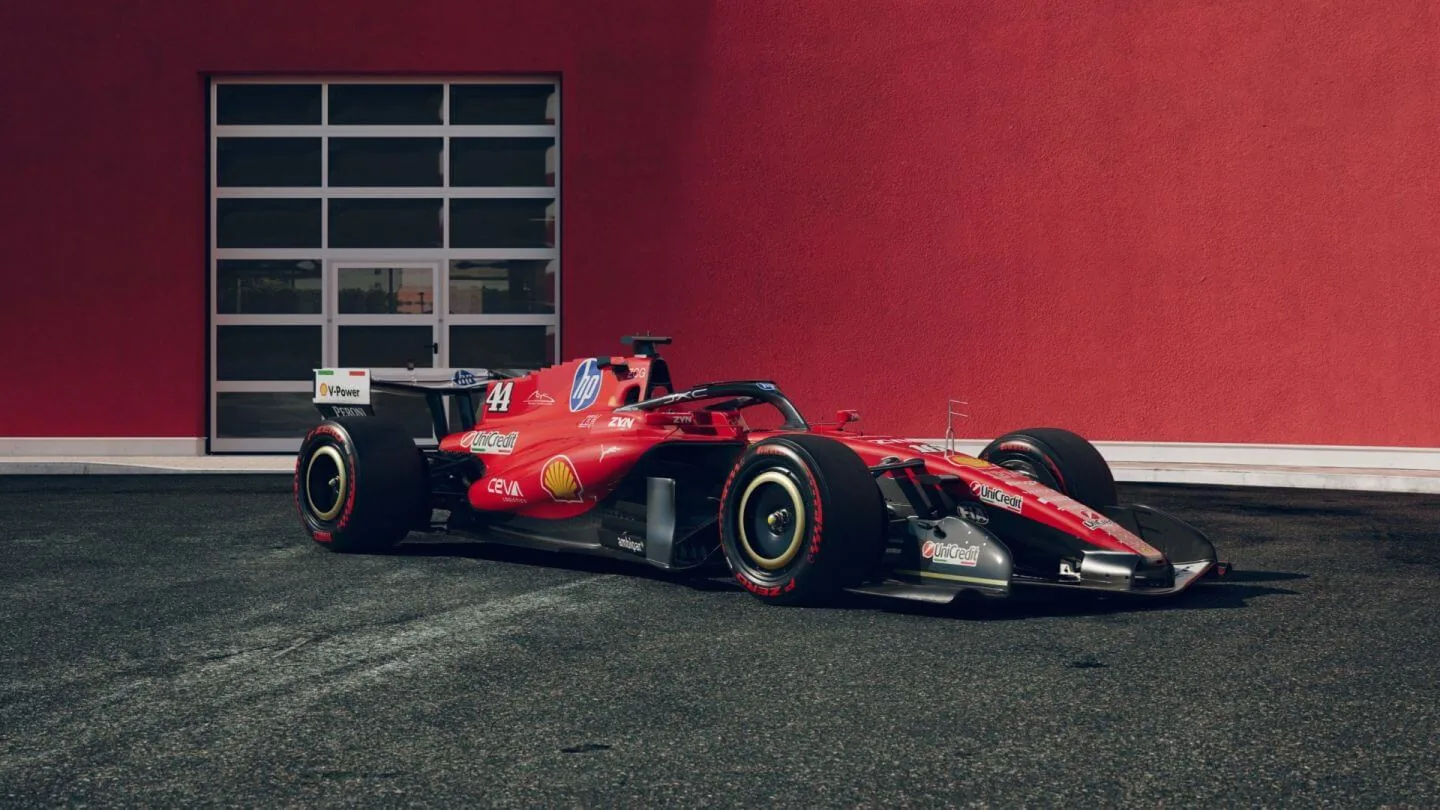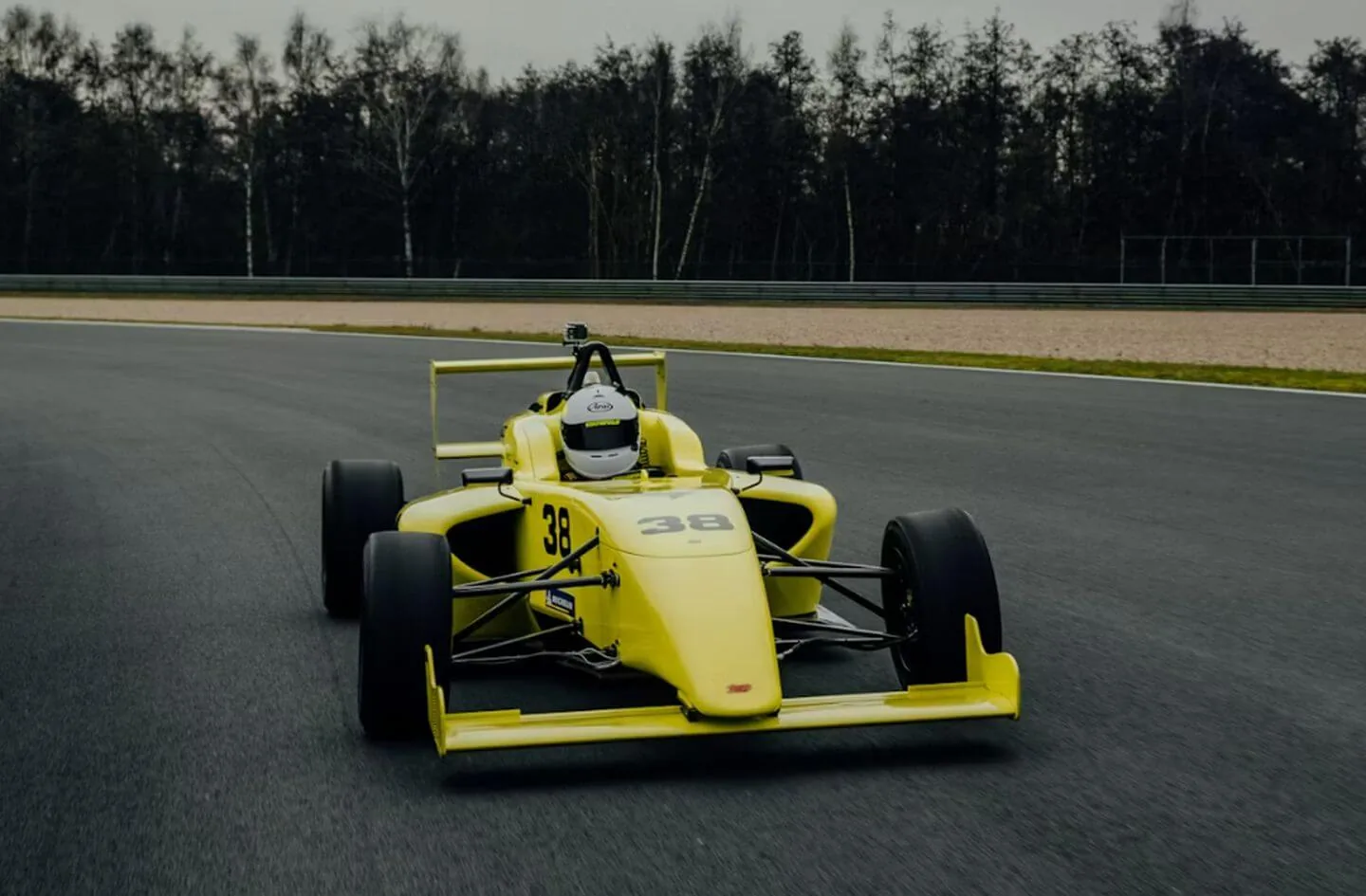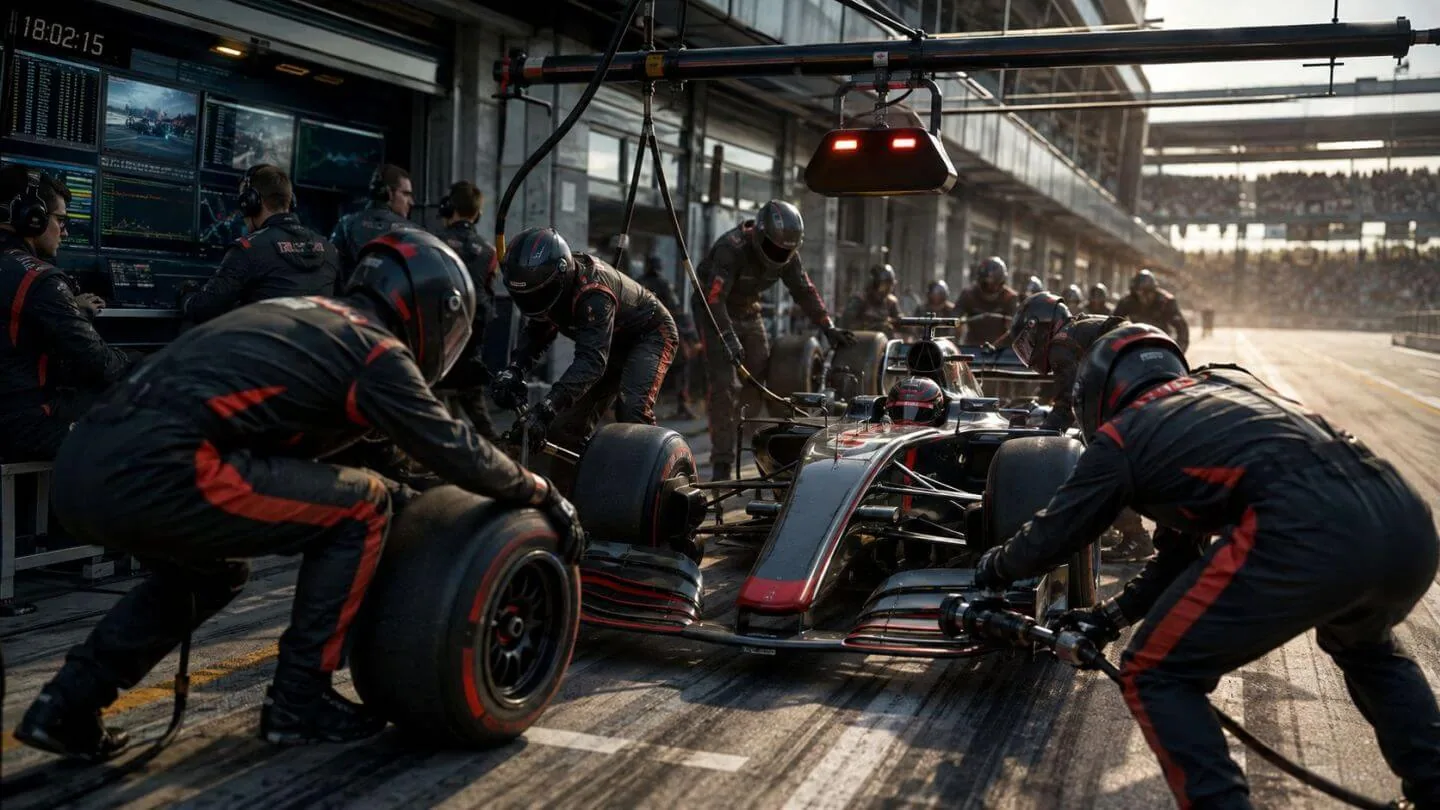

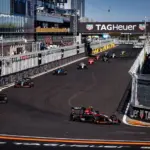
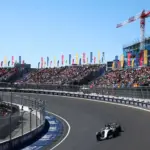
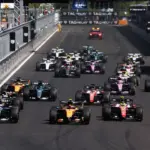
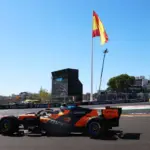

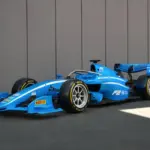
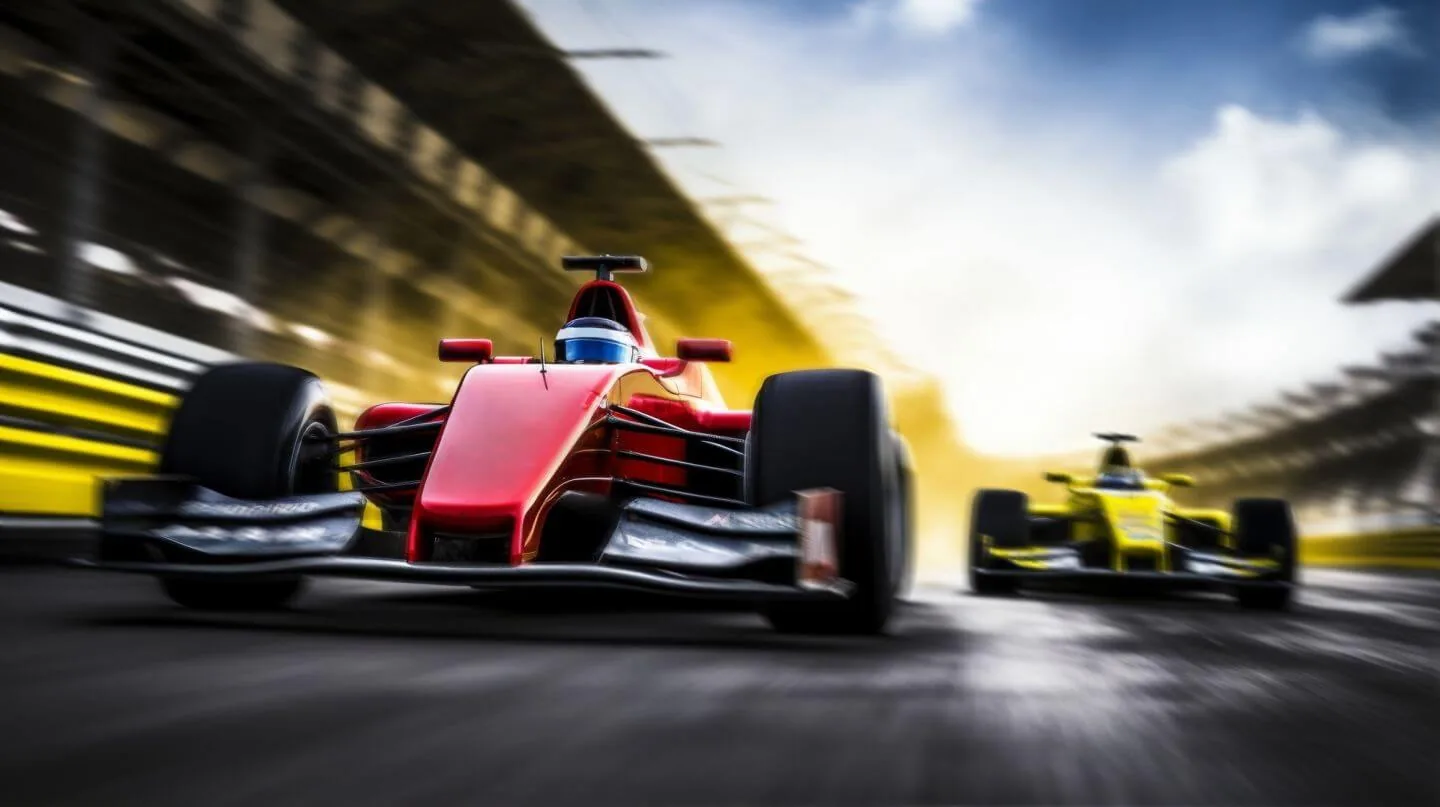
The 2026 season opens a new era of motorsport, changing the approach to car design. The most important design difference is the abandonment of the drag reduction system on straight sections. Drivers will have to get used to completely different machine behavior, where every decision resembles a casino bet. In terms of dynamics, it resembles games of risk, where each subsequent move increases the advantage. Play Chicken Road to feel a similar principle: the further the round develops, the higher the reward. On the track, the abandonment of classic DRS will force drivers to consider risk just as carefully before an attack. Such a paradigm shift could restore the art of uncompromising battle for position.
Read more F1 odds: faster than official announcements
Synchronized operation of the front and rear wings in Z-Mode and X-Mode
The reduction in car size caused a loss of downforce in long corners. The Federation compensated for this shortage by introducing movable aerodynamic elements at the front and rear of the car. Both wings act as a single system and simultaneously change the angle of attack. The maximum downforce mode is called Z-Mode and is activated before braking.
The flap planes rise to ensure balance and reliable tire grip. The driver can then aggressively attack the curbs and maintain high speed in the curve of the corner. After exiting onto the straight, the driver activates the minimum drag configuration, X-Mode, with a switch. The wing planes open, allowing for maximum speed.
The new concept requires immense concentration from every driver. A mistake when changing the configuration means a serious loss of lap time. Understanding the new physics of car behavior is based on several key features of this complex system:
- The wings change the angle of attack only simultaneously to maintain chassis balance;
- Opening only the rear plane would lead to a dangerous loss of grip;
- The driver is solely responsible for switching aerodynamic profiles on the steering wheel.
Such tight software linking of the planes eliminates the risk of sudden aerodynamic imbalance at high speeds. As a result, drivers have at their disposal an extremely responsive but demanding technique that requires precise control. This forces competitors to memorize the manual mode switching points for each specific track even more accurately.
Why reducing air resistance destroyed the classic slipstream
Historically, successful overtakes relied on using the slipstream behind a rival. The chasing driver would enter the low-pressure zone and gain an advantage. The active aerodynamics of shorter chassis completely disrupt this fundamental principle of track combat. When the leader activates the minimum drag configuration, the car stops cutting through dense air.
The aerodynamic wake behind a modern car becomes narrow, irregular, and very unstable. The attacking driver no longer has a foothold to prepare an overtaking maneuver. As a result, easy attacks at the end of straights cease to exist. The chasing car hits a wall of air and loses its accumulated momentum.
Teams will have to constantly look for creative ways to create a speed difference. Simple maneuvers will give way to complex combinations requiring perfect timing. Hope now shifts to completely different technological tools of the new regulations.
Manual Override function: tactical use of 350 kW of electric power
Problems with chasing a rival forced the introduction of a new support mechanism for overtaking. Hybrid units generate exactly half of the energy through the electric part. The sport’s authorities have developed a manual power limit override system that gives a temporary advantage. After exceeding a speed of two hundred and ninety kilometers per hour, energy delivery is limited.
Read more F1 odds: faster than official announcements
If a driver is behind a rival, they receive the opportunity to use an additional boost. The electronics provide a maximum of three hundred and fifty kilowatts of power until the end of the straight. This approach turns every overtaking maneuver into strategic battery management. The attacking driver must accumulate an appropriate energy reserve before the decisive move.
The defending driver must also show cleverness in protecting their position. The leader should manage energy wisely to respond at the crucial moment. Effective use of electric acceleration on the track includes several essential elements:
- Carefully planned kinetic energy recuperation in slow sectors of the track;
- Perfect timing for activating the additional power boost;
- The ability of the defending driver to save part of the energy for a counterattack.
Intellectual duels: how the spectacle of racing will change
The abandonment of simple rear wing opening forces teams to change their engineering approach. Intelligent management of the hybrid power unit comes to the fore. Drivers must plan their actions even several laps in advance to prepare an effective attack. Fans will see a tense battle where strategy plays a key role.
Easy overtakes of defenseless rivals in the middle of the straight are becoming a thing of the past. Viewers will more often see late braking and bold attempts to cross the opponent’s racing line. To better understand strategies, fans should pay attention to the indicators in the television broadcast. The battery energy level will allow for earlier prediction of upcoming attack moments.
The audience will have to get used to a new way of presenting information from the track. Without additional graphics, assessing the drivers’ chances will become much more difficult. The most important changes in the perception of the race weekend will include:
- Greater focus of broadcast producers on detailed energy consumption graphics;
- More frequent wheel-to-wheel duels in narrow corners;
- Greater chances for intelligently defending drivers to maintain their position.
The new regulations make motorsport fairer and restore the value of pure driver skill. In the refreshed championship, drivers with an analytical approach to racing will win regularly. Fans can expect an extremely intriguing season full of unpredictable results and tactical surprises.
Partner material.
GAMBLING IS ASSOCIATED WITH RISK, AND PARTICIPATION IN ILLEGAL GAMES IS PUNISHABLE. ALLOWED FOR PERSONS OVER 18 YEARS OF AGE.
Read more Russell fastest in sprint qualifying in China in 2026