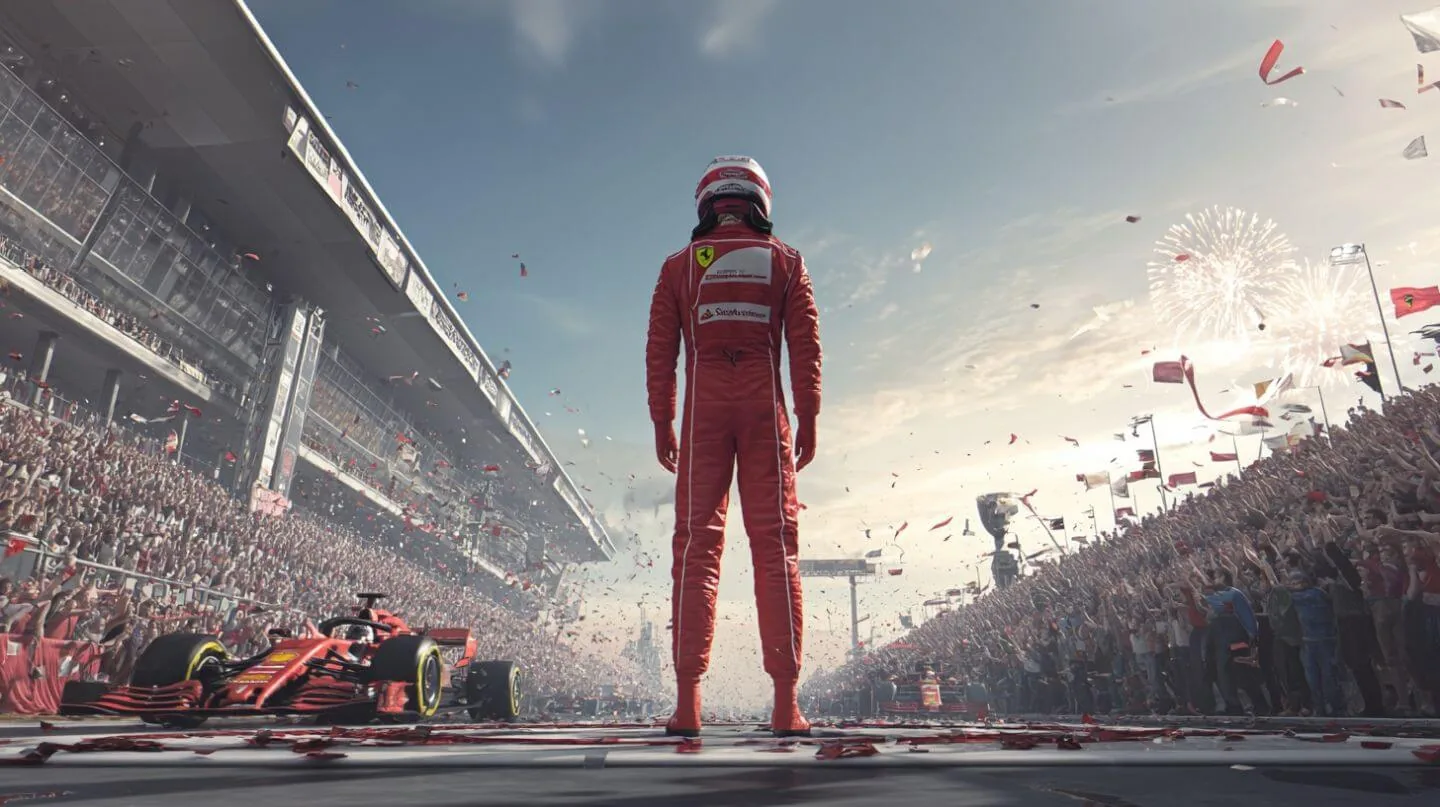



Formula 1 has long ceased to be solely a duel between drivers. It is a complex strategic game in which hundreds of sensors provide real-time data, and engineers make decisions within seconds. The timing of a pit stop, the choice of tire compound, the reaction to a neutralization – each of these decisions can determine the outcome of the race. F1 Fantasy allows fans to see if they can think like a paddock strategist – and that is exactly what attracts thousands of participants to the game.
Read more Selection of the most beautiful and interesting F1 car in 2026
How strategy really works in F1
F1 teams work with massive amounts of data. Race simulations are run even before hitting the track, and during the Grand Prix itself, engineers update forecasts in real-time based on rivals’ pace, tire degradation, and weather conditions. Historical data from a given track provides a reference point, but every weekend is different.
Nevertheless, the result is never fully predictable. A collision in the first corner, a leader’s car failure, an unexpected change in asphalt temperature – each of these factors can turn a strategy upside down in a matter of seconds. It is precisely this unpredictability that ensures F1 remains a sport, not an optimization exercise.
F1 Fantasy – thinking like an engineer, access like a fan
In F1 Fantasy, we also manage a budget and build a lineup. We analyze team form, track technical updates, and compare qualifying pace with race pace. The mechanics are similar to what strategists do in the paddock – with one key difference: as players, we only have access to public information.
The lack of insight into internal telemetry data, pit stop plans, or the actual state of the engine means that decisions in F1 Fantasy are made based on external observations. It’s a bit like judging a chess game without being able to see the clock — some information always remains hidden. And that is exactly what makes the game challenging and engaging at the same time.
Can the result be predicted?
Partially, yes. Analyzing trends and historical data allows for assessing the probability of a podium on a specific track, the stability of a driver’s form over several races, and a team’s strategic effectiveness in various conditions. Players who consistently analyze this data achieve better medium-term results than those who act purely impulsively.
But motorsport always retains a margin of uncertainty. The best F1 Fantasy players don’t look for a certain result – they look for an advantage based on better analysis at the same level of risk. This thinking is closer to investing than gambling: it’s not about winning one weekend, but about consistently making better decisions throughout the season.
Read more 2026 Formula 2 season preview
Data, risk, and regulations – a common denominator
Formula 1 is one of the most regulated sports in the world. Technical regulations define literally every element of the car, budget limits set the framework for team development, and regulation changes can completely reshuffle the field between seasons. Regulations do not limit competition – they define it and protect its integrity.
A similar mechanism exists in other industries based on analysis and risk. An example is the regulations regarding new casinos in Poland, which define the framework for operators’ functioning and protect users. Just like in F1 – clear rules of the game do not stifle the market, but build trust in the entire system. In both cases, players and fans can focus on strategy because they know the rules are predictable and enforced.
Strategy is discipline, not intuition
The best F1 Fantasy players act systematically. They keep their own records, compare average paces from long runs, track aerodynamic package updates, and analyze engineer interviews after sessions. It is work that takes time — and it distinguishes players who regularly score points from those who rely on luck.
Intuition also has its place – especially when available data is incomplete or contradictory. But intuition based on experience and prior analysis is something completely different from an impulsive decision made a minute before the transfer window closes.
Summary
F1 Fantasy and real team strategies share a common foundation: data analysis reduces risk but does not eliminate it. The winner is the one who consistently makes better decisions — not the one who got lucky with a single result. This approach works both in the paddock and in the fantasy standings. And the uncertainty of the result, which frustrates strategists, is exactly what makes following Formula 1 week after week still worthwhile.
Partner material.
GAMBLING INVOLVES RISK, AND PARTICIPATION IN ILLEGAL GAMES IS PUNISHABLE. ALLOWED FOR PERSONS OVER 18 YEARS OF AGE.
Read more 2026 Formula 2 season preview