
What changes in race strategy await us in F1?
How race strategies in Formula 1 will change from the 2026 season
Formula 1 is undoubtedly one of those places where we see the biggest technological and team management changes. Every year new regulations and solutions are introduced that affect the races.
Read more Formula 1 – how the most important motorsport series works
In our article, we would like to analyze the impact of the 2026 regulations on tire management, energy usage, overtaking, safety car decisions, and the relative value of qualifying.
The biggest changes in years
It cannot be denied that the 2026 season is associated in the paddock with the biggest regulatory and technological changes in years.
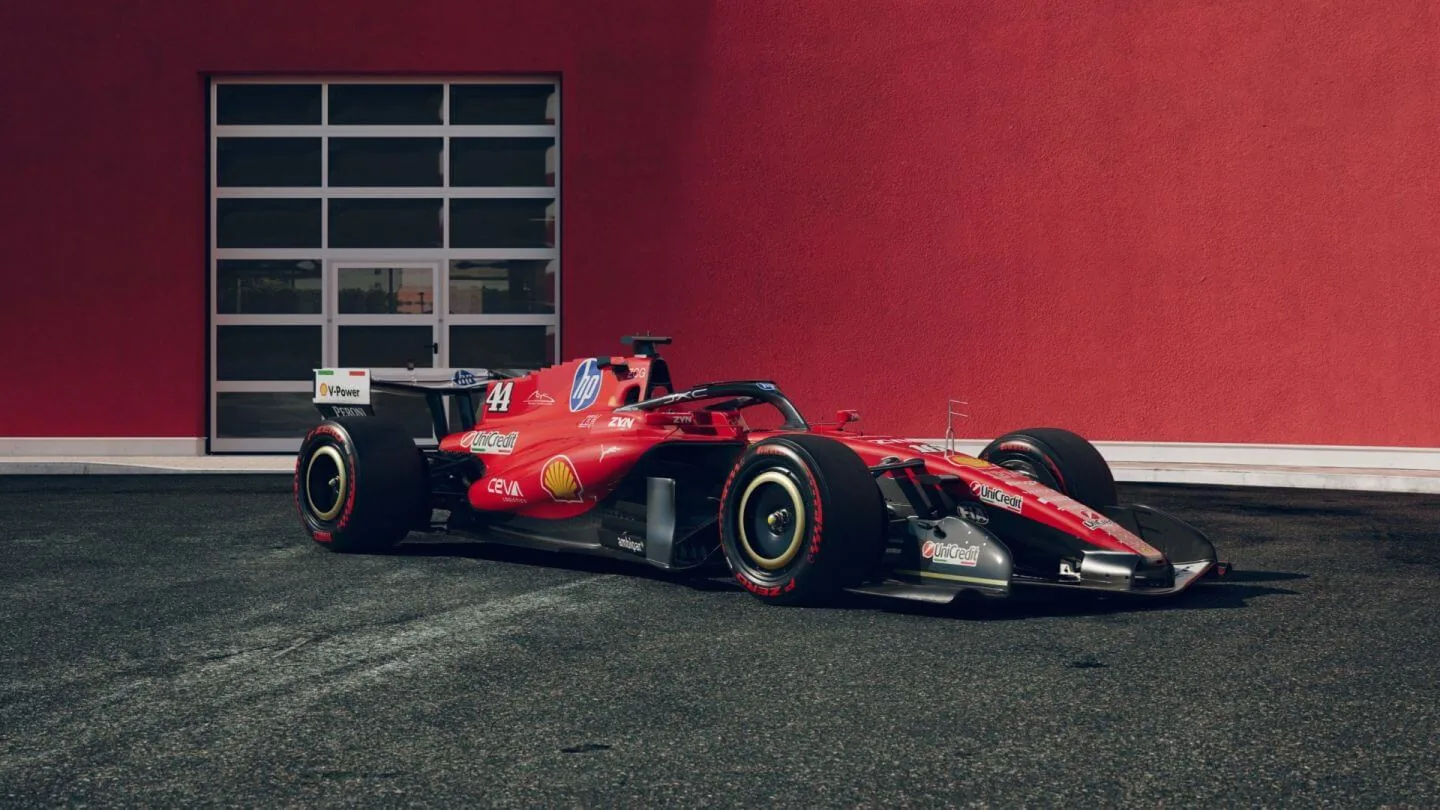
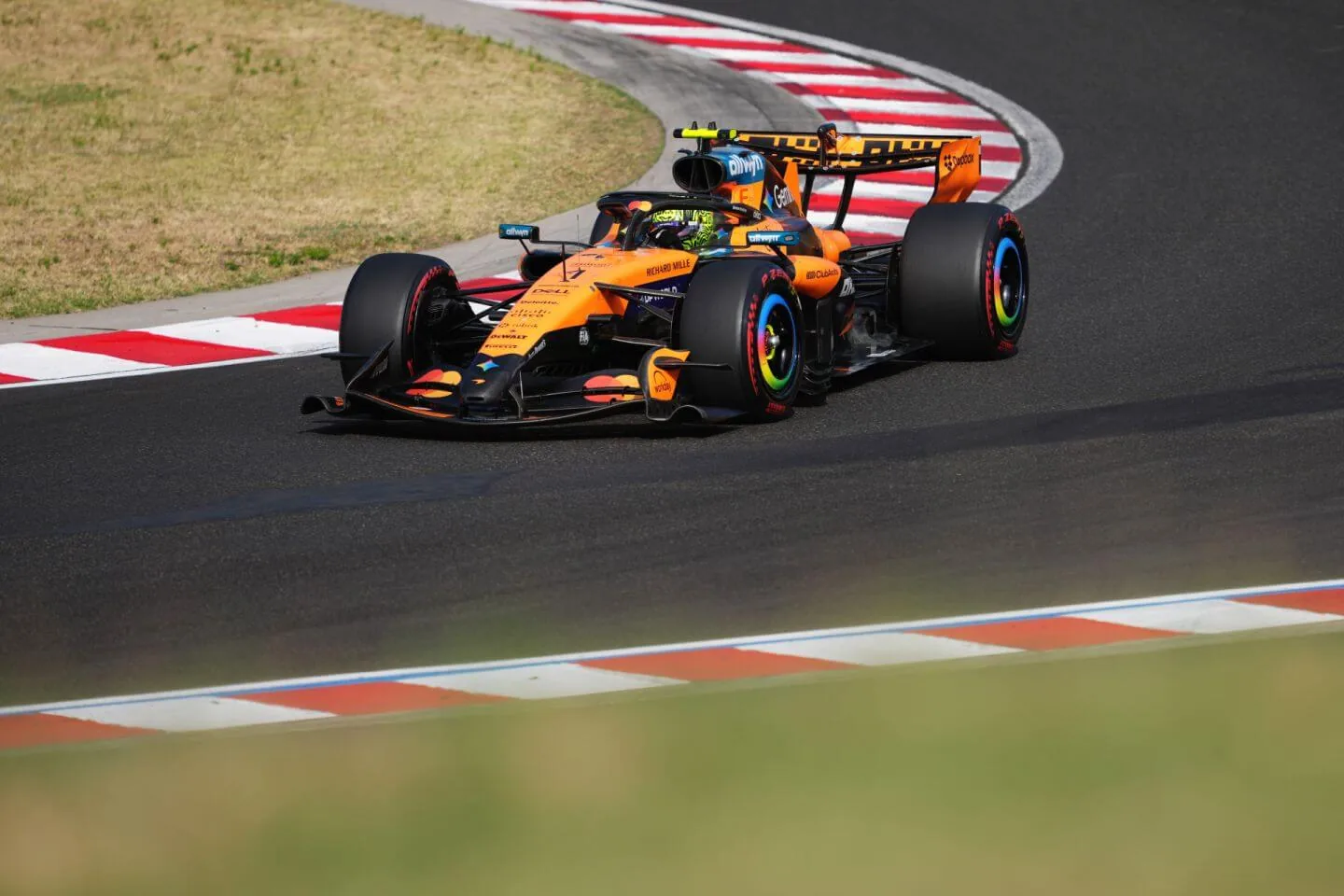
First of all, the new cars are lighter and smaller, feature active aerodynamics, and the power units use much more electric energy. In practice, this means that the previous race strategies will no longer be based primarily on classic tire management, pace, and DRS.
And importantly, during the ongoing season, the FIA has already introduced some corrections related to energy management, such as limiting the maximum boost level.
And they are not the only ones taking such steps.
The world of sports is changing on many levels, even when it comes to more entertainment and gambling forms of online activity. For example, changes are being introduced in online casino licenses, such as YEP, whose detailed review can be found on the https://gry-hazardowe-zadarmo.com/yep/ site by GHZD. More attention is being paid to the issue of minors’ access to games.
Formula 1 is not lagging behind, so changing strategy is just one of the steps in this direction.
Energy usage
Certainly, it is electric energy that is the cause of the revolution in the world of F1, where teams must skillfully use the available power as well as its storage during individual laps.
The power split has visibly changed, with electric energy currently accounting for about 350 kW of power, while the internal combustion engine power is slightly higher at 400 kW. Drivers and engineers must manage the power much better, which is then used during acceleration and overtaking.
Teams must look not only at lap times but also at the energy balance.
Continuous charging is already very important.
It so happens that practically all electric energy comes from recovery, regeneration during braking, or charging from the internal combustion engine. At appropriate moments, energy can be used and charged. This limits the possibility of driving at 100% all the time, where engineers and drivers must choose the best moments to overtake and plan energy consumption in cycles over many laps.
Different tire usage
In previous seasons, one of the key factors for developing team strategies was tires.
Pirelli supplies each team with 13 sets of tires for race weekends, so they must be properly allocated for practice, qualifying, and the race. Since previously the cars were bigger and heavier, such tires wore out much faster, making tires a very important element of strategy. Today, tires are smaller and lighter, which, combined with the lower vehicle weight, changes their degradation rate.
Read more How does a Formula 1 weekend work? From practice to race
Lower weight obviously means less tire load, but at the same time, a different aerodynamic characteristic has been introduced. All this also changes decisions regarding on-track events.
Today, one can notice an increased risk of overheating the rear axle when exiting slow corners. Meanwhile, the simplification of aerodynamics along with reduced downforce causes cars to more frequently experience so-called sliding in corners, which affects the thermal properties of the tires.
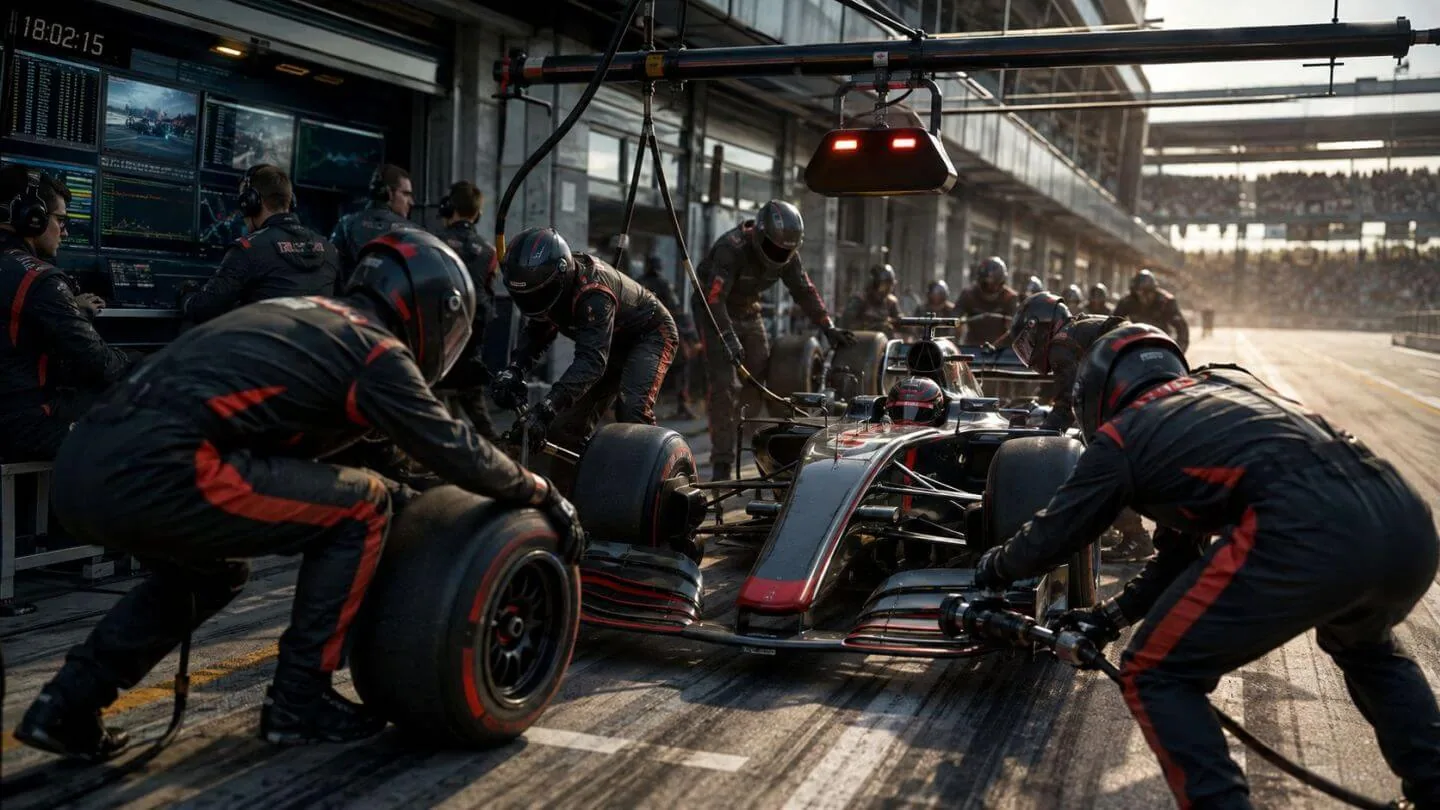
As a result, we can increasingly observe many teams increasing the number of pit stops, where last year the classic was usually just one stop, but today two or three pit stops are favored with greater use of soft compound tires.
The end of classic DRS
In previous seasons, one of the most characteristic things on the track was the DRS system, which allowed overtaking in the right place. Instead, active aerodynamics are already present.
This means that movable elements of the front and rear wings introduced to the car allow drivers to switch the vehicle between a special configuration providing more downforce or a low aerodynamic drag mode.
And importantly, unlike DRS, such active aerodynamics do not have to be activated only when the driver is one second behind the opponent.
Additionally, a so-called Manual Override has been introduced.
This mode means that a car following a rival during an attack or overtaking maneuver can receive an additional opportunity to use electric energy. Such a maneuver can also trigger an effect on the second driver, who is being overtaken but then performs the same maneuver or uses energy to defend, which can have both good and bad consequences.
Therefore, strategy is important – when and how to attack, what kind of defense to choose.
Additional changes
In terms of strategy, changes related to neutralizations, safety cars, and qualifying are equally important.
During neutralization or safety car deployment, fresh tires are much more significant, so many teams decide to change tires then.
On the other hand, gaining a better starting position is not necessarily such a big advantage, as a car following a rival automatically benefits from reduced turbulence in the aerodynamic wake, which makes it easier to follow the rival.
Partner content.
GAMBLING INVOLVES RISK, AND PARTICIPATION IN ILLEGAL GAMES IS PUNISHABLE. ALLOWED FOR PERSONS OVER 18 YEARS OF AGE.
Read more Max Verstappen stays at Red Bull until the end of 2030