
Discover the structure of the F1 weekend, the significance of practice sessions, qualifying, strategy, and pit stops, and find out what changes with the sprint format.
Read more Max Verstappen stays at Red Bull until the end of 2030
Behind the scenes of the Formula 1 weekend: what happens before the Grand Prix start?
The Formula 1 weekend is much more than just the Sunday race. Before the drivers line up on the starting grid, teams analyze data, check car settings, and prepare strategies. Each session on the track has a specific purpose, and even a slight change in conditions can affect the decisions made by engineers.
For fans, several days of competition primarily mean more excitement and the opportunity to observe how the balance of power between teams changes. For the crews working in the paddock, it is an intense process of testing, analyzing, and reacting to events on the track.
From the first laps to the fight for Pole Position
The start of the weekend is mainly for gathering information. Drivers check the car’s behavior, tire performance, and aerodynamic settings. The data collected during driving is then analyzed by engineers, who compare the pace of both drivers and look for ways to improve performance.
In the world of sports entertainment, there are also digital platforms offering additional forms of excitement. One example is casino, where users can find a variety of games and formats available online. However, the Formula 1 competition itself remains primarily a combination of technology, driver skills, and the work of entire teams.
Qualifying has a completely different character. Here, it’s all about one fast lap, and the differences between drivers can be minimal. The right moment to go out on the track, tire temperature, and traffic intensity can decide the starting position.
For the driver, finding the right rhythm is also important. Starting a fast lap too early can mean worse track conditions, while going out too late increases the risk of encountering other cars.
What really determines the car’s pace?
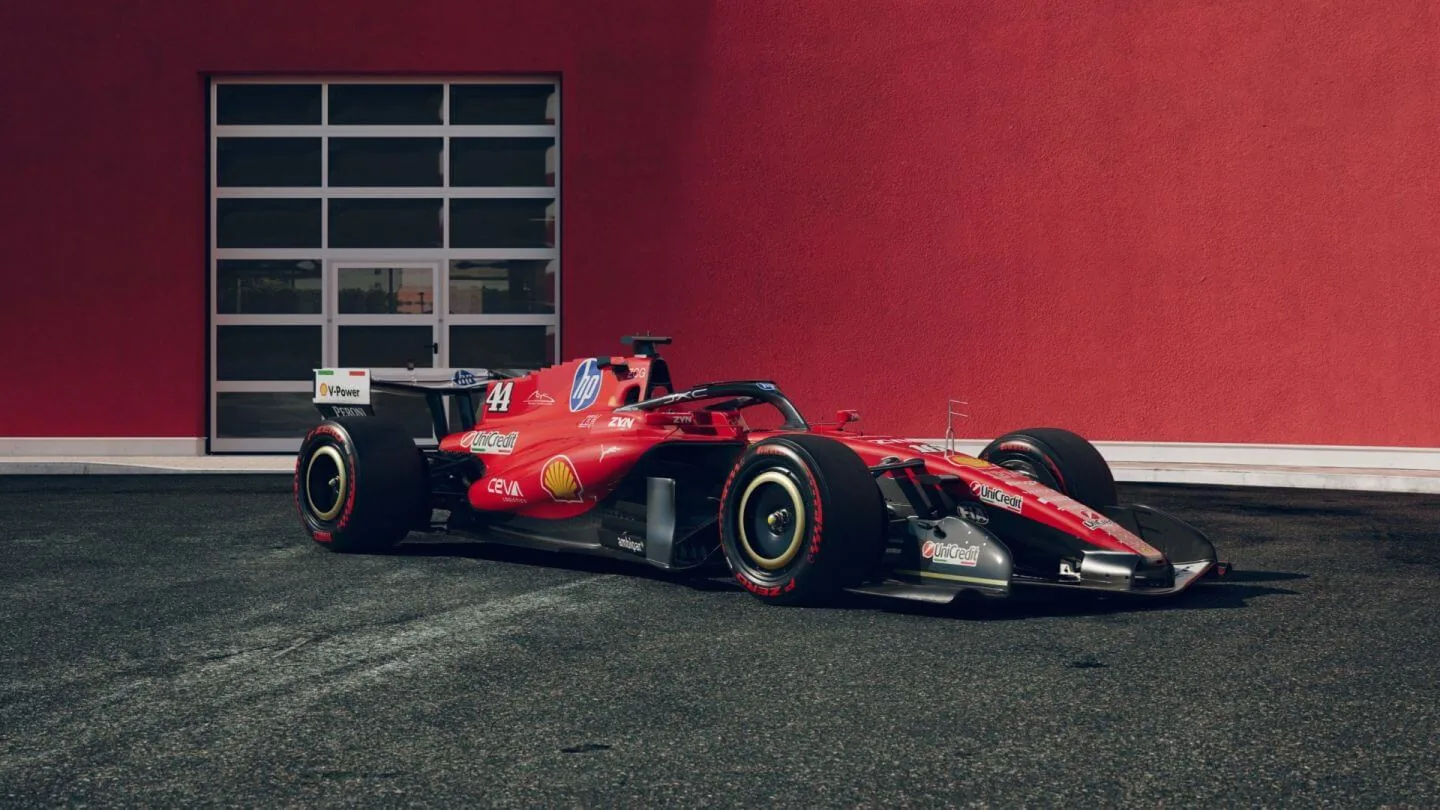
The performance of an F1 car is the result of the cooperation of many elements. The power of the power unit alone is not enough to guarantee an advantage on every track.
The most important areas include:
- aerodynamics;
- power unit;
- suspension;
- car weight;
- car settings;
- tire characteristics.
The track configuration also plays a huge role. A car optimized for fast corners can behave completely differently on a circuit dominated by long straights and sharp hairpins.
Engineers must therefore find a compromise between aerodynamic downforce and top speed. Too much downforce improves the car’s behavior in corners but can limit its speed on straights. Conversely, a setup focused on low drag can make it harder for the driver to control the car in fast bends.
Tires can change the strategy
Tires are one of the most important elements of the racing puzzle. Their temperature and wear affect the car’s pace, so teams must carefully plan the timing of pit stops.
However, the strategy can change during the race. Rain, safety cars, or unexpected rival pace can make a previously prepared plan no longer optimal.
That’s why engineers constantly analyze data and compare the track situation with earlier assumptions. The way the driver manages the tires also matters. Smooth driving can help maintain the right pace for a longer time.
Pit stop is the result of perfect teamwork
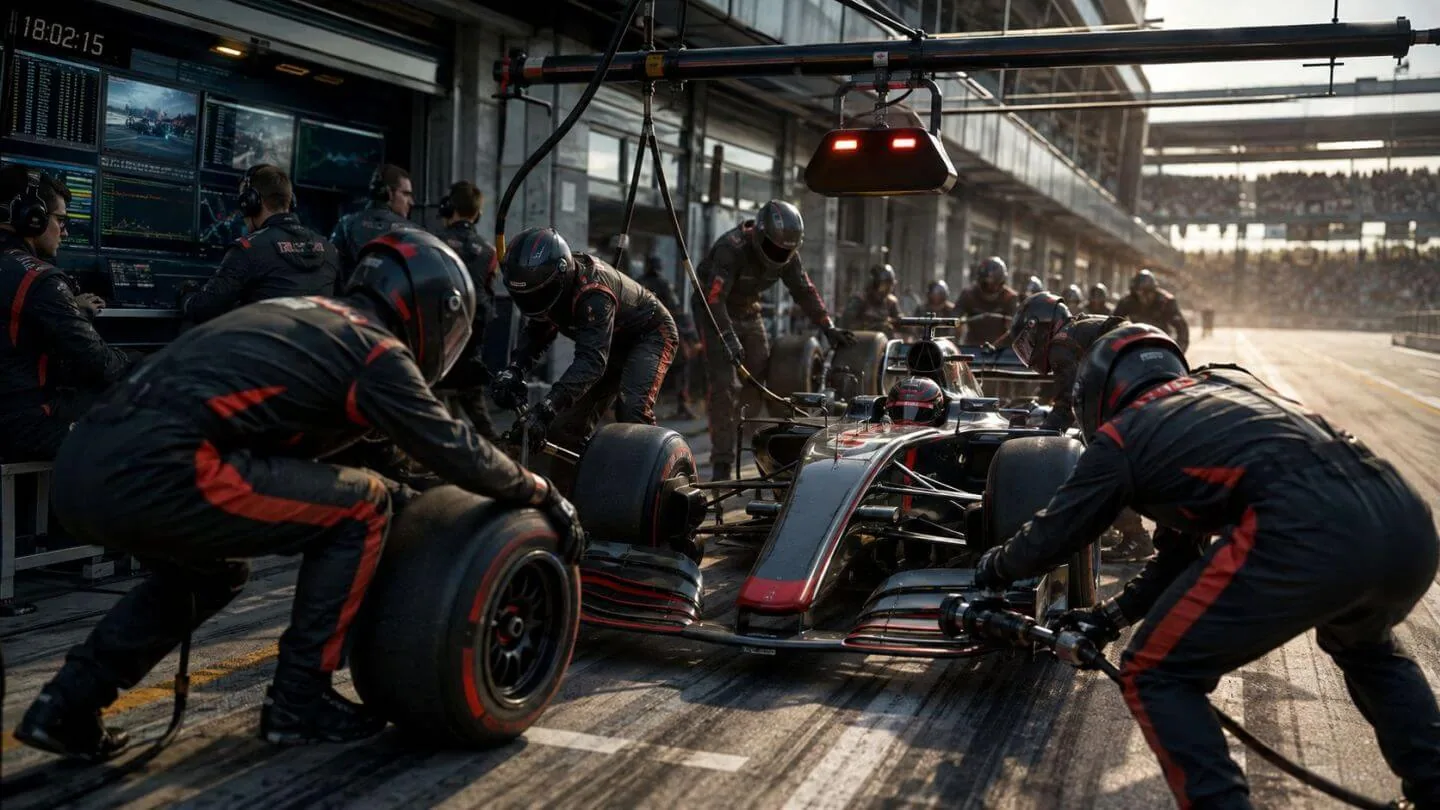
Tire changes take just a few seconds, but behind such a result are hours of training. Every team member has a specific task and must perform it precisely at the right moment.
During a pit stop, synchronization is crucial. One wrong move can cost the driver valuable seconds and cause them to return to the track behind a rival.
The timing of the pit entry is equally important. Even a very fast tire change won’t help if the driver comes into the pit lane at an unfavorable moment. Strategists must therefore anticipate the track situation several laps in advance.
Read more Albon and Sainz will remain at Williams for the 2027 season
Telemetry data invisible to fans
During broadcasts, viewers mainly watch the cars, but behind every lap there is a huge amount of data. The car’s systems send teams information about, among other things, speed, temperatures, and the operation of individual components.
This allows engineers to quickly notice worrying changes. Data analysis also helps the driver improve pace and better prepare for subsequent runs.
Data also allows comparing two drivers from the same team. It is possible to check where one driver gains time and in which parts of the track the other has an advantage. Such information can later be used when changing car settings.
The sprint changes the weekend’s rhythm
Not all rounds have the same schedule. In the 2026 season, six weekends use the sprint format. This arrangement means less time for testing settings and faster decision-making.
In a classic weekend, teams have more opportunities to gradually adjust the car. The sprint format, however, requires quicker reactions. The first information from the track must be used almost immediately because the next sessions come much faster.
For fans, this means additional competition and more moments when the order on the track can change.
Why does every track have different demands?
There is no universal car setup that guarantees great results at every circuit. The characteristics of corners, the length of straights, asphalt temperature, and grip level change the way the car is prepared.
At one track, the priority may be maximum speed on straights, while at another it is stability during fast corners.
Variable weather conditions add to this. Wind can change the car’s balance, and rain can completely reverse earlier strategic assumptions. Temperature also affects tire behavior and the car’s operation.
What makes the F1 weekend so unpredictable?
Formula 1 combines many elements that interact with each other. The result does not depend solely on the car’s speed. Preparation, qualifying, mechanics’ work, strategy, tire behavior, and the team’s reaction to events during the race also matter.
An additional factor is mistakes. Even the best-prepared car does not guarantee a result if the driver makes an error or the team makes a wrong strategic decision. It is this unpredictability that makes each Grand Prix potentially look completely different.
Current sporting and technical regulations are published by the FIA, and their detailed provisions define, among other things, the rules of competition and the course of individual weekend formats.
Thanks to this, every Grand Prix weekend becomes a multi-stage process. From the first practice laps to the final race runs, teams constantly look for even the smallest advantage that can translate into a result at the finish line.
Sponsored content.
GAMBLING INVOLVES RISK, AND PARTICIPATION IN ILLEGAL GAMES IS PUNISHABLE. ALLOWED FOR PERSONS OVER 18 YEARS OF AGE.
Read more Five drivers, five stories, one goal