
Nowadays, if a young driver wants to debut in Formula 1, they must belong to a junior program of one of the teams. Entering F1 without such support has become impossible. I analyzed F1 debuts in the last ten seasons and the conclusions are clear.
Read more Max Verstappen – the coolness of a champion or armor built since childhood?
The introduction of point requirements for obtaining a super license in F1, as well as the development of junior programs, has made it so that “accidental drivers” have no chance to debut and start in a race. In the past, there were situations where a young driver impressed during a single test session and was hired. There were also cases where a typical pay driver bought the opportunity to race in Formula 1 in a team that had financial problems. Nowadays, drivers debuting in F1 are connected with junior programs, usually associated with them for several years. These are drivers who have appropriate track preparation as well as many hours spent in simulators and behind the scenes. F1 teams leave nothing to chance. These are fully logical and good actions, as shown by the performance of rookies in recent seasons.
Formula 1 team junior programs in 2026
Most Formula 1 teams run junior (development) programs. In 2026, they include over 50 drivers in total. Additionally, F1 teams have their reserve and simulator drivers. Many of them no longer belong to junior programs. I can estimate that in 2026, about 70 drivers are associated with F1 teams outside of regular drivers. From this group, only a few will start in F1 races in the future. F1 teams mostly want to have diversified junior programs, i.e., they want to have drivers at different career levels. In recent years, scouting talent at an early karting stage has become very popular; F1 teams sign contracts with drivers aged 12-13.
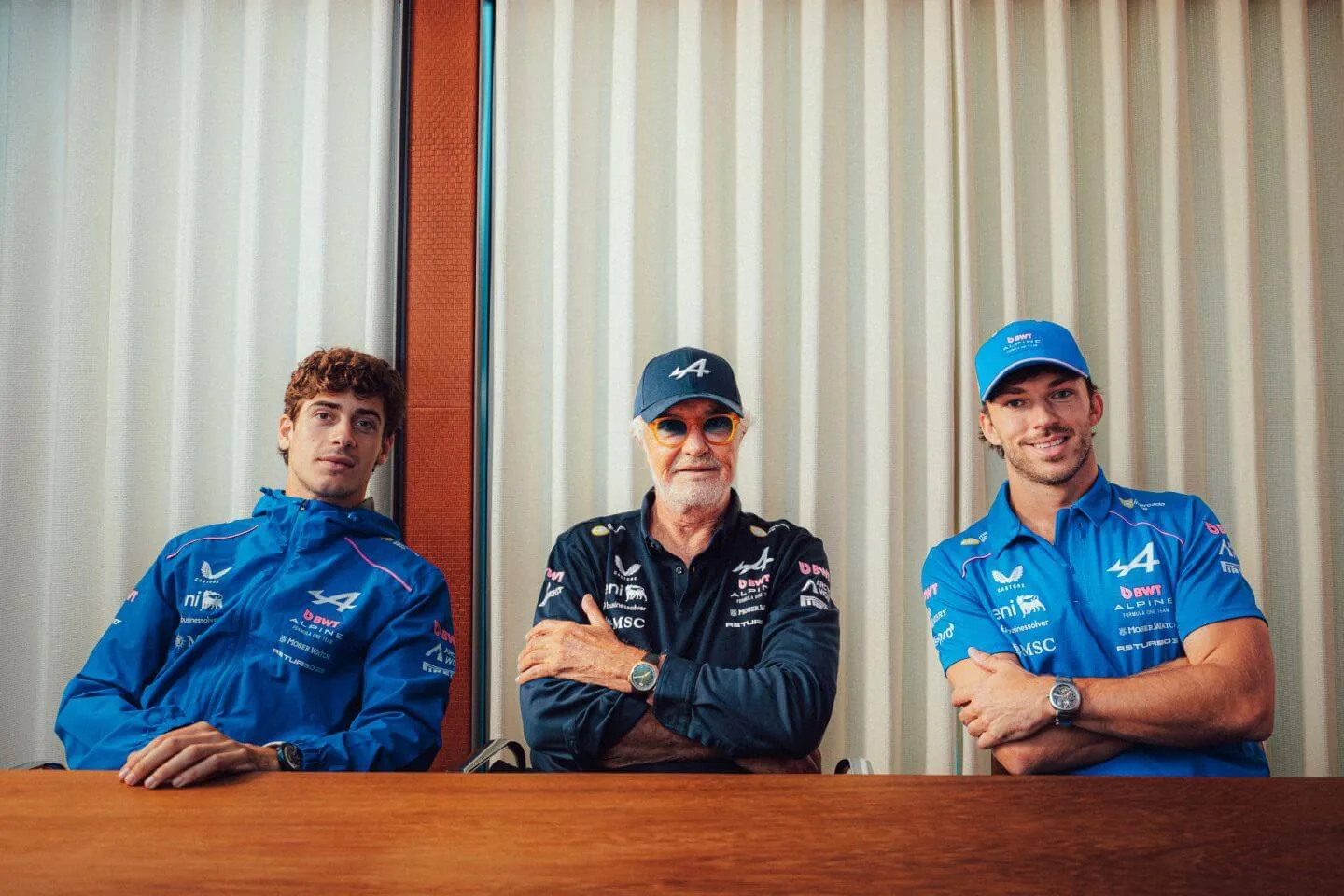
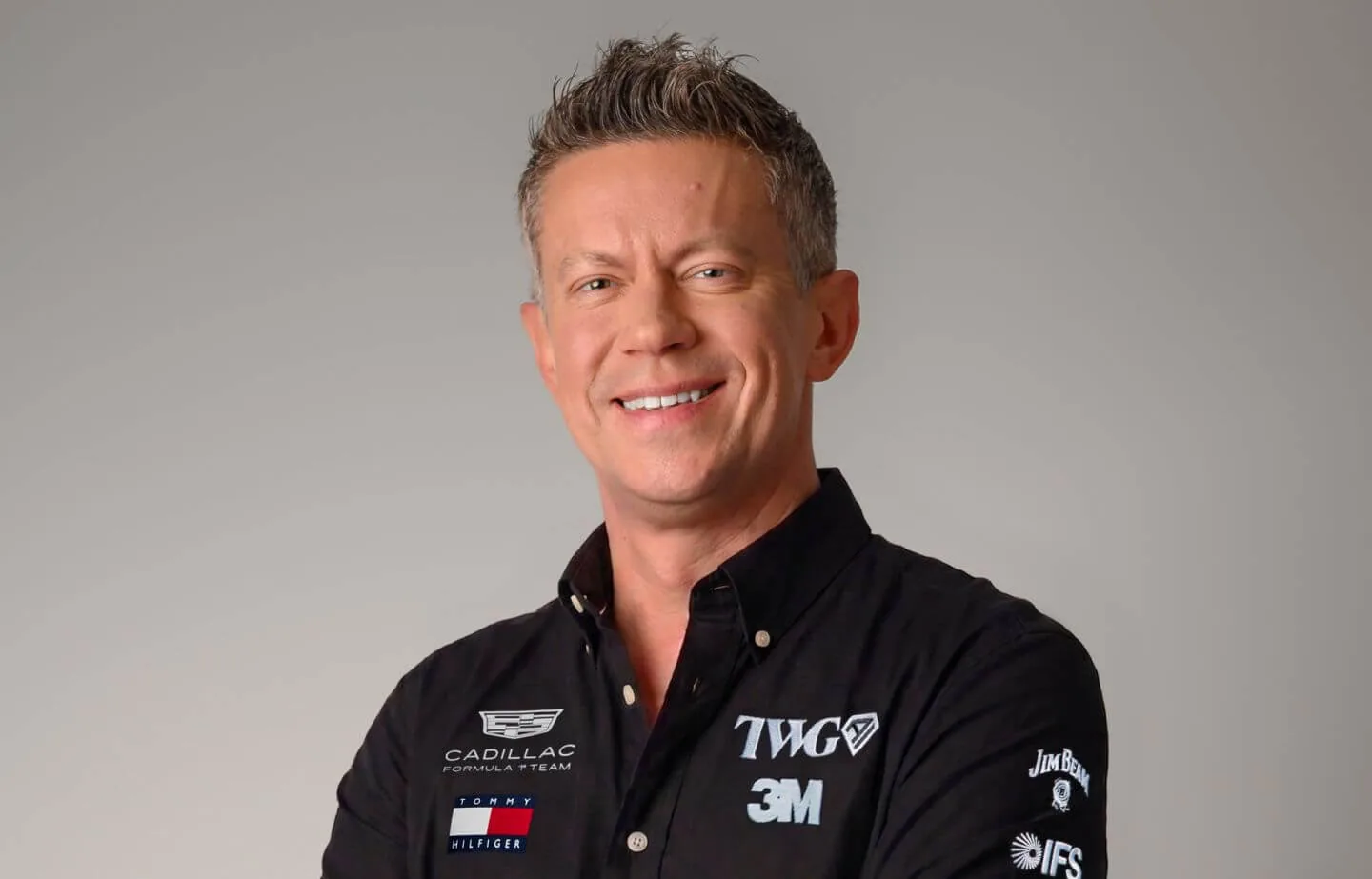
In recent months, I have thoroughly discussed the lineups of seven junior programs run by F1 teams in 2026 on the blog: McLaren (details), Mercedes (details), Williams (details), Red Bull (details), Ferrari (details), Aston Martin (details), and Alpine (details). Red Bull has a joint program for two teams. Audi runs a very small program, but it includes Freddie Slater, a driver set to debut in F1 in 2028. This year, Haas launched its program in cooperation with Toyota, but it is very small, mainly serving to organize F1 car tests for Toyota protégés. The only team without a classic development program is Cadillac, but this team currently does not need one. They support Colton Herta, who is preparing for an F1 debut expected within a maximum of two years.
Driver debuts in Formula 1 from 2017 to 2026
Below is information about all drivers who debuted in Formula 1 in the last ten seasons. I considered all debuts (including single races), listing the driver in the season they raced their first F1 race, even if their full contract started the following year. For each driver, I provided information about the junior academy they belonged to. If someone belonged to more than one, I only list the last one from which they entered F1.
Lance Stroll – belonged to Ferrari’s academy from 2010 to 2015. In 2016, he was a Williams development driver (the team did not have a junior academy then), debuting in F1 with that team in 2017.
Stoffel Vandoorne – a product of McLaren’s junior program, debuted in F1 directly with that team.
Antonio Giovinazzi – was not formally part of any junior program. Since 2016, he worked in Ferrari’s simulator. In 2017-2018, he was a reserve driver for Ferrari, Sauber, and Haas. He replaced the unavailable regular Sauber driver in the first two races of the 2017 season.
Pierre Gasly – a product of Red Bull’s junior program, debuted in F1 with Toro Rosso.
Brendon Hartley – was not formally part of any junior program. In 2009-2010, he was a reserve driver for both Red Bull teams. In 2012-2013, he was associated with Mercedes, mainly through simulator work. He debuted in F1 with the Red Bull-owned Toro Rosso team.
Charles Leclerc – a product of Ferrari’s junior program, debuted in F1 with Sauber while remaining linked to Ferrari.
Sergio Sirotkin – was not formally part of any junior program. He was a Sauber test driver in 2013-2014, was supposed to be a regular driver from 2015, but the team changed plans. Since 2016, he has been linked to Renault as a development driver and in 2017 as a reserve. He debuted in F1 with Williams.
Alexander Albon – belonged to Red Bull’s junior program from 2008 to 2012, lost his place and competed independently in junior series. Red Bull rehired him, and he debuted with their Toro Rosso team.
Lando Norris – a product of McLaren’s junior program, debuted in F1 directly with that team.
George Russell – a product of Mercedes’ junior program, debuted in F1 with Williams while remaining linked to Mercedes.
Nicholas Latifi – a product of Williams’ junior program, debuted in F1 directly with that team.
Jack Aitken – a product of Renault’s junior program. Since 2020, he was Williams’ reserve driver, debuting in one race replacing a regular driver.
Pietro Fittipaldi – was not formally part of any junior program. He was Haas’ test and reserve driver, starting in two races replacing an injured regular driver.
Nikita Mazepin – was not formally part of any junior program but was linked to Force India as a test driver from 2016 to 2018. In 2019 and 2020, he conducted extensive private testing with old Mercedes cars. He debuted in F1 with Haas.
Read more Formula 1 Scoring: points allocation rules and championship system
Mick Schumacher – a product of Ferrari’s junior program, debuted in F1 with Haas while remaining linked to Ferrari.
Yuki Tsunoda – a product of Honda and Red Bull academies, debuted in F1 with AlphaTauri.
Zhou Guanyu – a product of Alpine’s junior program, after ending (or buying out) his contract, debuted in F1 with Alfa Romeo.
Nyck de Vries – a product of McLaren’s junior program, later joined Mercedes as a reserve driver, debuted in F1 with Williams replacing an unavailable driver once, and from the next year joined AlphaTauri.
Oscar Piastri – a product of Alpine’s junior program, broke his contract and moved to McLaren, where he debuted in F1.
Logan Sargeant – a product of Williams’ junior program, debuted in F1 directly with that team.
Liam Lawson – a product of Red Bull’s junior program, debuted in F1 with AlphaTauri.
Oliver Bearman – a product of Ferrari’s junior program, debuted in this F1 team (replacing an unavailable regular driver), later joined Haas permanently but remained linked to Ferrari.
Franco Colapinto – a product of Williams’ junior program, debuted in F1 directly with that team.
Jack Doohan – a product of Alpine’s junior program, debuted in F1 directly with that team.
Kimi Antonelli – a product of Mercedes’ junior program, debuted in F1 directly with that team.
Gabriel Bortoleto – a product of McLaren’s junior program, debuted in F1 with Kick Sauber, which bought him out.
Isack Hadjar – a product of Red Bull’s junior program, debuted in F1 with Racing Bulls.
Arvid Lindblad – a product of Red Bull’s junior program, debuted in F1 with Racing Bulls.
Summary of debuts
Over the last ten seasons, 28 drivers debuted in F1. Among them, only five drivers never belonged to a junior program, but each of them was associated with F1 teams in other roles before their F1 debut, having participated in tests (some for many days). Antonio Giovinazzi and Pietro Fittipaldi debuted in F1 as reserve drivers, replacing unavailable regular drivers as per their duties. Sergey Sirotkin and Nikita Mazepin were linked to two different teams with whom they extensively tested but debuted with other teams. Brendon Hartley debuted in F1 because Red Bull urgently needed a driver at the end of the season; they had no junior ready for promotion, so they offered a contract to the New Zealander who had been their reserve driver a few years earlier.
From the above summary I prepared, it follows that since 2022, only drivers coming directly from junior programs debut in F1. This is related to more teams running larger development programs. In important junior series, drivers linked to F1 teams often occupy top positions in the general classification. If someone wins a major series in style without junior program support, they are later hired by one of them. F1 teams have cleverly devised this, developing drivers from a very young age. This way, they have ready successors and do not need to make transfers. Only the best pass through the levels. Looking ahead to coming seasons, drivers from junior series who should debut in F1 are already visible. Each belongs to a junior program or is otherwise strongly linked to a specific team. There are no coincidences here.
Currently, no Polish driver belongs to an F1 team junior program. Kacper Sztuka belonged to Red Bull’s program for less than a year but was released. Others have been tested in various academies but did not get in. Not all academies have purely sporting criteria; some also require payment. We have many interesting young drivers competing in various series. Many fans follow them, and the media talk about a “new Kubica” after successes. The truth is that until one of these drivers joins a junior program, they have no chance not only to debut in an F1 race but also to participate in a practice session. Being in a junior program is essential; it opens the chance to participate in private tests, young driver tests after the season, or official F1 practice. Without such runs, there is no chance to debut in an F1 race. Therefore, I strongly support Polish juniors and hope we will see them in junior programs, as this opens broader opportunities.
Read more Three F1 drivers among the highest-paid athletes in the world in 2026