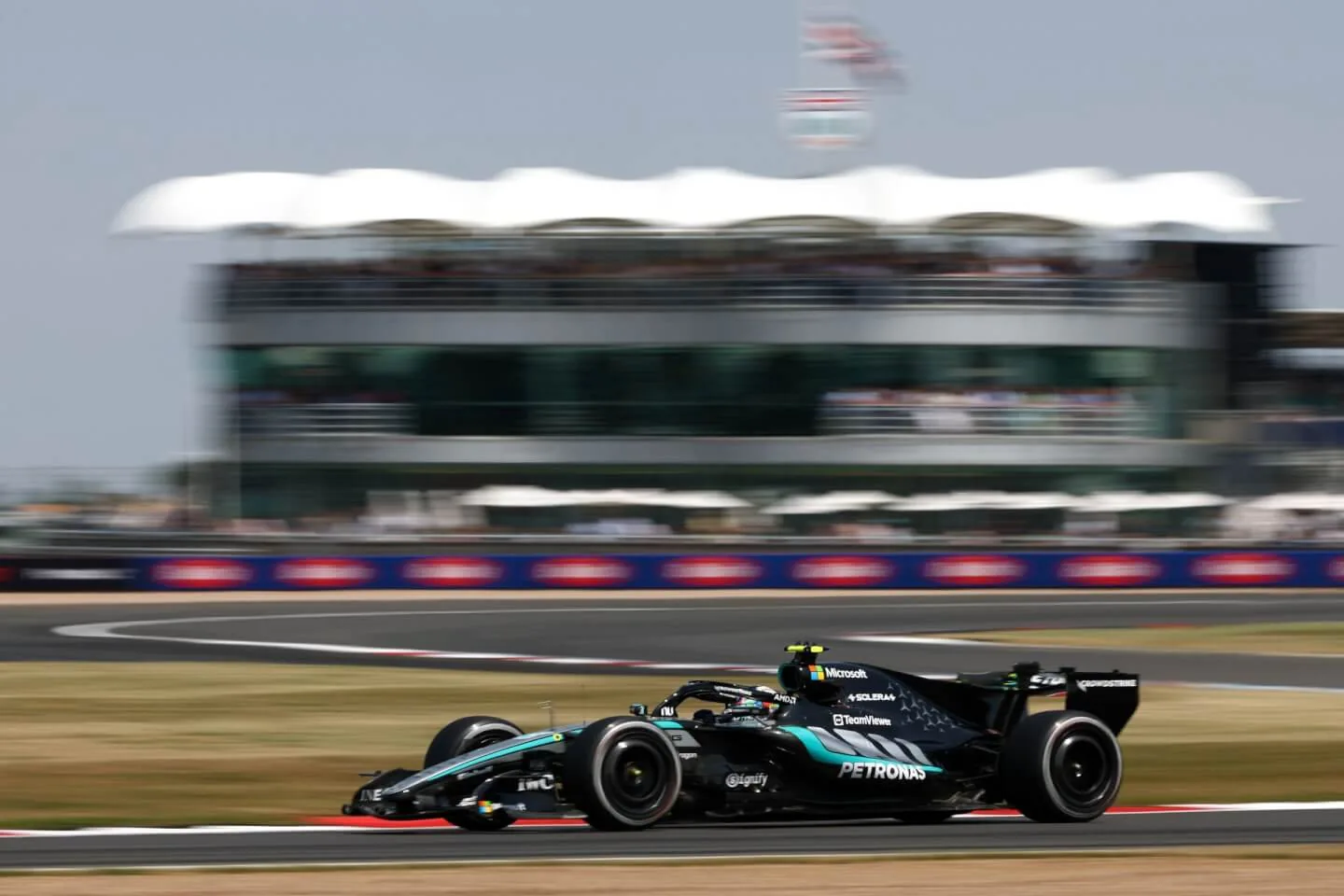

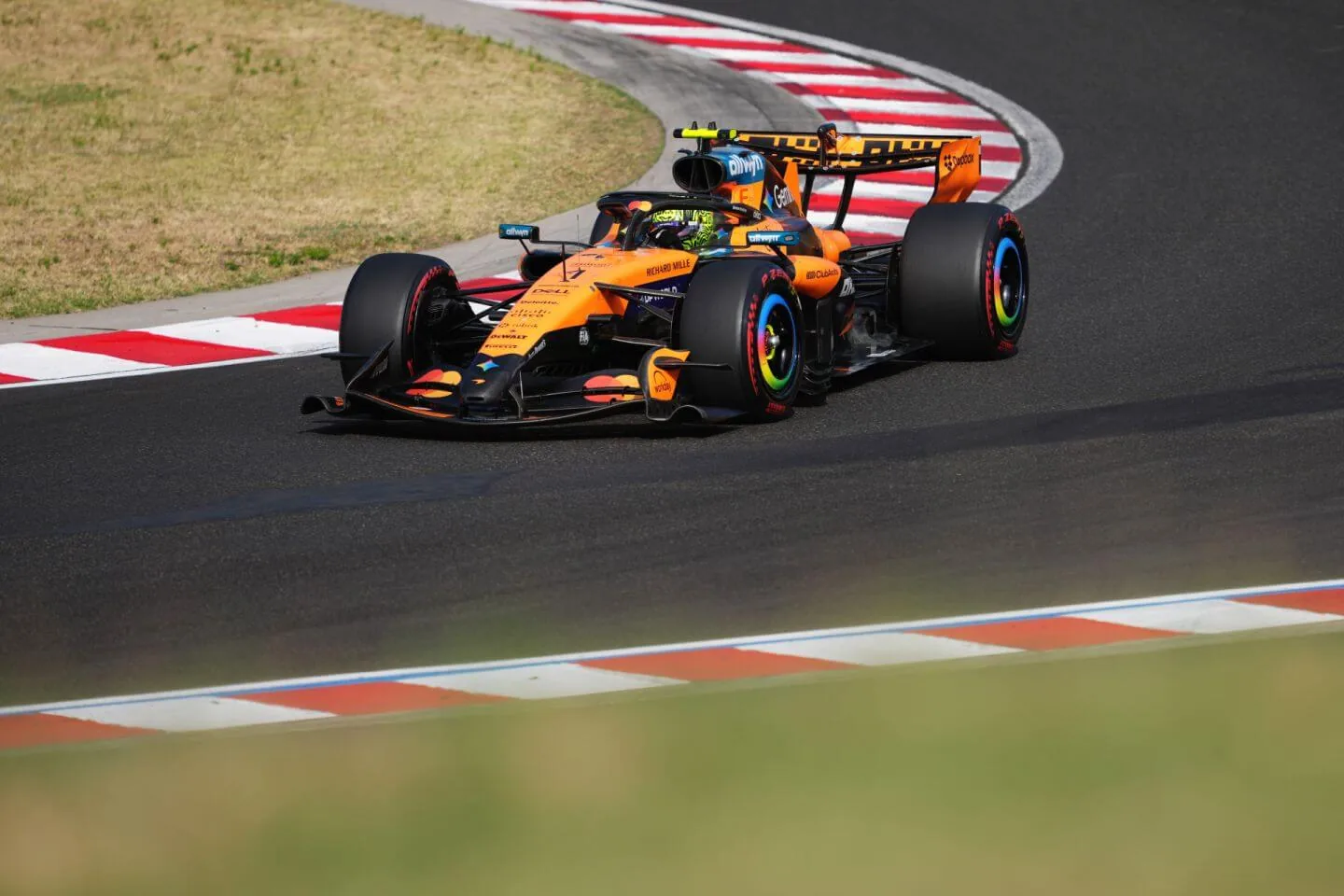
After introducing important changes to the MCL40 car, McLaren was the fastest before the summer break at the 2026 Hungarian GP. The team is preparing further significant improvements in the coming weeks. The heads of its technical department shed new light on past actions and plans.
Read more Three races hope to return to the F1 calendar in the future
The defending champions had a completely different approach to the start of the 2026 season compared to their rivals. Already at the beginning of testing, they presented a refined car with which they started the season in March. The rest of the front runners had preliminary versions at the start of testing, which they significantly improved during two subsequent test sessions. The team did not hide that due to the fight for the championship title last year, they were behind in preparations for this season. McLaren had the smallest aerodynamic work time limits over the past two years, which also had an impact. They use the best Mercedes power unit, but are still at least one step behind the factory team in understanding it, having to refine the software themselves before receiving updates. Both McLaren cars had numerous types of failures in the first half of this year: more than in two championship seasons combined.
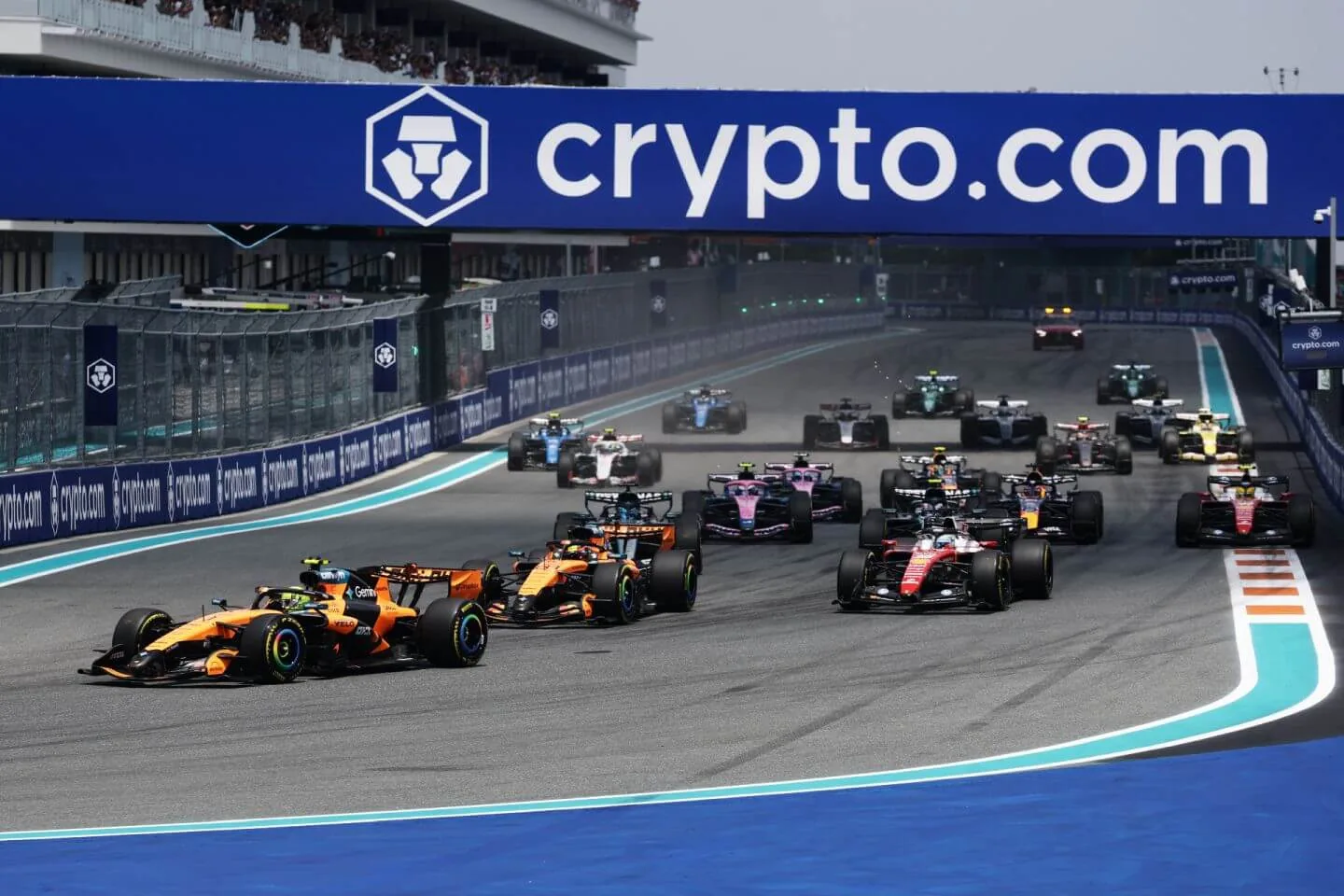
The Woking team started the season with a car they called universal, which they later planned to develop in the direction they considered best. McLaren introduced a very large package of upgrades spread over the May races in Miami and Canada, which then brought significant improvement, and Norris was very close to winning the Miami GP. They began introducing the second large package of upgrades in Hungary, with continuation planned after the break. The changes in Hungary turned out to be perfect; the car had a lot of downforce, allowing them to win both qualifying and the race there. In Hungary, they also tested their own rotating rear wing, which is likely to be used from the Monza race. Including tests, the team introduced the fewest major upgrades among the front runners. According to Andrea Stella’s announcements, they plan to catch up after the break and introduce more upgrades. If McLaren keeps its promise, a regular fight for victories is expected, as Ferrari and Red Bull spent more of their budget in the first half of the season and will not be able to respond.
The MCL40 car showed very well during the hot Hungarian GP. It had a lot of aerodynamic downforce, was very gentle on the tires, and there were no significant problems with using the power unit. This track suited them better, and they should be strong on other similar circuits. The real test will come at Monza, where the demands are completely different. The form at the Italian GP will show us whether they will be equally strong on all tracks or only on selected ones.
Mark Temple from McLaren on the challenges of optimal engine use in 2026
A long interview with a very experienced team engineer appeared on McLaren’s website. Mark Temple has worked there for 23 years, starting with gearboxes for V10 engines. He has held many positions, working with cars under completely different technical regulations. Currently, he is one of the four main engineers. You can read the full, longer text at the link provided earlier. Below, I will list the most important things he said about the MCL40 car, mainly concerning the power unit.
With such a big change in regulations regarding car and engine design, they expected a huge challenge in 2026, but some things turned out to be even more challenging than anticipated.
McLaren created a working group within the team that deals with understanding everything related to the new engines and trying to extract as much performance as possible from them. There was no such group of engineers in the team before. They analyze all data and information, trying to improve engine efficiency. They work very closely with Mercedes’ engine department. It is Mercedes engineers (from the engine factory, not the F1 team) who conduct simulations and prepare the power unit configuration for specific tracks and even specific sessions. McLaren receives data and many options on how best to use the power unit over a lap distance. Then McLaren’s own working group checks this data and confronts it with the possibilities offered by the MCL40 car, also considering their own settings regarding fuel quantity in the tank, as well as external factors like wind and asphalt grip. This way, McLaren’s own recommendations are created, parallel to those received from Mercedes.
Read more Kacper Sztuka halfway through the 2026 Eurocup-3 season
The cooperation with Mercedes is very good, but McLaren, as a customer team, is obviously excluded from certain decisions and knowledge. They receive data from Mercedes’ engine department before each race but are not part of the decision-making and development process. They often have very little time to react to changes. They are trying to internally change their actions to respond better. McLaren has influence on the design and configuration of the power unit. They report their comments to Mercedes on how they would like certain engine elements to be built, but they do not have the deciding voice. That belongs to the Mercedes F1 team. Here is my own comment, but this is the main advantage of the factory team. Customers report their comments to the engine manufacturer, but the decisive voice belongs to the team owned by that manufacturer, which is aware of what customers would like to change and thus gains knowledge about them. Ultimately, all design changes are made with the factory team’s requirements in mind.
McLaren prepares important changes after the summer break
A very interesting article about McLaren was published recently by the reliable Italian service AutoRacer – link. They spoke with Neil Houldey, one of the four most important engineers of the team.
The MCL40 was a solid car at the start of the year but poorly developed; it was a good starting point for them. They made good decisions regarding the overall car concept, which allows them to develop well. Due to intensive development last year, they started this year weaker. During pre-season testing, the MCL40 car exceeded the minimum weight level, but they managed to lighten it before the Australian GP, which required resource consumption and affected further development. According to Houldey, in modern F1 it is difficult to build a car to a specific weight because it is not worth preparing it to be too light; you have to aim precisely at the regulatory level.
The team has been regularly developing aerodynamics since the start of the season, with changes affecting various areas of the car. They better understand the new technical regulations; it turned out that a lot can be gained by modifying the floor. They also learned a lot about the new tires; knowledge about them influenced aerodynamic development. They have not yet reached the full potential of the MCL40 car. McLaren plans to introduce smaller packages of changes during races after the summer break. A large package of upgrades is planned for the Azerbaijan GP at the end of September; it will be their third large package of changes this year. They have not decided what next. If they consider it worthwhile to develop the car longer and there is something to fight for in the standings, they will prepare further changes. However, this cannot affect preparations for the 2027 season.
They are still working on the power unit, knowing that in this area they are at least one step behind the factory team. They see in the data that their drivers record lower speeds on straights. This also affects aerodynamic development because the goal is to increase downforce while maintaining drag. Houldey expects upgrades introduced by power unit manufacturers, including Mercedes, in the second half of the season.
Summary
One can be very optimistic about McLaren’s potential in the second half of the season. They should be regularly fighting for podiums and, on several tracks, also for victories. They will benefit from having larger aerodynamic development time limits than in the past two years.
Read more How much does the F1 return to Malaysia funded by Bahrain cost?