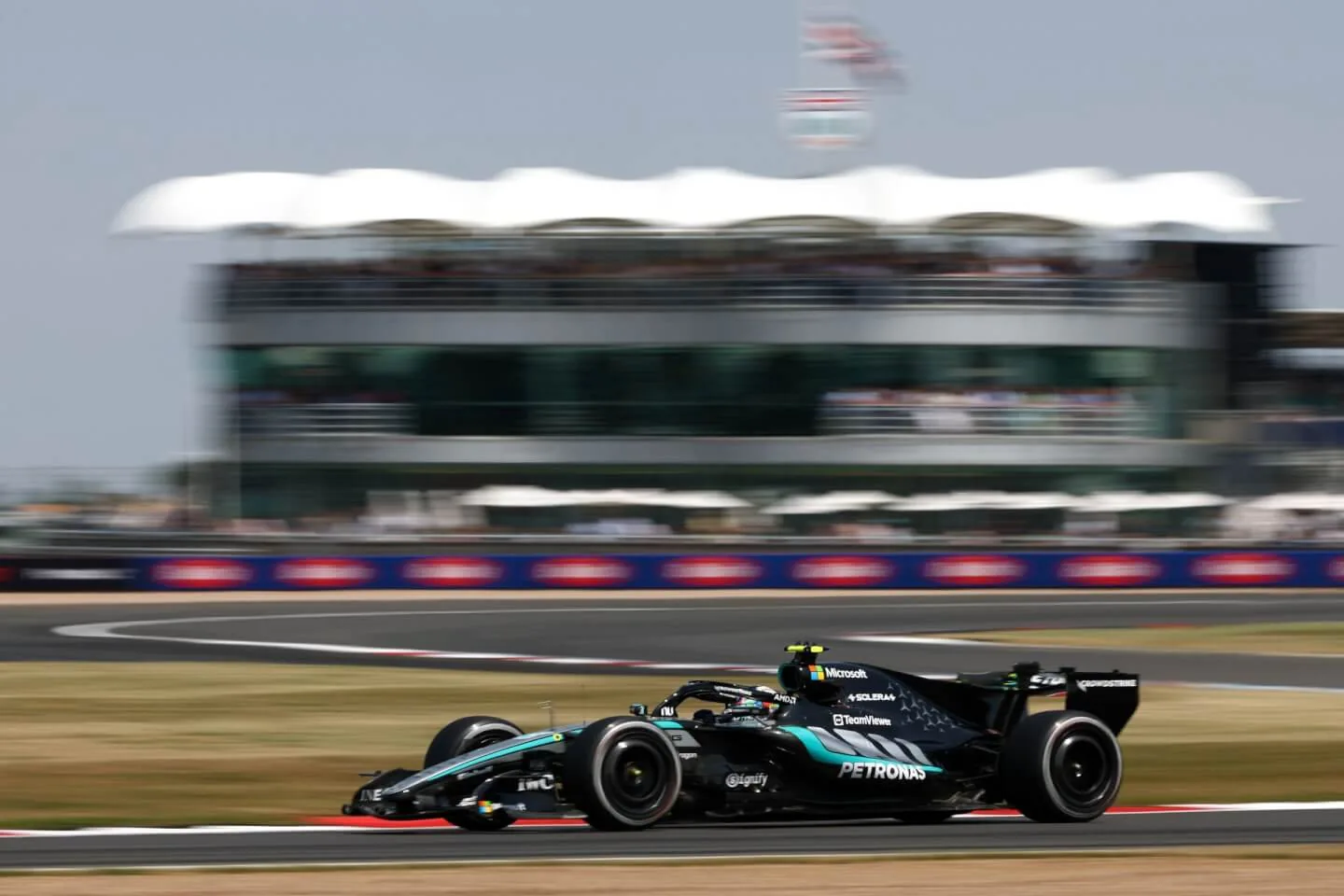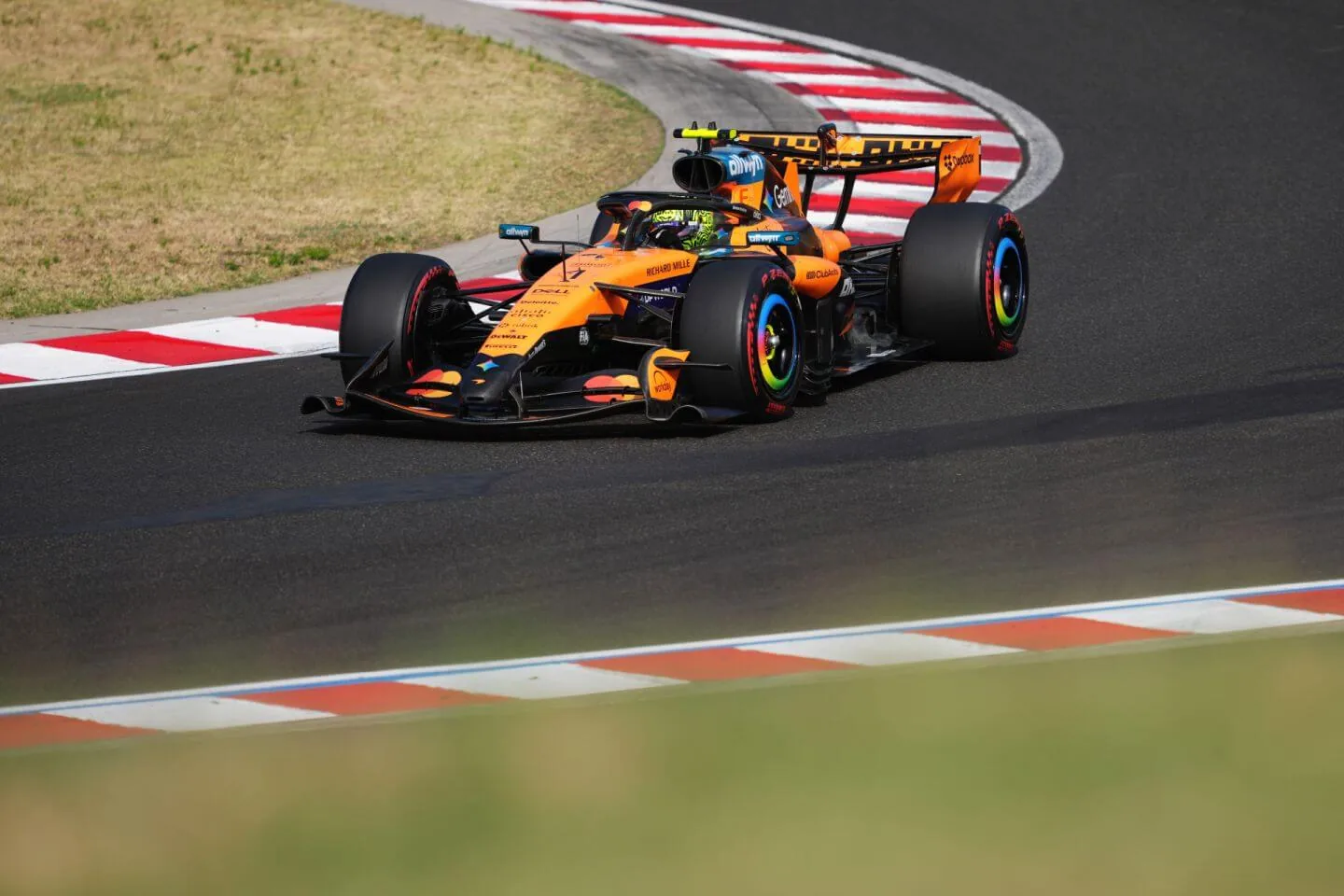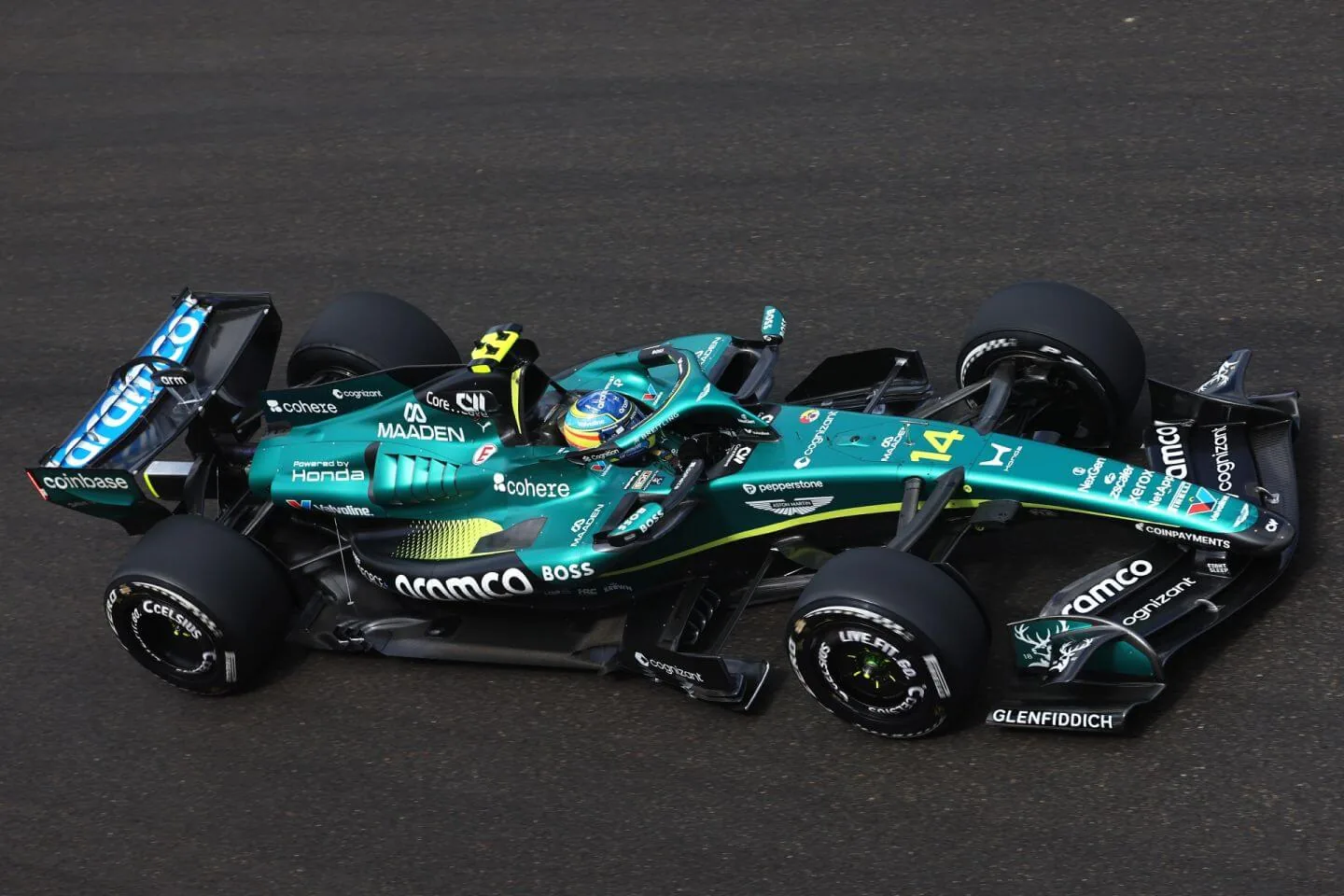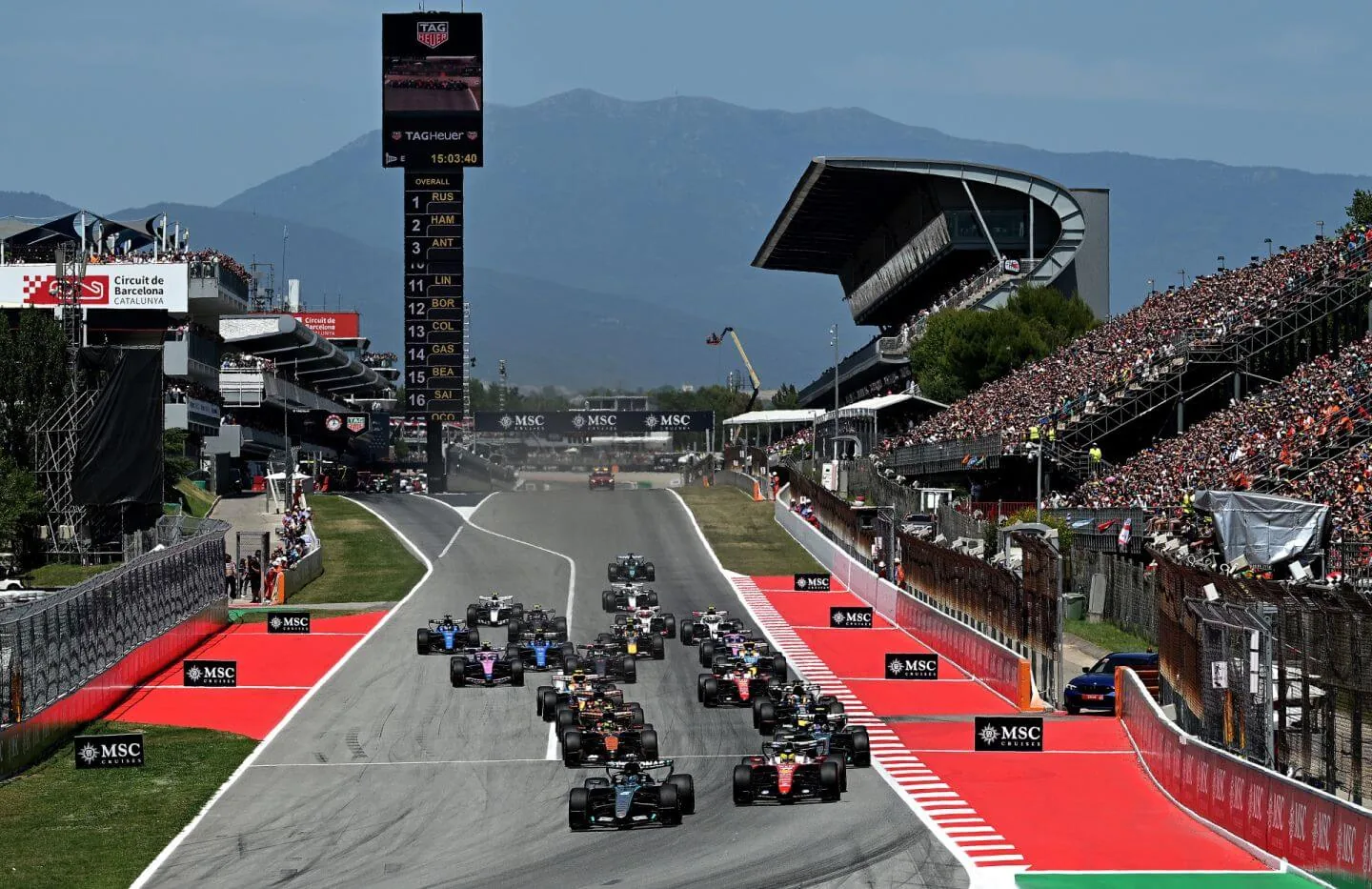



We have learned new information that sheds better light on Honda’s engine problems ahead of the 2026 season, which directly translates to the Aston Martin team, which is not without fault in this matter. I fear that only some of the issues will be resolved quickly.
Read more Run Flat tires – how to recognize them?
Regarding Honda engines, Japanese media always have the best information. This was the case during the collaborations with McLaren and Red Bull. Much information does not reach English-speaking media or only reaches them partially. At the end of February, the Japanese website auto sport web posted a three-part article about the challenges Honda is currently facing. Links to the three parts of this article in English can be found Here 1, Here 2, and Here 3. The articles contain many statements from Tetsushi Kakuda, who is the head of power unit development, as well as other information.
I rarely do this, but the rest of this text is mostly condensed information from the Japanese service with a few of my additional details. Before I move on to this discussion, I will add that Honda plans to introduce some changes to its power unit before the season. During testing, many faults appeared; the main reason was vibrations that damaged the batteries. During testing, they were left with only one working unit. Part production is time-consuming, so if the introduced changes do not eliminate the problems, Aston Martin will be forced to limit running at the start of the season. Honda has found itself in a very difficult situation, and additionally, the Japanese GP will take place at the end of March. Technical problems at the home race or a lack of spare parts would be a PR disaster for them.
Later start of development work and the budget cap
At the end of 2021, Honda decided to end its presence in Formula 1. Operations continued unchanged until the power unit for the 2022 season was homologated (when the development freeze came into effect). At that point, the staff at Honda’s Sakura factory was significantly reduced, and employees moved to other departments. The remaining staff handled the maintenance of current power units; no work was conducted for the 2026 season. I will add here that employees from Honda’s factory in Japan did not move to Red Bull’s engine department. Honda had a small branch in the UK, where mainly mechanics involved in day-to-day engine maintenance worked. This department was liquidated, and Red Bull took over its employees. Honda produced engines for both Red Bull teams in Japan until the end of 2025; Red Bull did not have access to their designs.
Tetsushi Kakuda said that when they entered F1 in 2015 (which was Honda’s fourth era in F1), they had a very poor start and many problems. The breakthrough came in 2017 when, during testing of a single-cylinder engine, they came up with fast-burn technology. After many attempts, they managed to fully implement it in 2018, which provided a significant power increase.
Current times (the fifth era) are much more difficult for Honda because of the budget cap imposed on engine manufacturers (operating independently of the team cap) since the beginning of 2023. During their previous presence, the corporation allocated serious resources to development and involved other departments, including Honda Jet. Now that is not possible. They cannot test many things simultaneously. Other manufacturers began work on engines before the budget cap was introduced; they could do whatever they wanted then (I will add that last year the head of Mercedes’ engine department spoke about how they completed necessary factory investments in 2022, and it did not affect their budget in subsequent years). From the moment of the decision to return to F1 in May 2023, Honda was subject to the spending limit. Other manufacturers were very advanced in their work when Honda was just starting theirs.
Honda will benefit from “ADUO” if their power unit lags behind rivals this year; possible benefits also include a periodic increase in the budget cap. I will clarify that the ADUO (Additional Development and Upgrade Opportunities) system exists in the technical regulations. The FIA will examine the competitiveness level of power units after 6, 12, and 18 races of each season. If the internal combustion engine lags by more than 2% in terms of power, the FIA will be able to grant that manufacturer additional development opportunities. These are complicated matters, and the scale of additional opportunities depends on whether the engine lags within the 2-4% range or above 4%. The key fact is that only the performance of internal combustion engines is compared, not electrical components.
New technical regulations have neutralized the previous advantages of Honda engines
According to the cited article, the format of the approved regulations for the 2026 season affected Honda’s potential because certain elements regarding internal combustion engines, in which Honda was a leader under previous regulations and to which it owed its high efficiency, were changed. For this reason, Honda’s internal combustion engine design had to undergo greater changes than those of the competition. The regulations were approved when Honda was not in F1; they had no say in establishing them.
Under previous technical regulations, Honda was said to use a geometric compression ratio in its internal combustion engines at the highest level allowed by the regulations, i.e., 18:1. From 2026, compression up to 16:1 is allowed. A higher ratio meant higher thermal efficiency. Honda’s entire internal combustion engine philosophy under previous regulations was based on a high ratio, injecting large doses of fuel into the cylinder at high temperature and high compression. The 2026 regulations reduced fuel flow by effectively about 30%. The fuel itself also changed to sustainable fuel. This means that Honda had to prepare the internal combustion engine completely from scratch, according to a different philosophy.
Read more When data beats intuition on the track
Additionally, the new regulations banned the use of pressure sensors in internal combustion engines. The sensors monitored the pressure in each cylinder independently. Honda used these sensors to control ignition, allowing them to advance ignition to the absolute limit without knocking (uncontrolled self-ignition of the fuel-air mixture in the engine). The sensors helped increase efficiency and reliability. They could also accurately determine how much longer a given internal combustion engine could operate at high internal pressure.
According to a Honda representative, other engine manufacturers did not use these sensors under previous regulations because they used a lower compression ratio and did not need them. The sensors were also expensive. Without them, the risk of unforeseen technical problems with new engines increases for Honda.
Adrian Newey’s ideas and Aston Martin’s problems
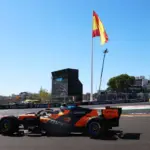
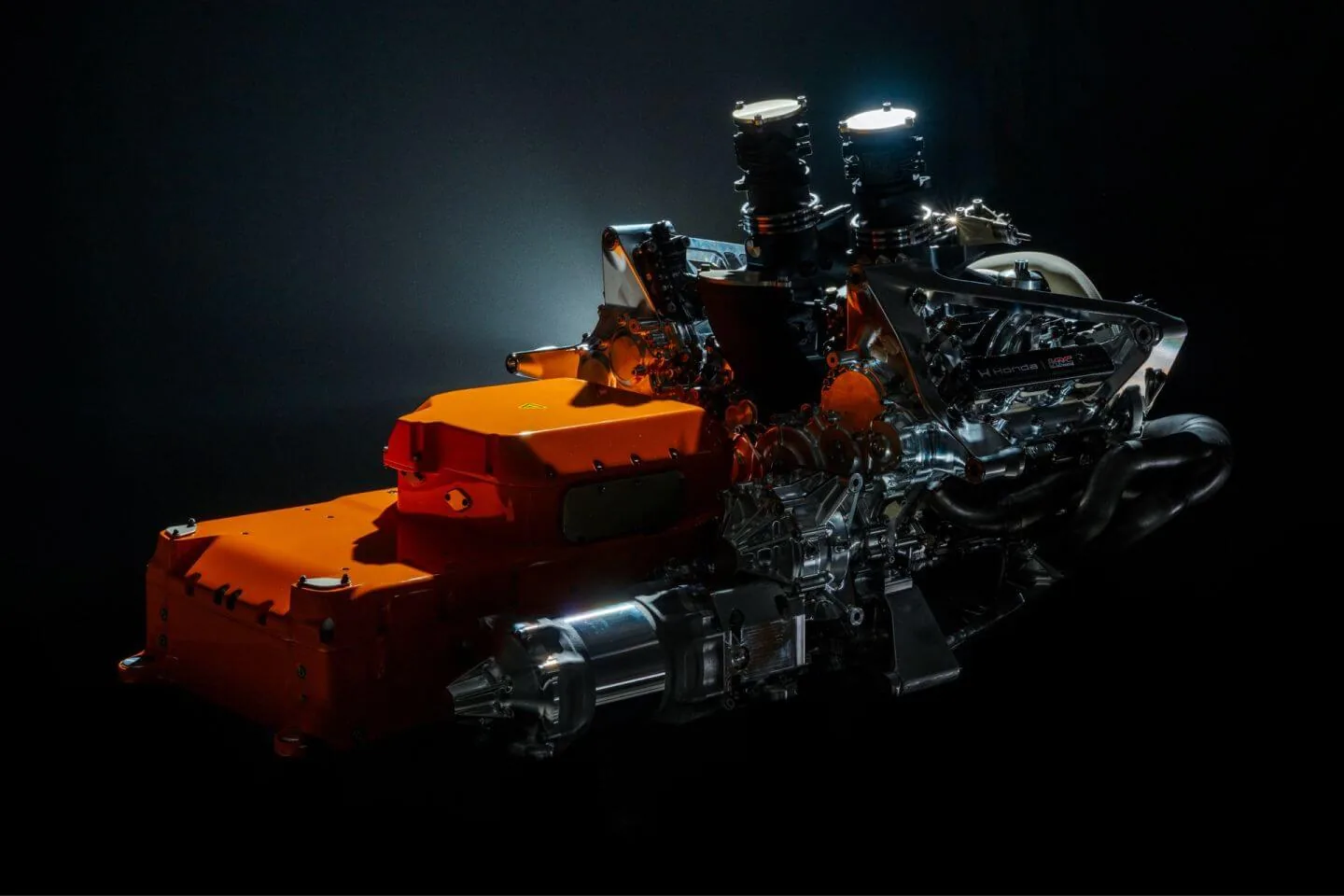
The preparation of the Aston Martin AMR26 car was delayed, and everyone was aware of it. Adrian Newey joined the team in March 2025, and preparations for the new car started over then, according to his ideas. According to a Honda representative, the new car design differed significantly from the previous one, forcing Honda to change “almost everything they had planned.” They could no longer change the general engine construction, but the way peripheral components were mounted and the mounting to the monocoque changed. The idea of using a two-level accumulator (battery and control electronics) in the Honda power unit resulted from Adrian Newey’s request. The Aston Martin boss wanted the power unit to be as compact and short as possible (these elements are clearly visible in the title photo because they are orange). Honda agreed to this, even though the deadlines were very difficult to meet.
Honda does not know what caused the excessive battery vibrations during testing; it is possible that the reason was the late design change.
During Honda’s collaboration with Red Bull, engineers from Japan contacted Rob Marshall (currently working at McLaren), who was responsible for mechanical aspects and served as the liaison between the team and the engine manufacturer. Currently, that person from Aston Martin’s side is Engineering Director Luca Furbatto. Honda, therefore, does not regularly contact Newey directly. Andy Cowell, who according to current reports has been in Japan for several weeks trying to help (this is not information from the article in question), previously dealt mainly with management rather than direct collaboration with Honda. Cowell’s change of position at the end of last year led to further chaos in the team.
Aston Martin does not have a VTT in its new factory – an advanced test rig for the entire car chassis with the engine, gearbox, and suspension on a virtual track. This device is best for testing reliability in a simulated environment. All top teams have this in their factories; McLaren and Red Bull had them during their collaboration with Honda (the article is imprecise here, as we know McLaren uses the VTT rig in Austria at the AVL manufacturer’s headquarters). Honda has such a rig in its Sakura factory and performed tests of the new engine for the 2026 season there. They obviously did not have the Aston Martin car, whose specification had changed and production was delayed. During pre-season testing, problems appeared with the connection between the engine and the gearbox. Downshifts were not well synchronized during braking. Such things would have been caught during VTT testing if it had occurred. Aston Martin must install this at its facility in the future. Manufacturers usually send final versions of their engines to team factories before the season to check them in the VTT with the new car.
Summary and Honda’s future plans
Honda’s fourth “era” in Formula 1 began with many difficulties. They spent a lot of time developing fast-burn technology. Even when it did not bring the expected results, continuous development and the introduction of new ideas were key. In Honda’s current fifth era in F1, the opportunity for internal combustion engine upgrades will appear in 2027 and 2029, and for the ERS system in 2028 and 20230. For Honda, the most important thing is to continue development; they are already working on changes for the 2027 season.
Reading these reports, it is difficult to be optimistic regarding the collaboration between Aston Martin and Honda. The Japanese manufacturer should eliminate certain problems fairly quickly; if they get development opportunities under ADUO, the changes could be more significant in the second half of the year. However, I do not think they will be able to eliminate all problems within a few months. Let’s remember that other manufacturers have worked longer, have better tests behind them, and will also be developing their engines.
Read more 2026 Formula 3 season preview