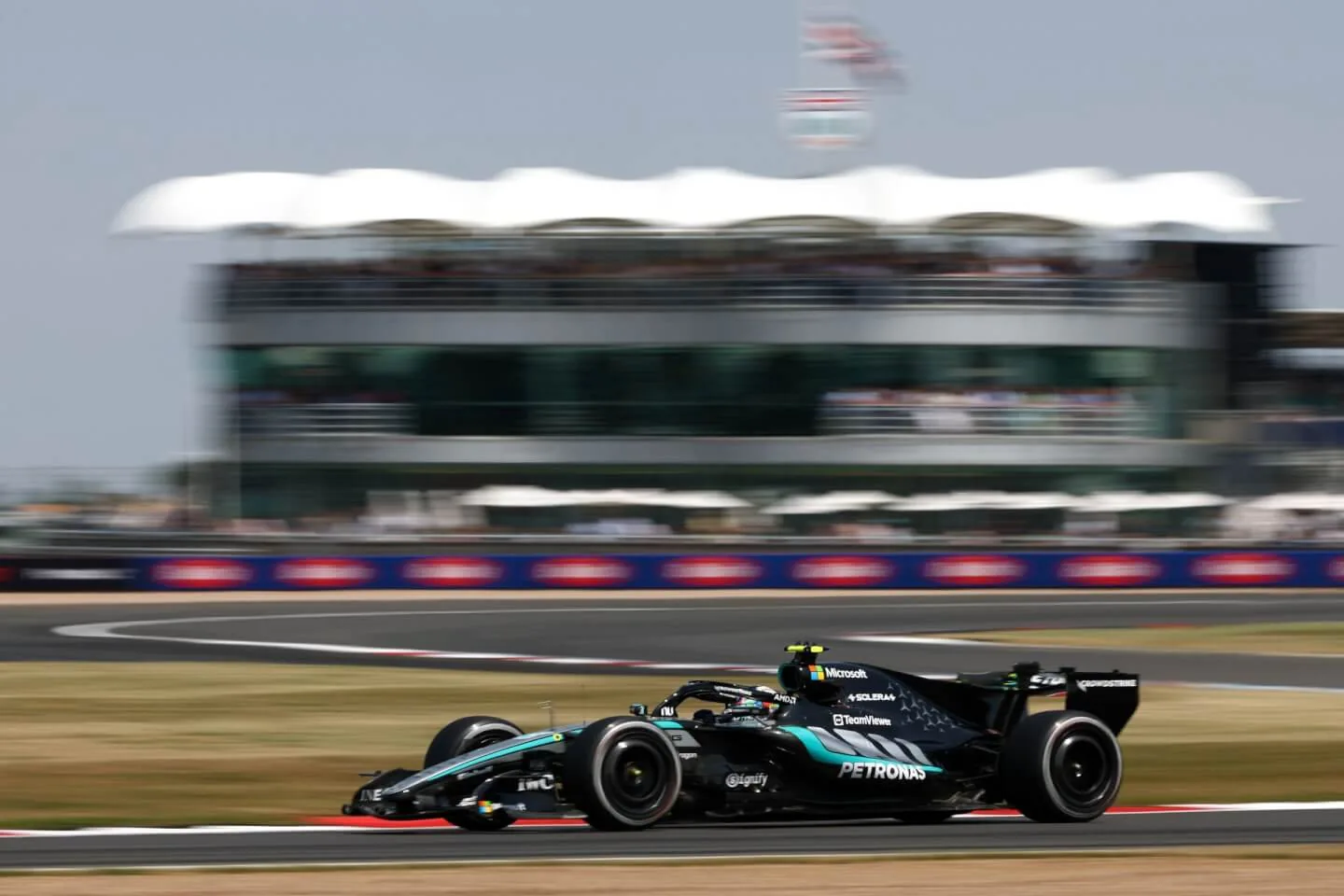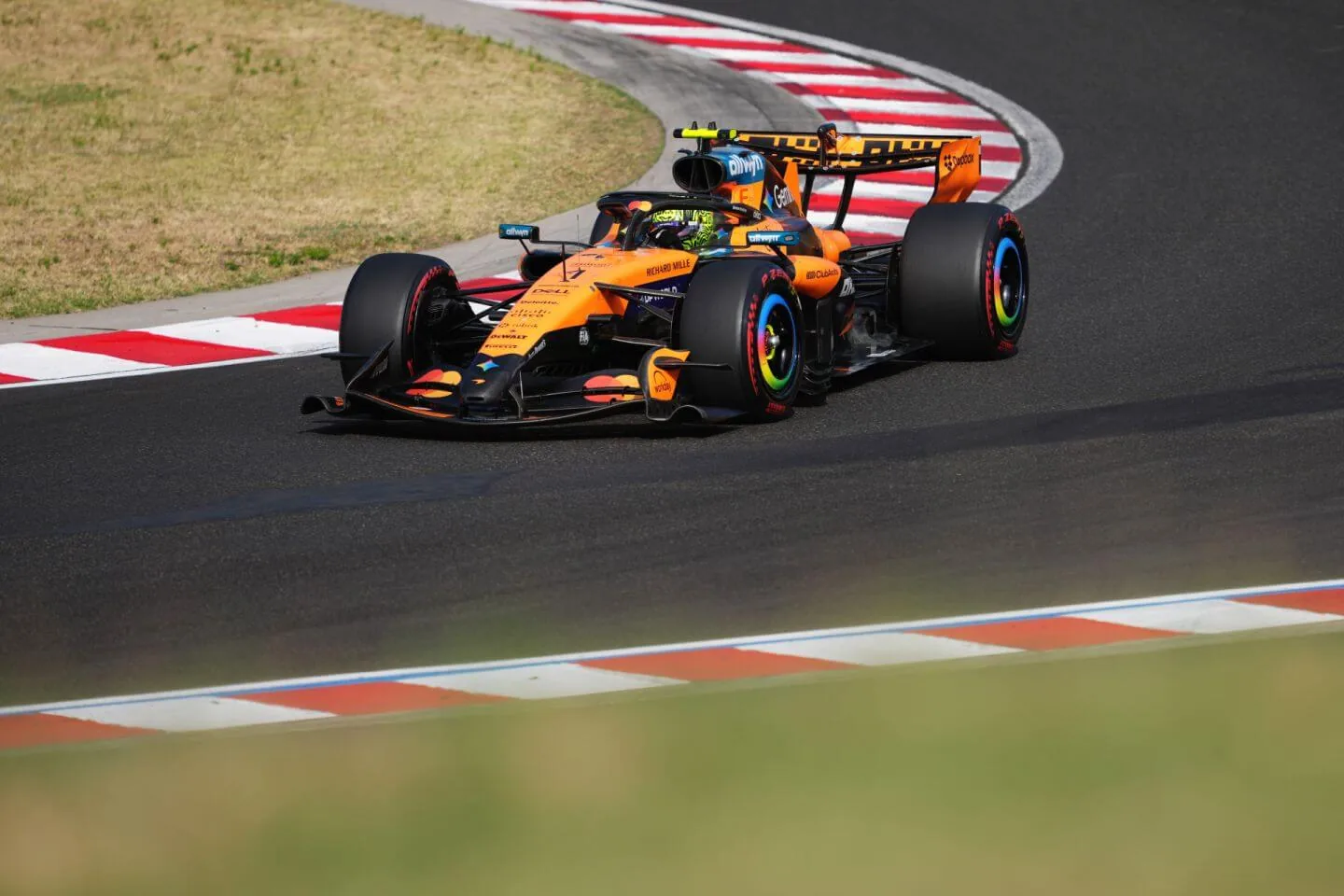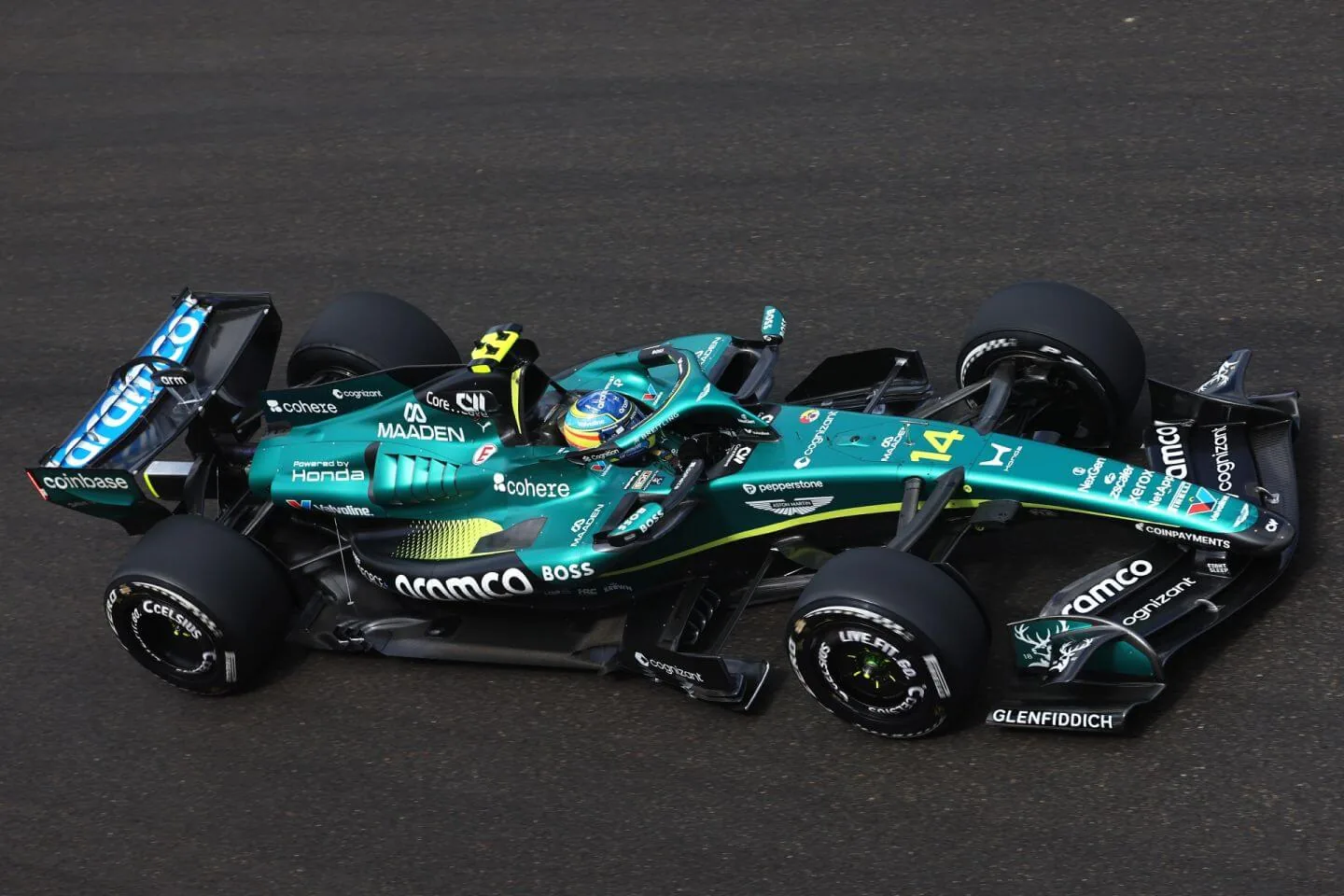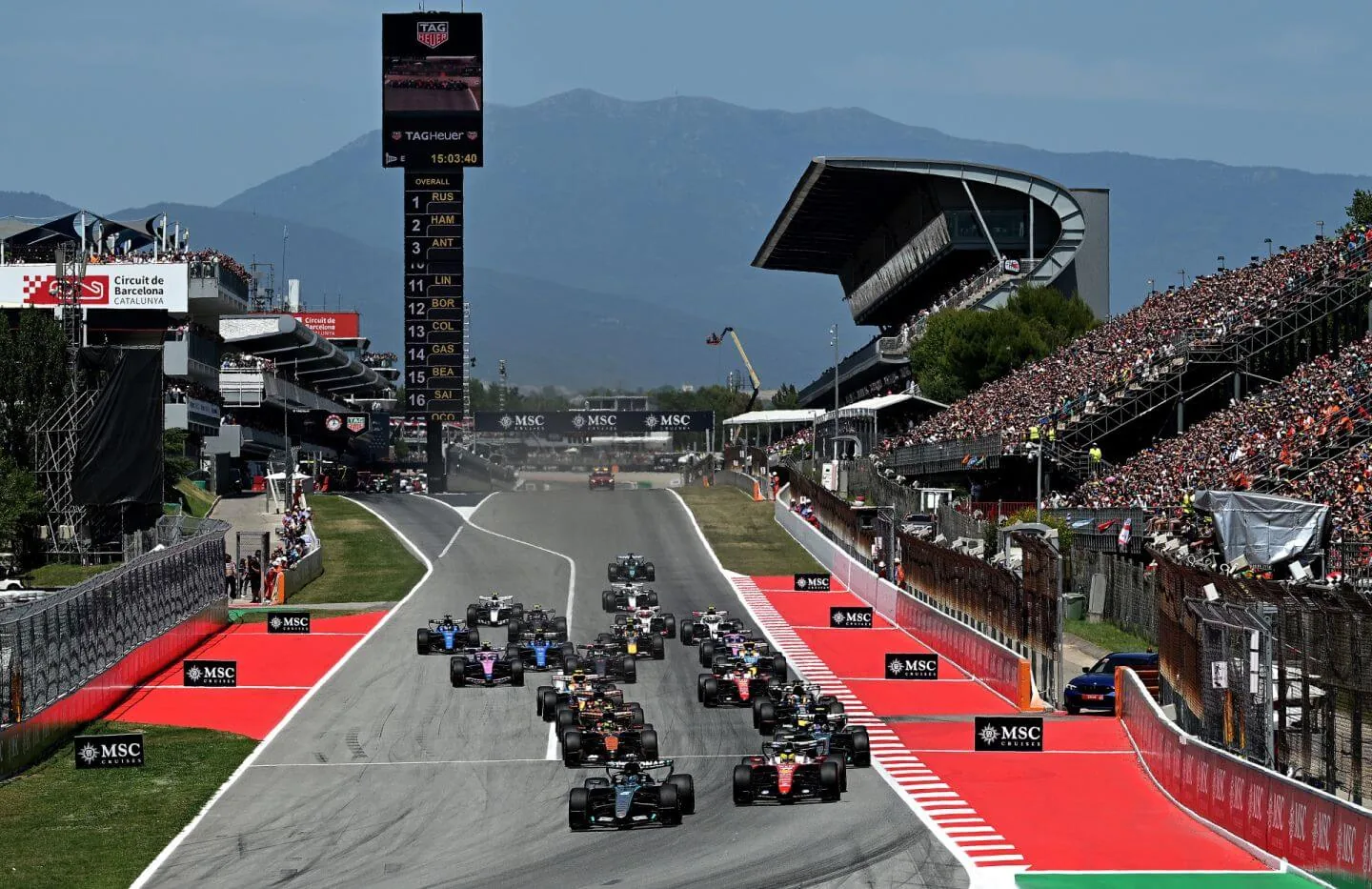




A number of regulatory changes concerning power units have been approved, which will be introduced to F1 from the 2026 Miami GP. These are not significant changes, rather cosmetic. Certain issues will even become more complicated. The changes will positively affect the course of qualifying.
Read more Kacper Sztuka remains in the Eurocup-3 series for 2026
After several preparatory meetings (also with the participation of drivers), a number of regulatory changes for Formula 1 were approved during yesterday’s meeting of representatives from FIA, Liberty Media, teams, and engine manufacturers. The FIA, in its press release, provided information on what was agreed upon. This information is reasonably detailed, but we will await the complete update of the regulations, which should happen within a few days. The decision-making process in F1 is as follows: the F1 Commission votes on changes. If a proposal passes the vote, it is then formally approved by the FIA World Motor Sport Council – this is merely a formality to incorporate the novelties into the regulations.
The changes approved during the April meeting will mostly be introduced immediately, i.e., from the 2026 Miami GP, while some of them will be tested in Miami and introduced a bit later. This means that during the vote, at least seven teams (or four engine manufacturers) plus the FIA and F1 had to support them. According to unofficial media reports, everyone supported them, and no one objected. If someone follows the political side of F1, they know that unanimity only occurs in minor matters or those that have been heavily negotiated and are a compromise, rather than a real modification of rules that impacts someone. An F1 team principal will not vote for a regulatory change that is to come into effect from the next race if that change affects the competitiveness of their car. Therefore, if anyone expected these rule modifications to have a real impact on the balance of power, I advise them to forget about it. There will certainly be some impact, but not very noticeable.
Below are the details outlined in the FIA communiqué, translated into Polish (and simultaneously simplified by me), with my additional commentary and further explanation under each section.
Overview of regulatory changes approved by the F1 Commission
Qualifying – performance improvement
– Modification of energy management parameters, including a reduction of the maximum allowed energy recovery limit from 8 MJ to 7 MJ per lap. This aims to limit excessive and deliberate energy recovery, encouraging classic continuous “throttle to the floor” driving. The change is intended to limit “super clipping” to 2-4 seconds per lap.
– Increase in energy recovery during “super clipping” from the current 250 kW to 350 kW, which further shortens battery charging time and reduces driver burden related to energy management. This change will also be applied in race conditions.
– The number of races where alternative, lower energy limits may apply has been increased from 8 to 12 races, allowing for better adaptation to track characteristics.
These three modifications will indeed result in less deliberate throttle lifting during qualifying, as well as less “super clipping” (where the driver has full throttle pressed, but part of the internal combustion engine does not power the car but charges the battery). All three changes have the same goal and are interconnected; their simultaneous introduction makes sense. In my opinion, on tracks with a lot of heavy braking, additional battery charging will no longer be needed at all, or it will be limited to literally one short section. The operation of F1 cars during qualifying will more closely resemble what we know from previous years. On tracks whose characteristics do not suit current cars (flowing layouts and little braking), such actions will remain, but there will be much less of them than in Australia and Suzuka. The visual and auditory impressions from qualifying were most criticized this year when drivers deliberately lifted the throttle to charge the battery. Limiting this practice was a priority and should largely succeed.
However, I see two negative consequences. Lap times in qualifying will drop slightly because drivers will have 1 MJ less electrical energy available per lap (this value will change). I remind you that drivers do not additionally charge batteries on straights or by lifting the throttle in fast corners “for ecology” but only for better lap times. The additional electrical power gained this way more than compensates on straight sections for the time lost on additional recovery. Reducing the available power by 1 MJ per lap means that drivers will have 4-5 seconds less full engine power available per lap, and top speeds will decrease. I am still wondering how this will affect speed maintenance, and whether it is true that the internal combustion engine alone will be able to maintain the speed to which the car accelerated with the help of the electric motor.
Race – increased safety and performance consistency
– The maximum power available through the Boost function in race conditions will now be limited to +150 kW (or the car’s current power level at the moment of activation, if higher), which will limit sudden performance differences.
– The maximum power of the MGU-K system remains unchanged at 350 kW in key acceleration zones (along their entire length, including overtaking zones), but will be limited to 250 kW in other parts of the lap.
– These changes aim to reduce excessive speed differences between cars, while maintaining overtaking opportunities and overall performance characteristics.
As announced, changes have been introduced to reduce the chances of crashes like the one Bearman had at the Japanese GP. I don’t know if this will succeed in that way, but the race regulations have become more complicated. In certain parts of the track, electric motors will have 350 kW (475 horsepower), and in others only 250 kW (340 horsepower) of electrical power. The FIA will decide on such zones.
Overall, the race modifications are cosmetic, incomparably smaller than those concerning qualifying. For this reason, team performance will differ more between qualifying and the race, as energy recovery will be more limited in time trials. Whoever handles this better will perform better in races than in qualifying. It’s no surprise that nothing significant was changed regarding races, as much more happened in the three races so far than a year ago, Formula 1 was satisfied with them, and the main problem was qualifying.
Race Starts – improved safety mechanisms
Changes concerning the start procedure will only be tested in Miami. They will come into effect later, possibly after further minor modifications.
– A new “low power start detection” system has been developed, capable of identifying cars with abnormally low acceleration shortly after clutch release.
– In such cases, the MGU-K system will automatically activate to ensure a minimum level of acceleration and minimize start-related risks, without providing any sporting advantage.
Read more Attendance at Formula 1 races in 2025
– A related visual warning system has been introduced, which activates flashing lights (rear and side) in faulty cars to warn drivers behind.
– An energy counter reset has also been introduced at the start of the formation lap to correct a previously identified system inconsistency.
These modifications are intended to increase safety and will limit very unsuccessful starts when drivers “are left on the starting grid.” This is, of course, a good move, as collisions are possible at such moments, especially on tighter tracks that are yet to come. I do not expect this to noticeably improve starts for selected teams.
Wet Conditions – improved safety and visibility
– The temperature in the tire blankets for intermediate tires has been increased in response to driver suggestions, to improve grip and performance of tires on wet surfaces.
– The maximum power of the ERS system will be limited, which will reduce torque and improve car control in low-grip conditions.
– Rear lights have been simplified, providing clearer and more consistent visual signals, which will improve visibility and reaction time for drivers behind in difficult conditions.
Further minor changes increasing safety during competition on a wet track will not have a significant impact.
How and if these regulatory changes will affect the balance of power?
In my opinion, the approved changes will not have a major impact on the prevailing balance of power in F1, but certain issues will affect selected engine manufacturers.
During pre-season tests, Honda had significant problems with energy recovery. Its MGU-K system recovered energy up to 250 kW, because above this limit, failures occurred. From the Miami GP, it will be possible to recover at 350 kW everywhere. Honda improved its engine performance during the March F1 events, but it is unknown if this also applies to this area. If they still recover at 250 kW, their losses to rivals will increase.
Teams using engines that are best at recovery will lose out due to the limited energy available in qualifying. As mentioned above, it is difficult to determine which engines these are, as we have too little data. On the other hand, less electrical energy will be available in qualifying, so over the course of a lap, the internal combustion engine will have a greater impact on pace. In my opinion, teams using Mercedes and Red Bull Ford engines will slightly benefit from this.
Limiting the available power in Boost mode may negatively affect overtaking opportunities.
In my opinion, the planned modifications to the start procedure will not take away Ferrari’s current advantage in this area. The modifications will affect situations where a driver has a very unsuccessful start, because the MGU-K system will then help them earlier, so they will not lose as many positions as in a similar situation at the beginning of the season.
A negative consequence of increasing “super clipping” from the current 250 kW to 350 kW will be a greater drop in speed. In the first three race weekends, especially on social media, there were many charts showing how F1 car speeds drop at the end of straights. Now this drop will be greater if someone uses “super clipping” to charge the battery.
I remind you of my article from a few days ago, where I extensively described four ideas on how to modify the current F1 engine regulations. Only one of them was used.
Summary
These are not radical changes that have seriously affected the new technical regulations. If someone dislikes the current regulations and was hoping for their change, they probably won’t even feel these modifications. There’s no surprise here, as it’s difficult to introduce radical changes after just three race weekends. I expect that the situation in F1 will continue to be monitored, and perhaps around the summer break, there will be some minor modifications if these don’t work. A chance for something bigger will only come in 2027, but only if the current regulations prove to be a flop, which I don’t think will happen. The situation and feelings related to the new engines (because the cars are fine) will change depending on the track characteristics. The next three tracks (Miami, Canada, and Monaco) will be more suitable for the new engines than Japan and Australia, but not as much as China. Later, there will be a decisive series of races in Barcelona, Austria, and Silverstone. There, any engine problems will be very visible.
For a better understanding of the prevailing F1 engine regulations, I recommend my article titled “Assumptions and mathematics behind current F1 engines“.
Read more George Russell – from zero to hero who still has to prove his worth