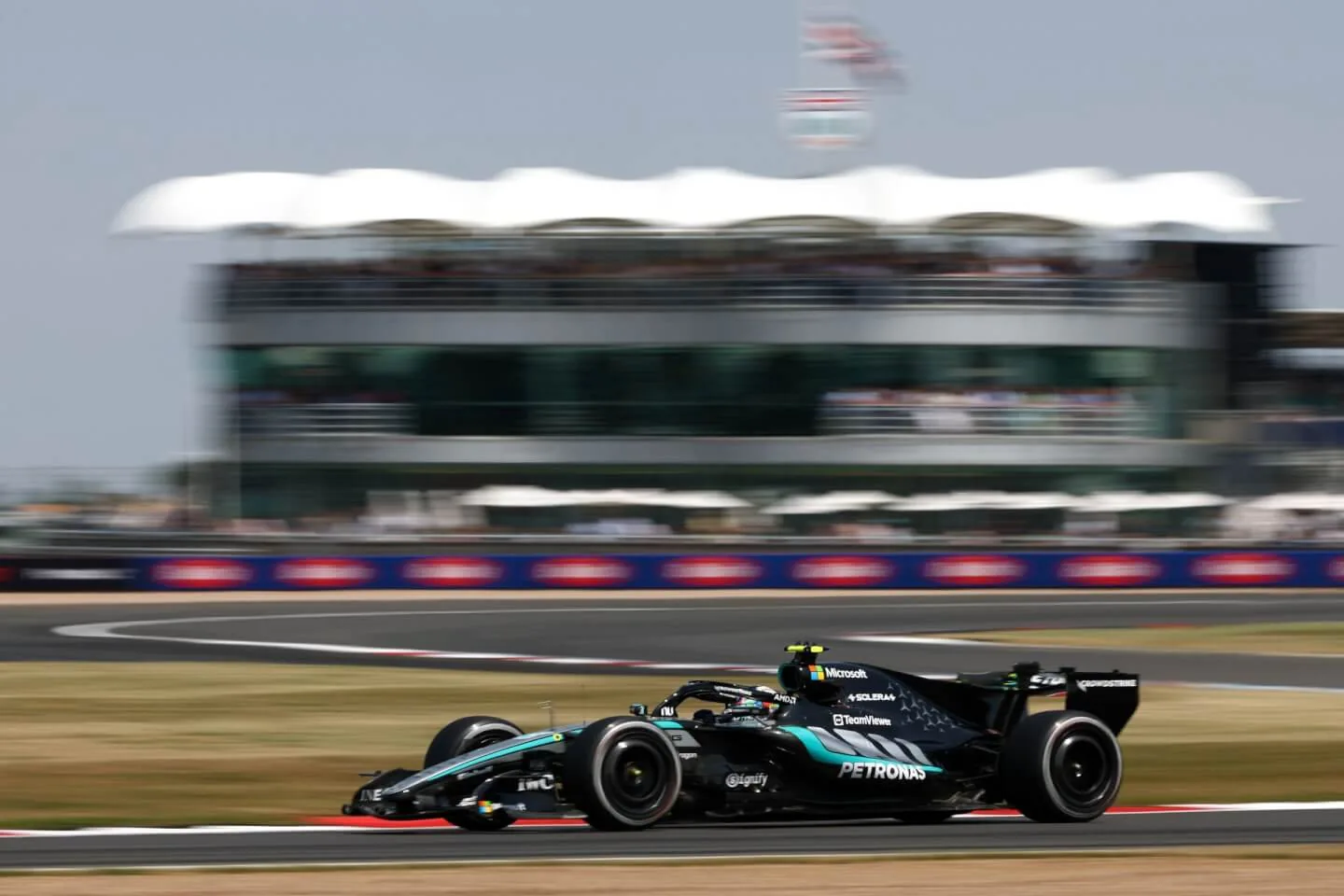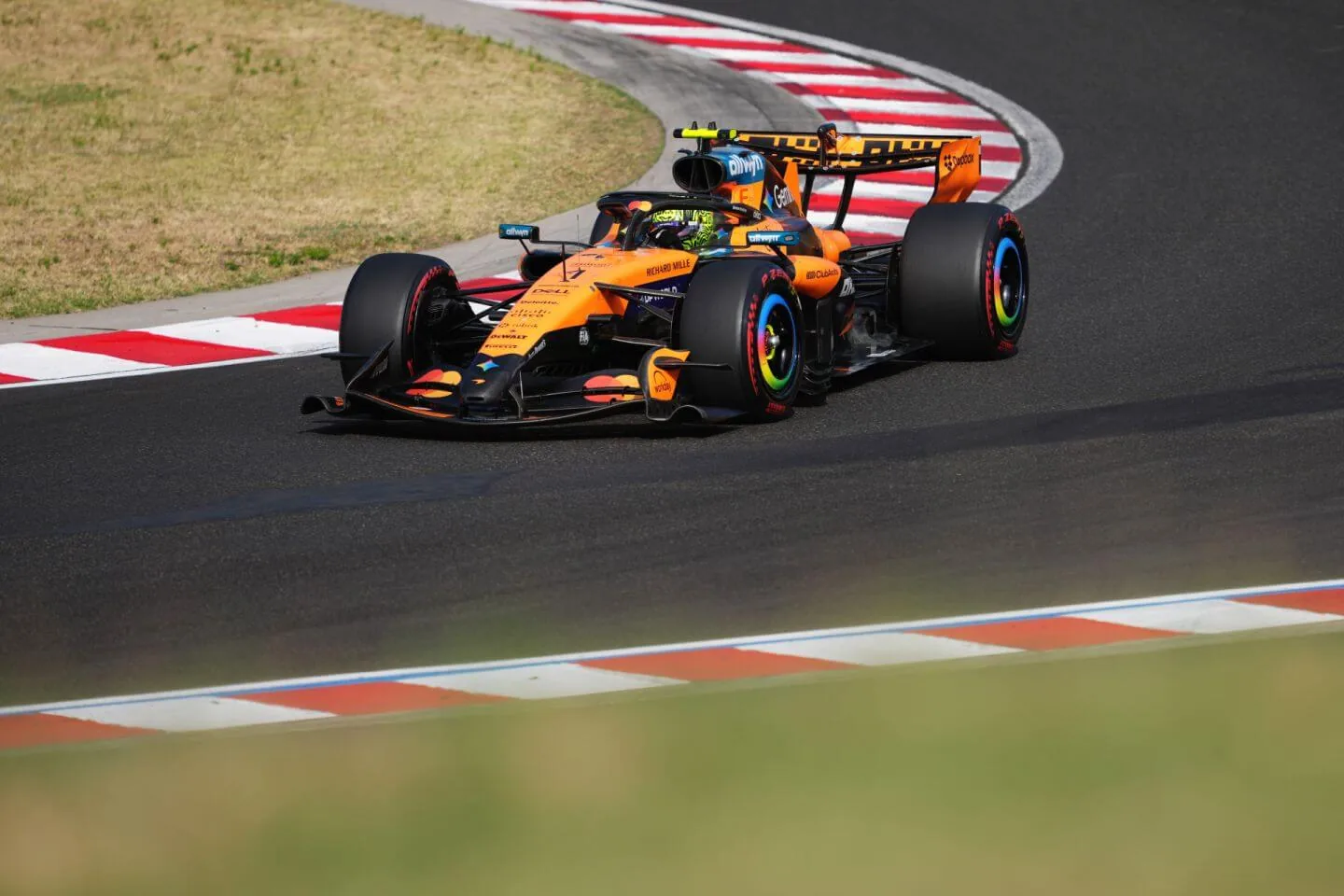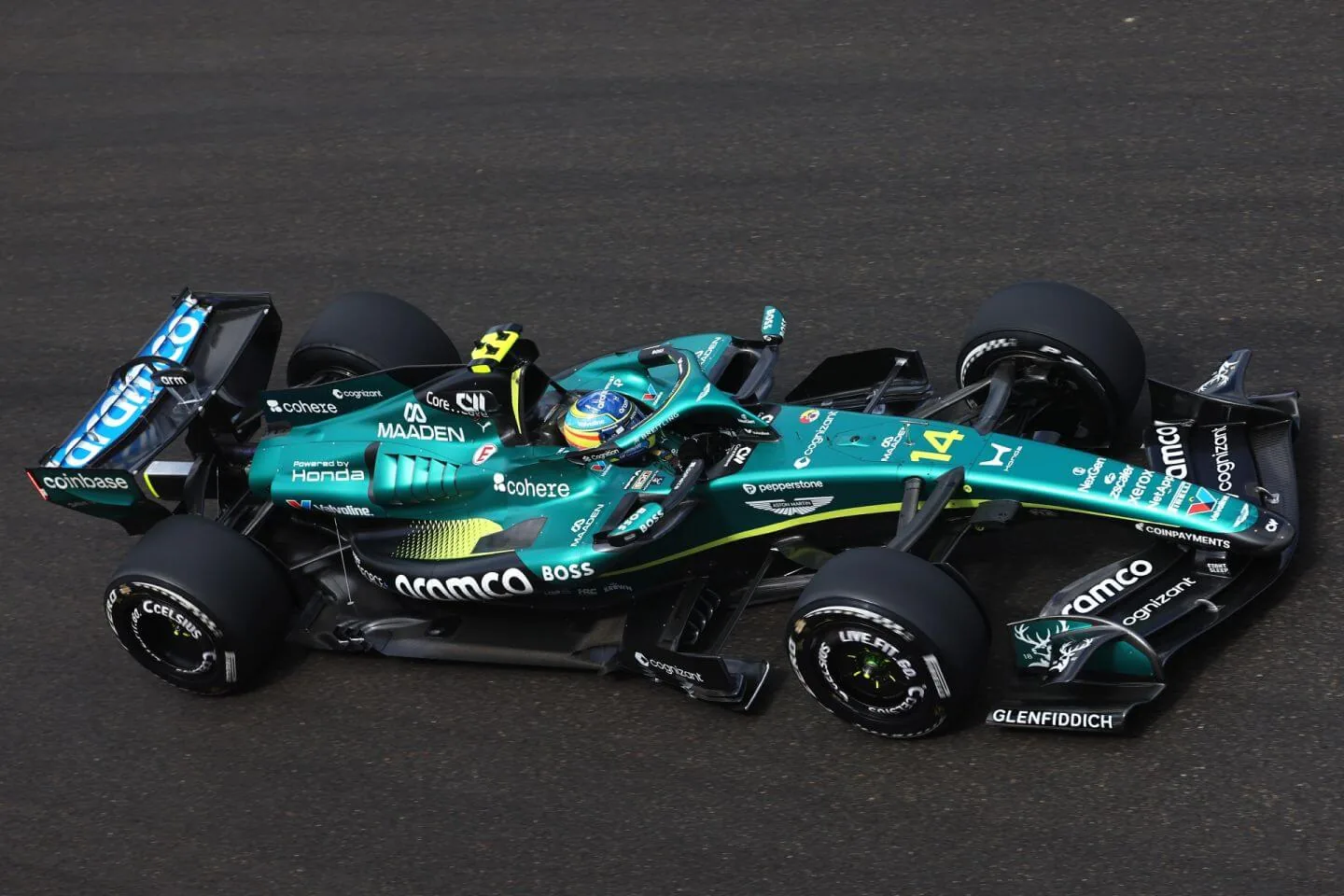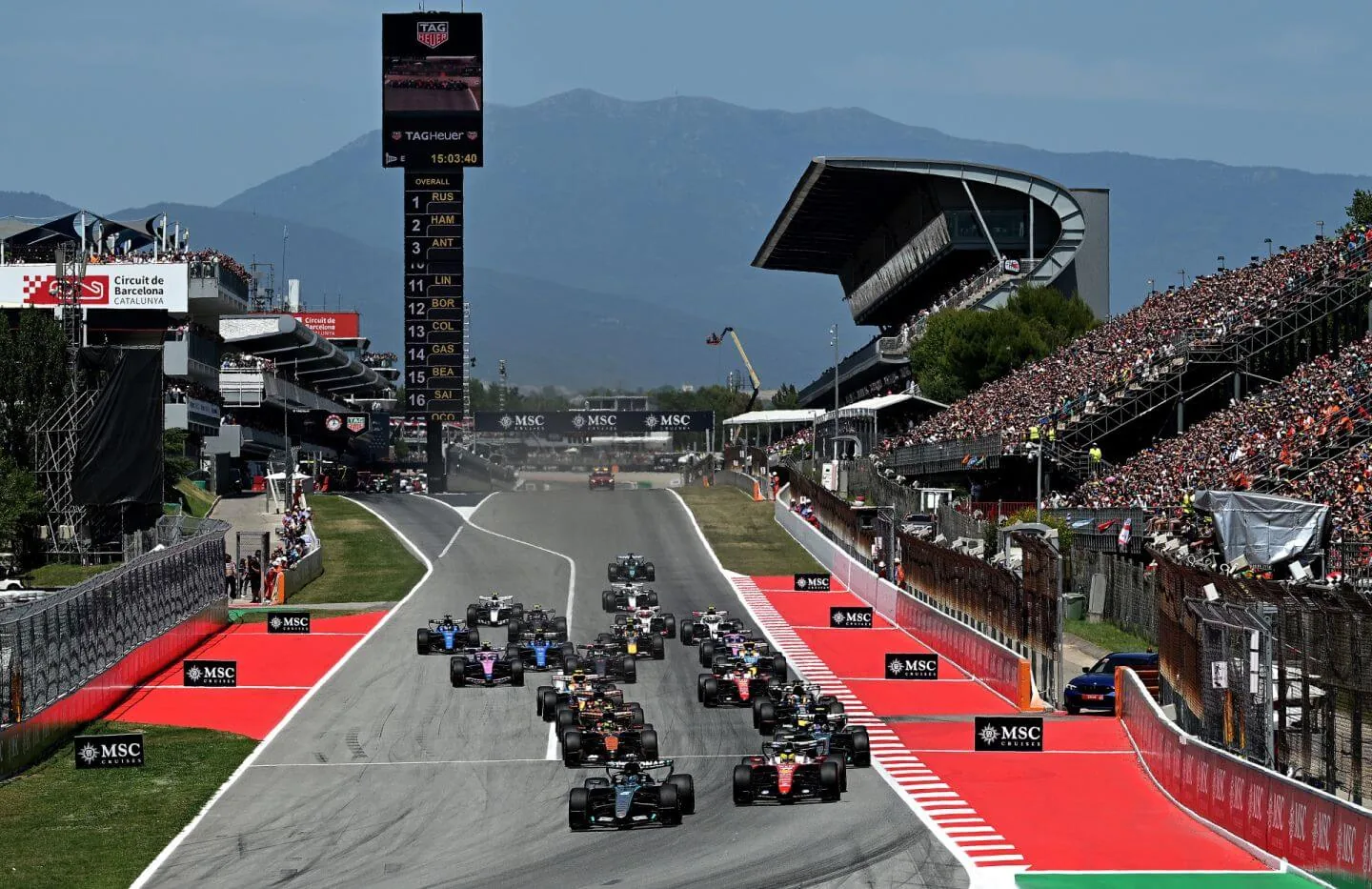




Power units in 2026 in F1 are causing a lot of controversy. In this article, I will discuss in detail several assumptions behind them; there will be many numbers to show well, for example, why energy runs out on the straights.
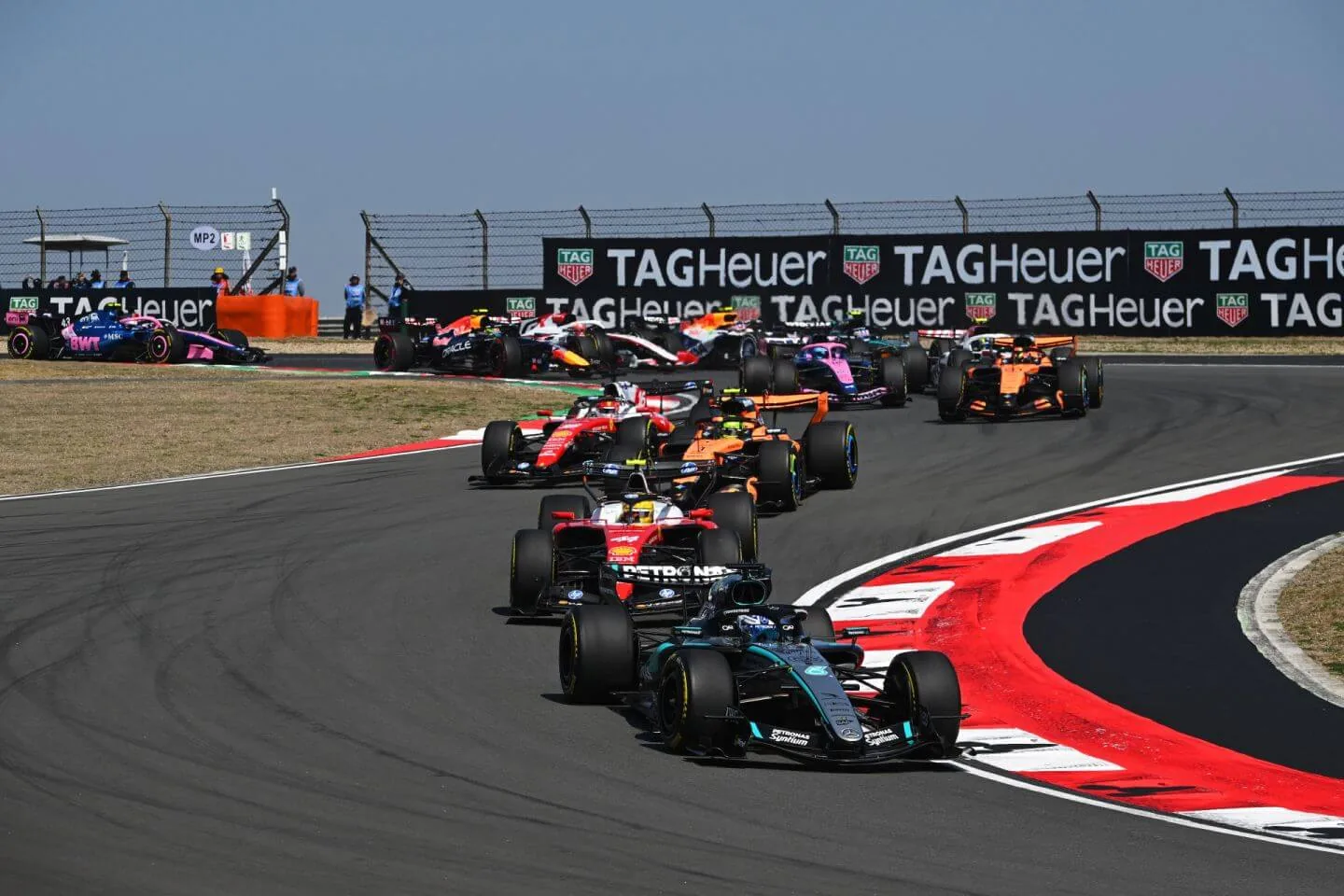
Three race weekends of the 2026 season are behind us. The main topic among fans, media, but also among drivers are opinions on the quality of racing provided by the new cars, and especially the power units. No one really criticizes the car design; it has met its objectives. The cars are smaller and lighter, allowing for more dynamic battles with rivals. In my opinion, the look of the new cars is better than in previous years. They also have significant potential for development, with visible innovations appearing. The main topic of controversy is the power units, because there are several serious problems with them. A few days after the publication of this article, a meeting of team bosses with the FIA and Liberty Media will take place regarding proposals to modify the engine regulations for this season and the following ones. There are several ideas, but I will deal with them in a separate article. Here I will describe several key assumptions of the current engines that cause problems.
General outline of engine regulations and the main underlying problem
In 2026, new power units debuted in F1. They are based on a V6 Turbo internal combustion engine that uses only sustainable fuels. Internal combustion engines generate 550-600 horsepower (specific numbers have not been given so far), which is significantly less than in the previous regulations (close to 850-900 horsepower) for several reasons. Besides many restrictions, the main reason is the limitation of fuel availability. In 2025, F1 cars burned 100-110 kg of fuel per race; from this year, it is 70-80 kg (the value depends on the energy density of the fuel used). Fuel flow has decreased, which from this year is not measured in kg/h but limited to 3000MJ/h (to be able to compare fuels of different quality), so it is difficult to compare directly.
This year’s power units generate a total of over 1000 horsepower of maximum power, because 475 horsepower (350 KW) comes from the MGU-K electric system, which recovers energy during braking, but also during driving from the internal combustion engine. Maximum electric power is limited, as is the amount of electric energy that can be recovered on a given lap (the FIA sets the limit depending on the track).
The regulations were promoted for a long time by the FIA, Liberty Media, and engine manufacturers as 50/50, meaning 50% of the power comes from the internal combustion engine and 50% from the electric one. This is a marketing term that gave rise to the main problems associated with this year’s engines. In reality, the power ratio looks more like 55/45 in favor of the internal combustion engine, but it is still referred to as 50/50. This is the main problem because the performance of the electric component is too dependent on the track configuration.
The battery is charged during braking, as well as during driving in slow and medium corners when full power from the internal combustion engine is not used, and the rest is used for charging. Therefore, on tracks that have the right configuration (e.g., China, Bahrain), there is no shortage of electric energy; drivers have plenty at their disposal and do not have to artificially charge it, e.g., by deliberately lifting off the throttle in corners. On tracks that have few heavy braking zones and slow corners (e.g., Australia and Japan), a problem arises because energy is lacking, and drivers are forced to recover it additionally, which significantly worsens the experience for viewers, but also for the drivers themselves. Of course, they could choose not to do so and drive through corners at maximum speed, but then lap times would be worse – this is a paradox of current F1.
In the years 2014 – 2025, a lot of electric energy was used over the distance of one lap (probably not much less than now, but maximum power was limited to 161 horsepower); it also ran out on full lengths of straights (especially at the beginning of the regulations), but then there was the MGU-H system, which recovered heat energy while driving. Previous engines were not as dependent on track configuration as they are now. The MGU-H system is not in the new regulations because it is expensive and very complicated. If it had remained, no new manufacturer would have entered F1, because no one would have been able to match those who were already in F1. Its elimination was a condition set by Audi and Porsche, who wanted to join F1. Porsche withdrew despite this, but the reasons there were different.
4MJ capacity batteries – a natural limitation of power availability
Power units in F1 use batteries with a capacity of 4MJ. This size was set to limit the weight of the entire power unit and to limit costs. Current technology would allow for batteries with a larger capacity, but that would mean higher costs and would not necessarily be needed. The assumption of the current regulations is that engines regularly recover and deploy power to the drive, so a large battery is unnecessary because there is nothing to store. This makes sense but also creates one problem. On tracks where there are long sections driven at full throttle, i.e., straights over 1 km long, electric power will run out at the end. We will have extreme situations this year on tracks in Belgium, Azerbaijan, and Las Vegas, where you drive nearly 2 km at full throttle. According to current regulations, cars will reach about 340-350 km/h in the middle of such straights (significantly more than last year in the same places), and then the speed will gradually drop (at the end it will be clearly lower than in 2025). Current regulations work perfectly when the car has to cover a maximum of about 1 km at full throttle.
Current power units can deploy 350 KW of energy to the drive, which is 475 horsepower. With a full battery (4 MJ), when driving at full power, it is enough for about 11.5 seconds. In reality, it is 2-3 seconds more because the regulations assume a gradual limitation of available electric energy once the car exceeds 290 km/h. When the speed reaches 345 km/h, electric power can no longer be used. This is done for a specific purpose – to limit top speeds. New cars accelerate very quickly and without such a limitation would be able to drive 370-380 km/h, and then accidents would be very dangerous. Besides, there is an overtake mode in which full electric energy is available up to 335 km/h and is cut off at 355 km/h.
This year, if an F1 car starts to slow down at high speed at the end of a straight, there are three possibilities:
– It has exhausted the battery,
– It has reached a high top speed and, according to the regulations, the engine gradually has less and less electric power,
– The driver is deliberately lifting off the throttle wanting to charge the battery for the needs of the next straight.
At the Suzuka track, it looked very bad when cars slowed down and went through the 130R corner ‘slowly’, and their speed kept dropping until the chicane. The broadcaster deliberately cut the footage because, incidentally, the sound produced by the cars was worse. It had to be this way, and it was not a surprise for two key reasons. Firstly, the cars used active aerodynamics on the straight before this corner, but in the corner, they had to close the wings. Only this meant a drop in speed of about 30 km/h. At the measurement point before the 130R corner, the 2026 cars were about 30-35 km/h faster than a year earlier, and roughly at this point, they ran out of battery power. More drag from closing the wings + end of battery = speed drop before the chicane by 50-60 km/h.
In the previous regulations (2014 – 2025 seasons), the battery also had a 4 MJ capacity, but then there was a significant difference because the MGU-H system could transfer energy in real-time to the MGU-K, which went to the drive bypassing the battery. In the previous regulations, a maximum of 4 MJ of energy from the battery could be used on one lap plus an unlimited amount from the MGU-H, which also powered the turbocharger to an unlimited extent. Electric energy consumption was very high, but maximum power had different proportions, roughly 85/15 in favor of the internal combustion engine.
Different energy recovery limits
As I mentioned above, before each race weekend, the FIA determines how much electric energy can be recovered on one lap. The minimum is 5 MJ, and the maximum (including overtake mode) is 9 MJ. These assumptions are fully justified because on a track that has a short layout and few places where energy can be well recovered, the limits will be low. On tracks that have long layouts and many heavy braking zones, they will be maximum. This also has disadvantages. In Japan, a last-minute decision was made to reduce the recovery possibility from 9 MJ to 8 MJ per lap. Thanks to this, drivers had to fiddle less with lifting off the throttle in corners or at the ends of straights while driving. On the other hand, over the lap distance (assuming they recovered the regulatory maximum), they had 1 MJ less energy at their disposal, so it ran out faster on the straights. It is extremely difficult to choose optimal values depending on the track, and also because engines handle energy recovery differently. I saw comments during the weekend in Japan regarding one of the factory Mercedes drivers who lost time in qualifying coming out of the final chicane because he had previously recovered the amount of energy allowed by the regulations. Braking into the final chicane provides a lot of energy, and he could no longer use part or all of it. This means he could have easily recovered 9 MJ, or even more, if not for the regulatory restriction.
Theoretical demand for electric energy
If a full battery is enough, after taking into account the regulatory limitation after exceeding 290 km/h, for 13-14 seconds, we see the main problem with this year’s engine regulations here. Assuming that on a given track the regulatory maximum (9 MJ) can be recovered, such an amount of energy is enough for about 30 seconds – I am deliberately overstating slightly to make it easier to calculate. A lap of a typical F1 track is completed in 90 seconds. Depending on the track layout, you drive with the throttle to the floor for 50 to 80% of the lap distance, i.e., 45 to 70 seconds. It is clearly visible that electric energy is not enough for the entire distance. The more a track has a flowing layout, with many straights or fast corners, the worse it is for this year’s cars. Software decides where to use the available energy so that it is optimal for lap time. Its refinement is key to achieving good lap times; let’s expect significant development in this field this year, without physical changes to the engines.
It is worth adding that the regulations limit the amount of energy recovered on one lap, not the energy used. In the race, this doesn’t matter, but in qualifying, it matters a lot. Drivers can theoretically start a lap with a full battery – 4 MJ, and then recover the regulatory 9 MJ over the distance and use a total of 13 MJ. Much depends here on the track layout, whether this is possible.
Summary and my comment
The assumptions set for these power units were very