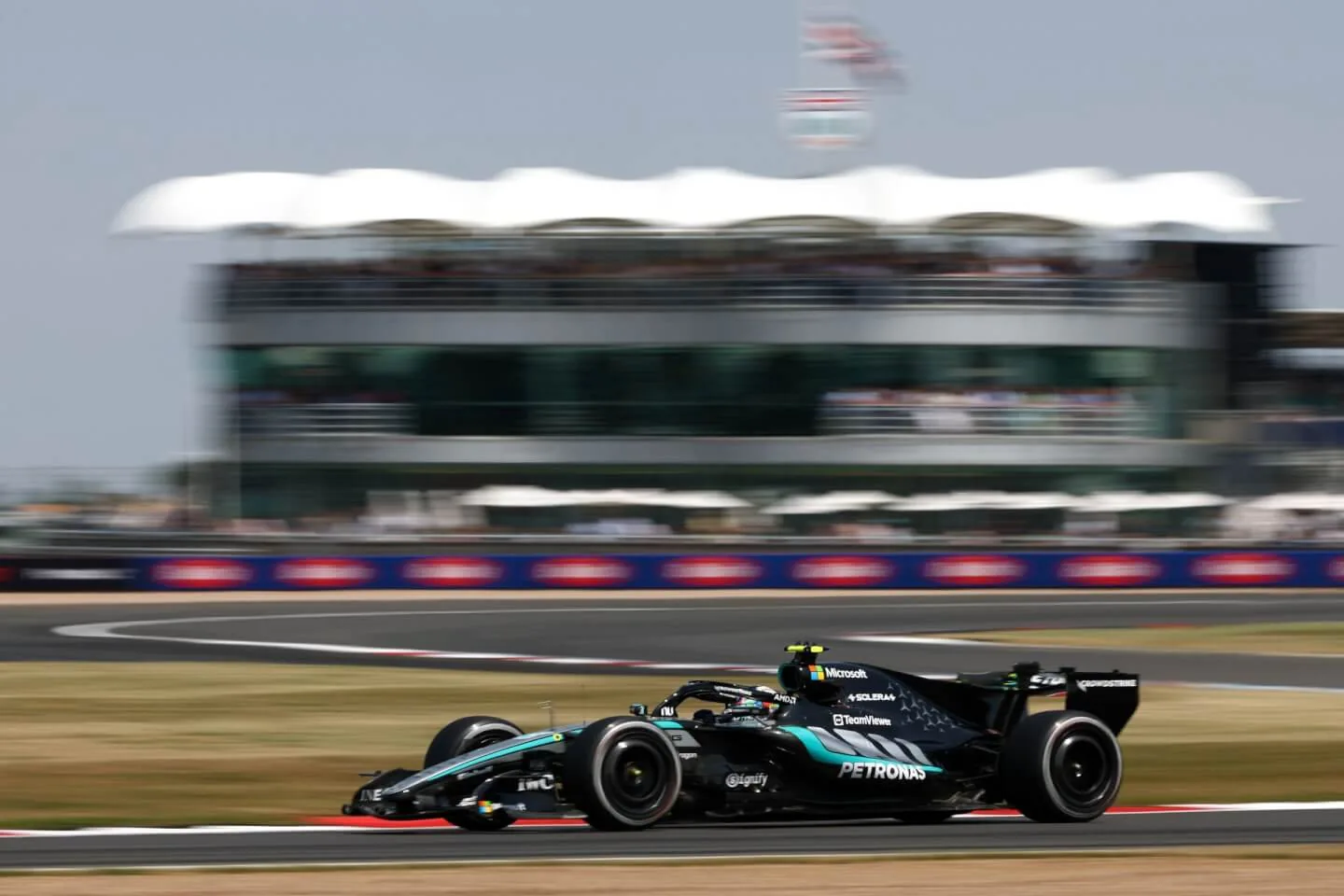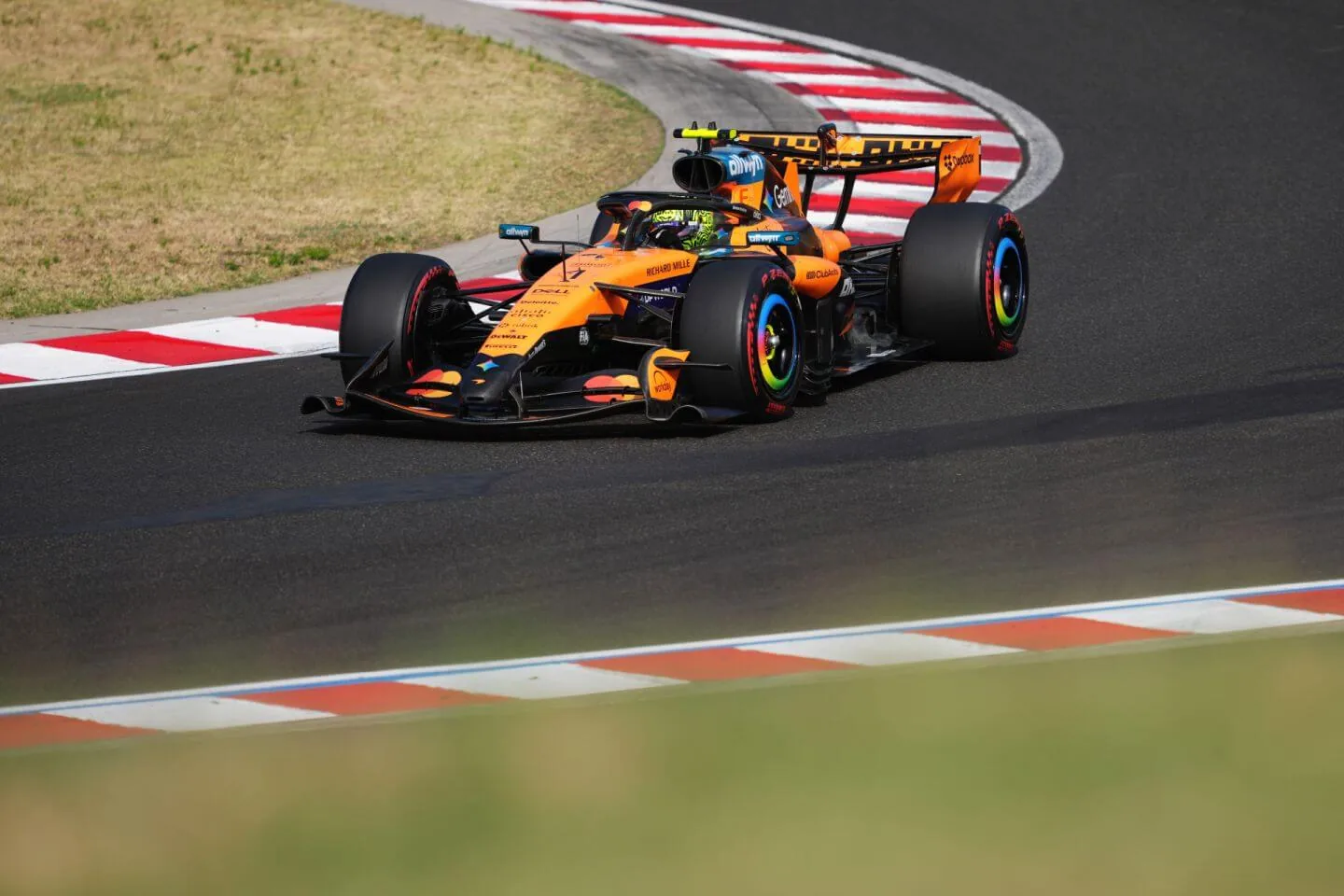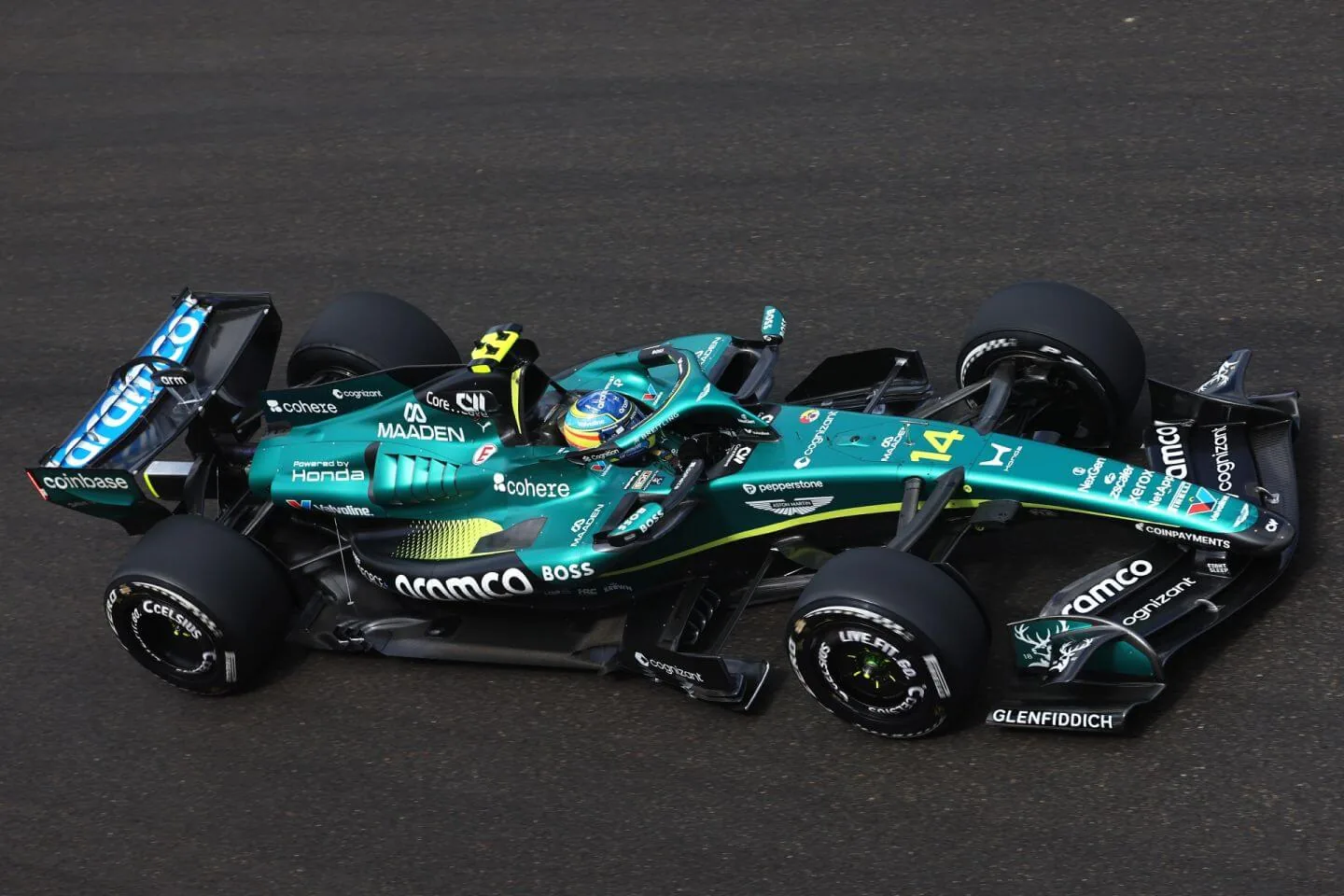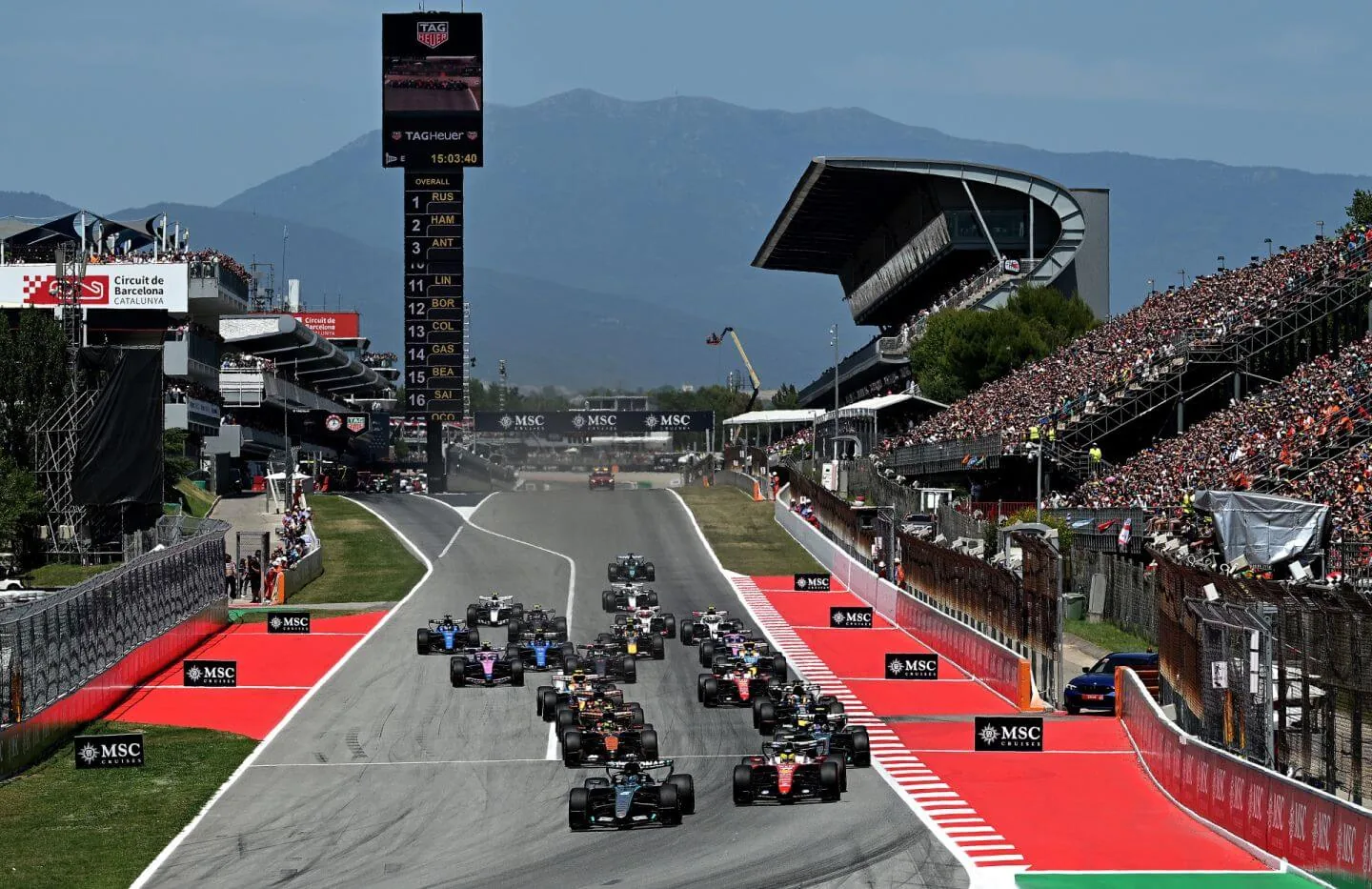




Very important regulatory changes have been approved that will change the power ratio between the internal combustion engine and the electric motor from the current 55/45 to 60/40 starting from the 2027 season. The decision has already been voted on and will soon be officially approved by the FIA. This will solve most of the remaining problems with the current engines in F1.
We are probably at the finish line of the discussions regarding power units in F1. From the beginning, it was known that the regulations prepared for the 2026 season were very ambitious, and when the cars hit the track, it turned out that in some areas they were too ambitious. This mainly concerned qualifying sessions, and the main problem was the assumed power ratio between the internal combustion engine and the electric MGU-K components. The F1 Commission approved several minor regulatory modifications that came into effect from the Miami GP, the fourth weekend of the 2026 season – detailed discussion. They fulfilled their task, the situation in qualifying improved significantly, and there were no negative effects in the races. However, these modifications were cosmetic because it is not possible to introduce changes in engine design during this season. As I mentioned in April on the blog in my very extensive article titled “Assumptions and mathematics behind the current F1 engines”, the problem is the assumed marketing power split ratio of 50/50, which blocks many issues related to how engines are currently used in F1. Discussions on this matter have been ongoing in recent weeks, and a logical modification has been approved.
Change in F1 engine power ratio from 2027 to 60/40
The FIA in a short statement announced that modifications concerning power units for the 2027 season have been approved. The regulations were approved in a vote by team principals, engine manufacturers’ representatives, the FIA, and Liberty Media. The plan is to increase the power of internal combustion engines by about 50 kW by increasing fuel flow. At the same time, the maximum electric power will be limited by 50 kW. Specific regulatory provisions will be developed soon during technical expert meetings and then approved by the FIA World Motor Sport Council and incorporated into the regulations. This is not stated in the statement, but according to earlier information, the specific provisions must be known by the end of June at the latest so that teams can consider this in their car designs, and engine manufacturers have enough time to modify their next year’s designs.
At the same time, it was reported that the changes introduced in Miami proved successful, the situation will be monitored, and minor changes regarding the starting procedure and driving on a wet track are still possible during this season. This was something that was only tested in Miami.
Marketing and actual power ratios of F1 engines in 2026 and changes from 2027
The matter requires mathematical explanation. Since the approval of the engine regulations for the 2026 season, they have been marketed as having a power ratio between the internal combustion engine and the electric motor of 50/50. From the beginning, it was known that this was mainly a marketing action because the internal combustion engine would be stronger than the electric components. For the FIA and engine manufacturers, this was important for promotion, so the 50/50 split is still talked about. The F1 regulations limit the maximum electric power to 350 kW (475 horsepower), but the maximum power of the internal combustion engine is not limited. Initially, it was expected that the real ratio would be 53/47 in favor of the internal combustion engine, but for the most powerful power units in the 2026 season, it is 55/45. It is estimated that the Mercedes internal combustion engine has 585 horsepower (430 kW) this year, and the Red Bull Ford engine is only slightly weaker. Of course, in Honda’s case, the ratio is more balanced and closer to 50/50.
Below are some calculations to illustrate this well; I made slight rounding.
Real power split ratio of power units in 2026 using Mercedes as an example
Internal combustion engine: 430 kW = 585 horsepower
MGU-K: 350 kW = 475 horsepower
Total maximum power of the entire power unit: 780 kW = 1060 horsepower
The ratio is 55/45 in favor of the internal combustion engine
Change in power split ratio of power units from 2027
Internal combustion engine: 480 kW = 652 horsepower
MGU-K: 300 kW = 408 horsepower
Total maximum power of the entire power unit: 780 kW = 1060 horsepower
The ratio will be 61.5% / 38.5% in favor of the internal combustion engine. In case of further improvement of the internal combustion engine (which is very likely), the real ratio will be 62/38.
Some conclusions and my commentary
These two minor regulatory modifications should solve practically all the issues that drivers or fans dislike about the current engines. We do not know exactly how this will be done, so at this point, it is largely theoretical. However, several specific changes are already visible. Limiting the maximum electric power will make it last longer, i.e., the car will have full power available for a few seconds longer on each lap. The drop in top speed at the end of long straights will be significantly reduced from 2027. A stronger internal combustion engine will mean the car will be less dependent on electric power, so its absence after battery depletion will be less noticeable. At the same time, this will improve car performance, and lap times will be better. Ratios around 60/40 are, in my opinion, optimal for the current power units – realistically, it will probably be 62/38.
F1 teams will have to incorporate larger fuel tanks in their 2027 car designs because fuel consumption in races will increase by a few kilograms. That is why the decision had to be made so far in advance, as it affects monocoque construction. Engine manufacturers will have to modify their internal combustion engines because they are currently optimized for lower fuel flow. This will have a significant impact on their operation and functioning and will also allow for broader modifications. The F1 regulations are very restrictive regarding engine development with one exception: in case of regulation changes, required components can be modified. This is an opportunity for all manufacturers to improve their engines for the 2027 season. We can expect manufacturers to gain more power than just from increased fuel availability.
This is only theory, but hypothetically, the strongest current engines will benefit from increased fuel flow. Why? Additional fuel should theoretically proportionally increase the power of internal combustion engines. So if currently, for example, Mercedes gets the most power from a given fuel dose, when this dose is increased by, say, 10%, the power of its internal combustion engine will be 10% higher. Weaker manufacturers will also gain 10%, but from smaller values, so performance differences may be greater. We are talking about single horsepower here.
All engine manufacturers will now be busy with modifications for the 2027 season. Therefore, in my opinion, there is no chance of introducing completely new engines (there is talk of V8s) earlier, i.e., in 2030. The earliest possible date is 2031. If the modifications for the 2027 season are successful, the desire to change the engine format will significantly decrease.